
Disclaimer: Any views expressed by individuals and organisations are their own and do not in any way represent the views of The Heritage Portal. If you find any mistakes or historical inaccuracies, please contact the editor.
This article deviates from my primary focus on South African photographic heritage in that the photographs presented here were all captured during 2025; yet the underlying theme, in my view, remains heritage-related.
Our country is scattered with abandoned and dysfunctional historical relics such as pre-1970s picnic spots, windmills, farm labour housing, farm stalls, cattle kraals, cement or corrugated iron dams and more. We take these for granted and hardly register their uniqueness as we rush to our destinations.
In conjunction with some philosophical text, this article contains abstract photographs captured whilst touring parts of South Africa on a motorbike – abstract photographs of domestic, farm, or pedestrian gates that lead to nowhere – gates of yore – gates that have fallen into disuse, yet, even in their decay, they hold a certain dignity.
My motorbiking friends got used to the fact that they would lose me somewhere on our journey, as I had spotted another gate of yore that had to be photographed, and that I would eventually catch up with them again.

A beautifully constructed pedestrian gate in disuse, just outside the village of Magaliesburg on the West Rand in Gauteng
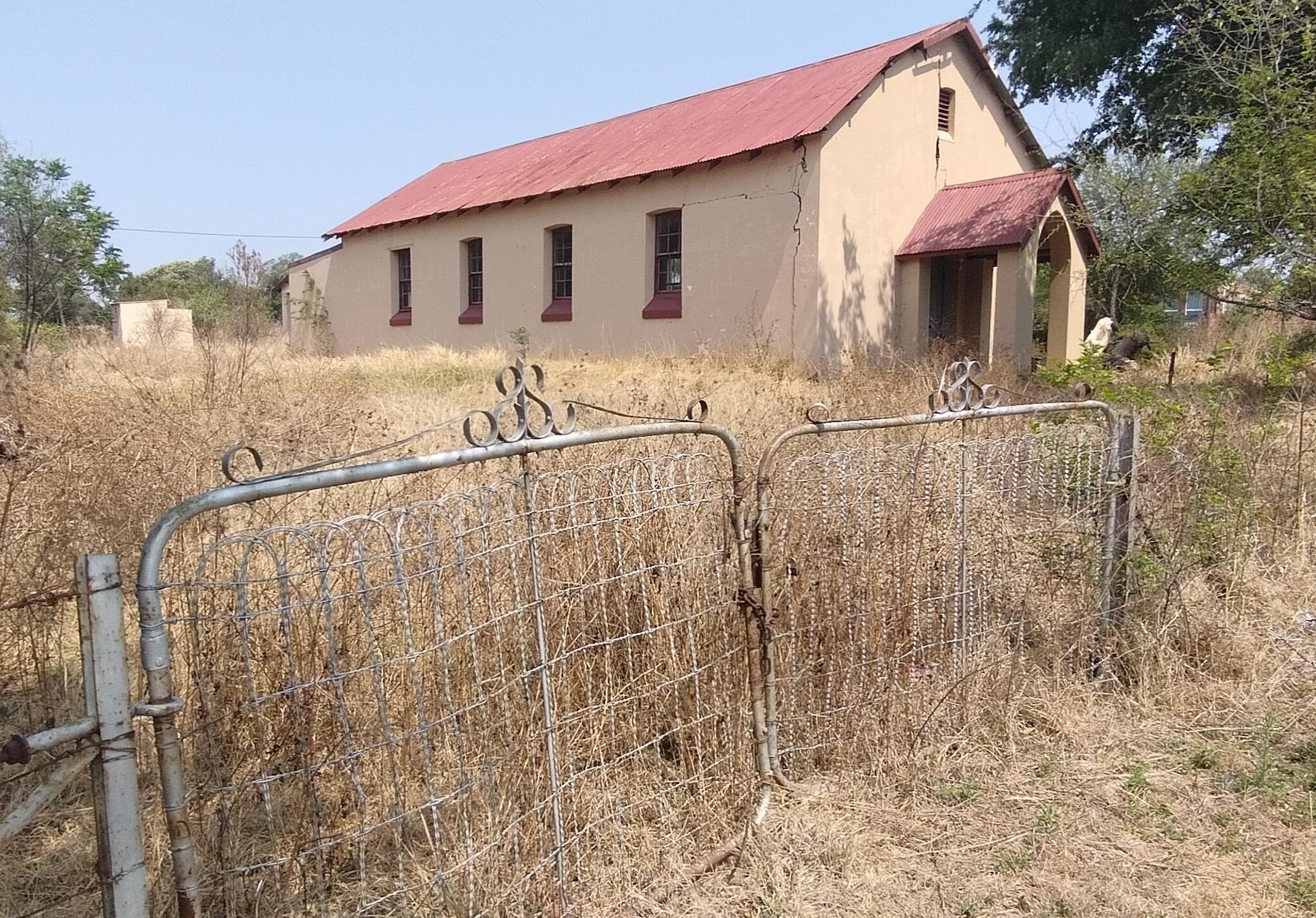
Historical village Ottoshoop – North-West Province. Not only has the church fallen into disuse but so has the steel-framed entrance gate to the property

Totally overgrown – a vehicle entrance between Magaliesburg and Rustenburg. In the South African context, surprisingly the steel gates have not been removed for recycling.
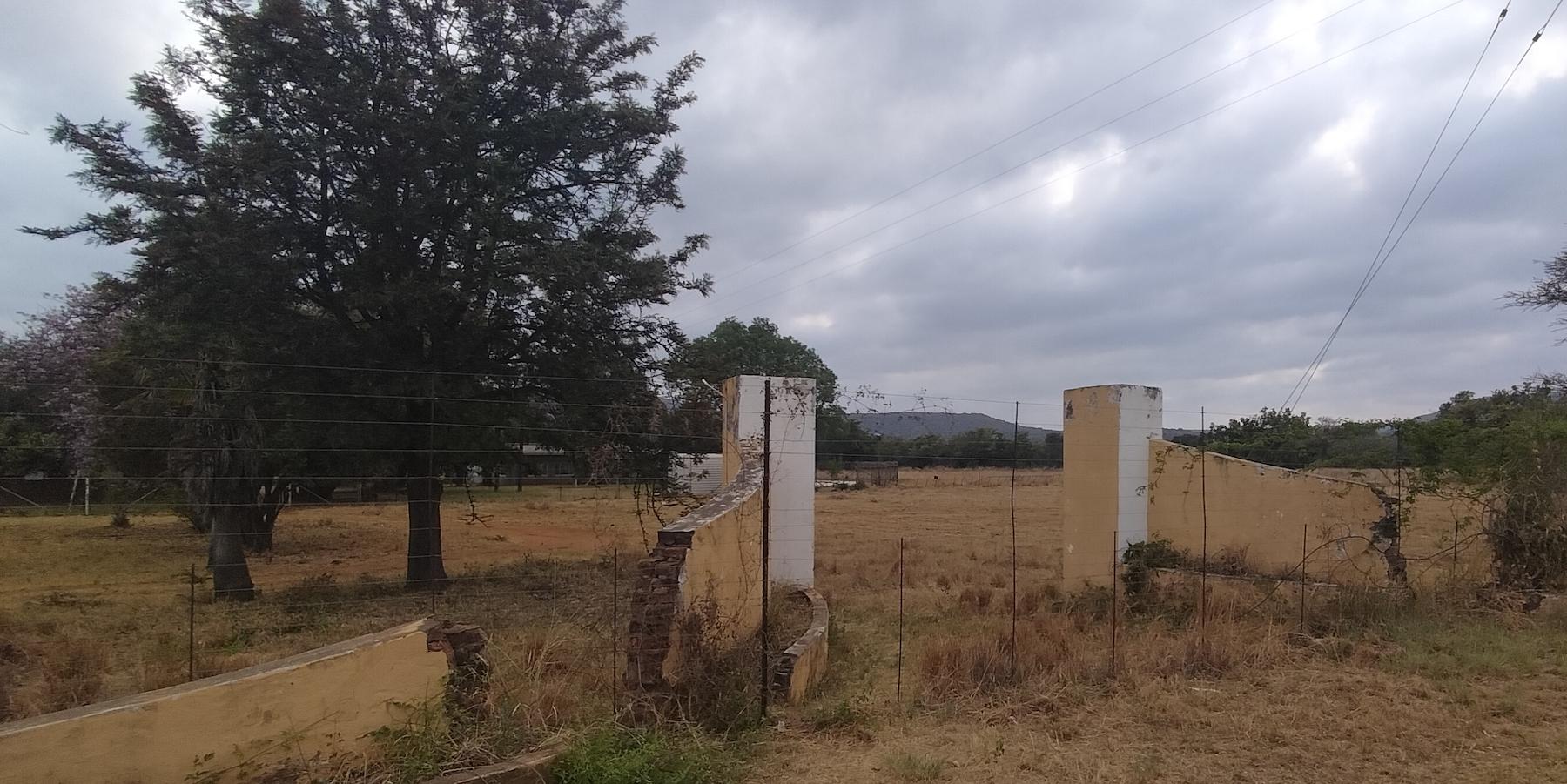
A plastered brick-and-mortar fence of yore providing access to a plot or farm - on the road between Rustenburg and Zeerust
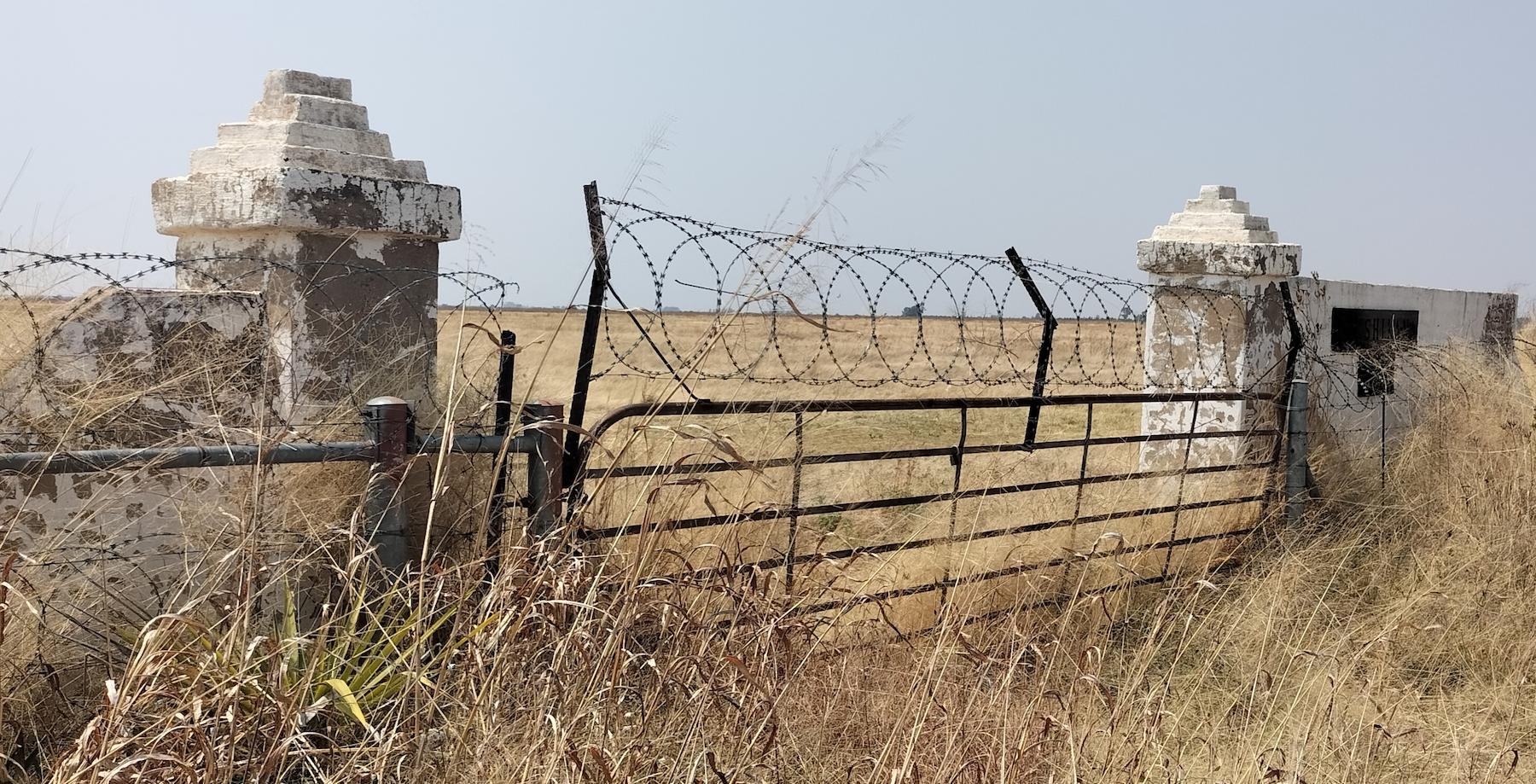
North-West Province on the R503. Although the entrance to the farm seems fenced, this is the only evidence left that the property was once fenced. A gravel road providing access to the end destination runs to the right of this once proud access point.
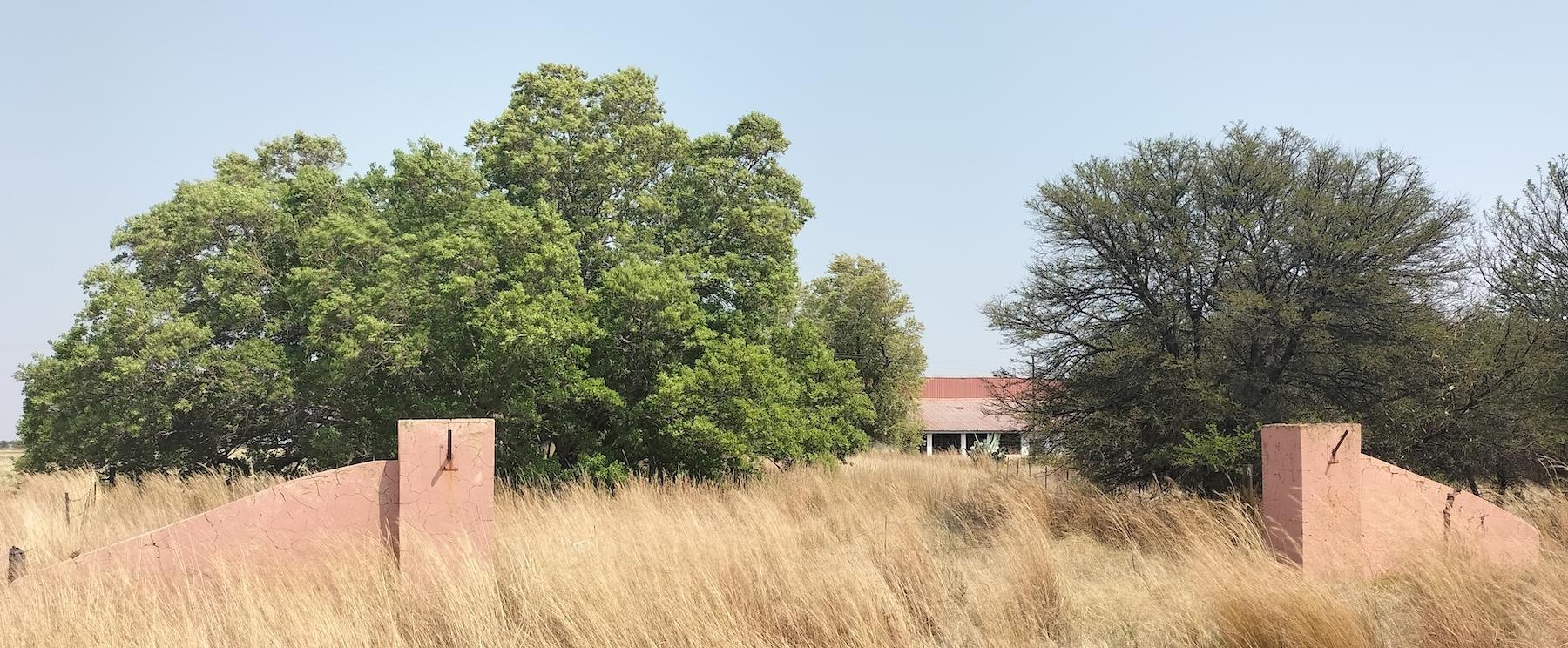
North-West Province on the R503. A plastered brick-and-mortar wall. This overgrown access point has not been in use for many years. The house visible in the background seems to stand empty.
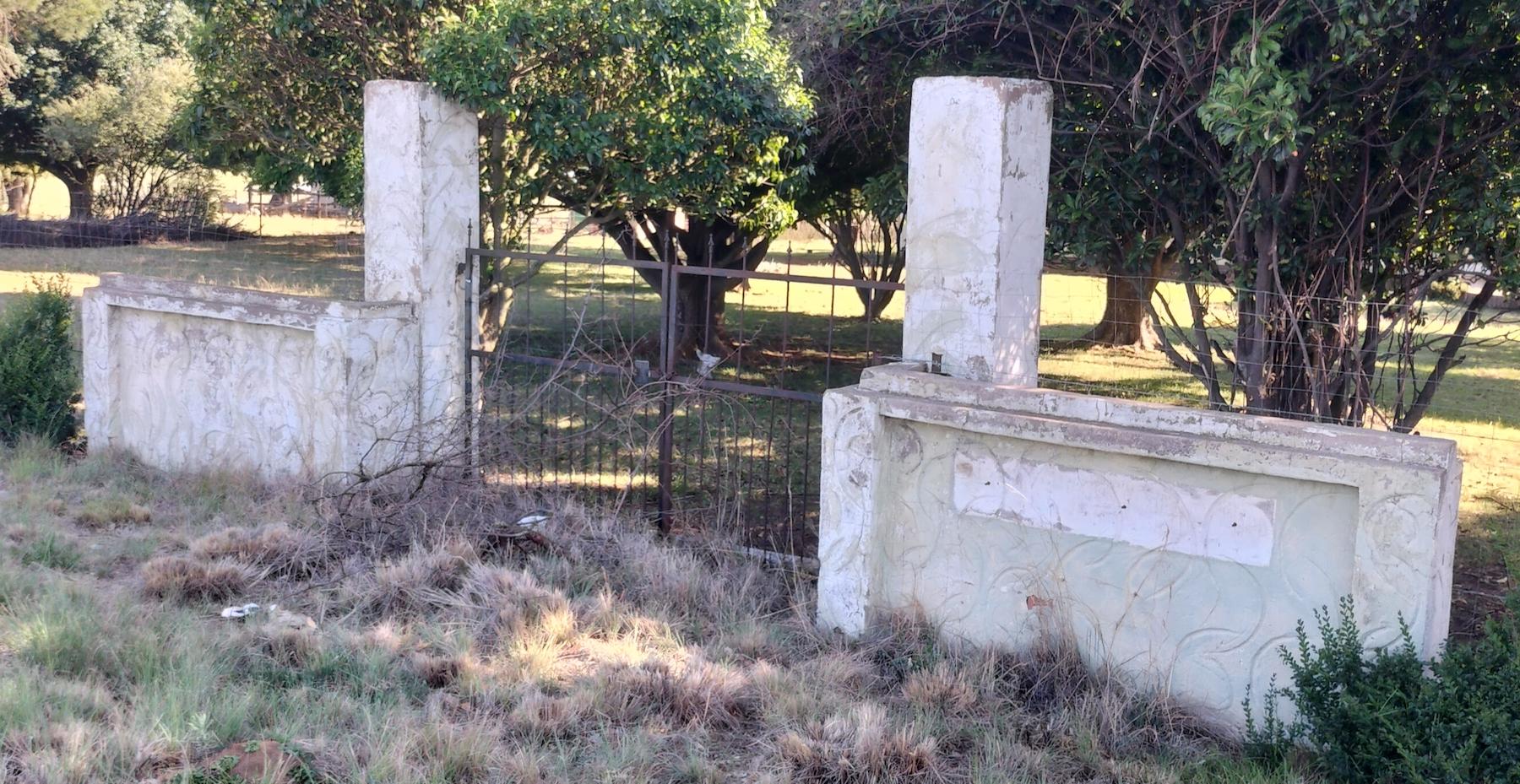
A plastered brick-and-mortar wall providing access to a plot between Volksrust and Standerton. Although the house in the background is still being occupied, the entrance to the property has been moved. It is assumed the reason for moving the entrance was because the national road runs too close to this original entrance, making it an unsafe entrance and exit point
Often I am asked whether I am a professional photographer, to which my response generally is that I used to be an amateur wedding photographer, but no longer focus on the art of photography.
This is not entirely true, however, in that I love my travel and abstract photography, relying on a mobile phone with a mediocre-quality camera.
The question may be: how do gates of yore relate to heritage?
The gates photographed were built at farm or home entrances, I would guess, between the 1920s and 1970s. They are mini architectural structures, some more elaborate than others. These gates were built with pride – some of them clearly constructed to make a statement.
Many of these old gates, whether originally installed at farmhouses, domestic residences, or on agricultural land, have gradually fallen out of use, bearing the physical marks of historical change – this is what attracts my attention to them.
They may have lost their intended function, but certainly not their presence.
Farm gates are symbols of a different rhythm, a slower time when land was worked with sweat and season, and when a gate’s swing marked the start of a day’s honest labour.
The term "gates of yore" evokes the significance these structures hold – not merely as entrances or barriers, but as thresholds demarcating various realms. Handcrafted from local materials, each gate bears the imprint of its maker, from chisel marks to blacksmith detailing and worn wood shaped by decades of use. Some gates were architecturally grand, while others were modest.
Today, in their gradual disintegration, they are overlooked by the contemporary changes around them.
Gates constructed from stone, brick, or mortar functioned as steadfast sentinels at the entrances to homes and fields. Unlike timber or wire counterparts, these gates were built with an expectation of permanence, symbolising lasting stewardship over the land. Features such as moss-capped brick pillars and rusted ironwork reflect both craftsmanship and the era. These gates once provided access to prominent estates and delineated boundaries between pasture and cultivated land.

Located just outside Magaliesburg, this pedestrian gate led to a private residence. Why would it have fallen into disuse in that the residence behind this gate still seems occupied?
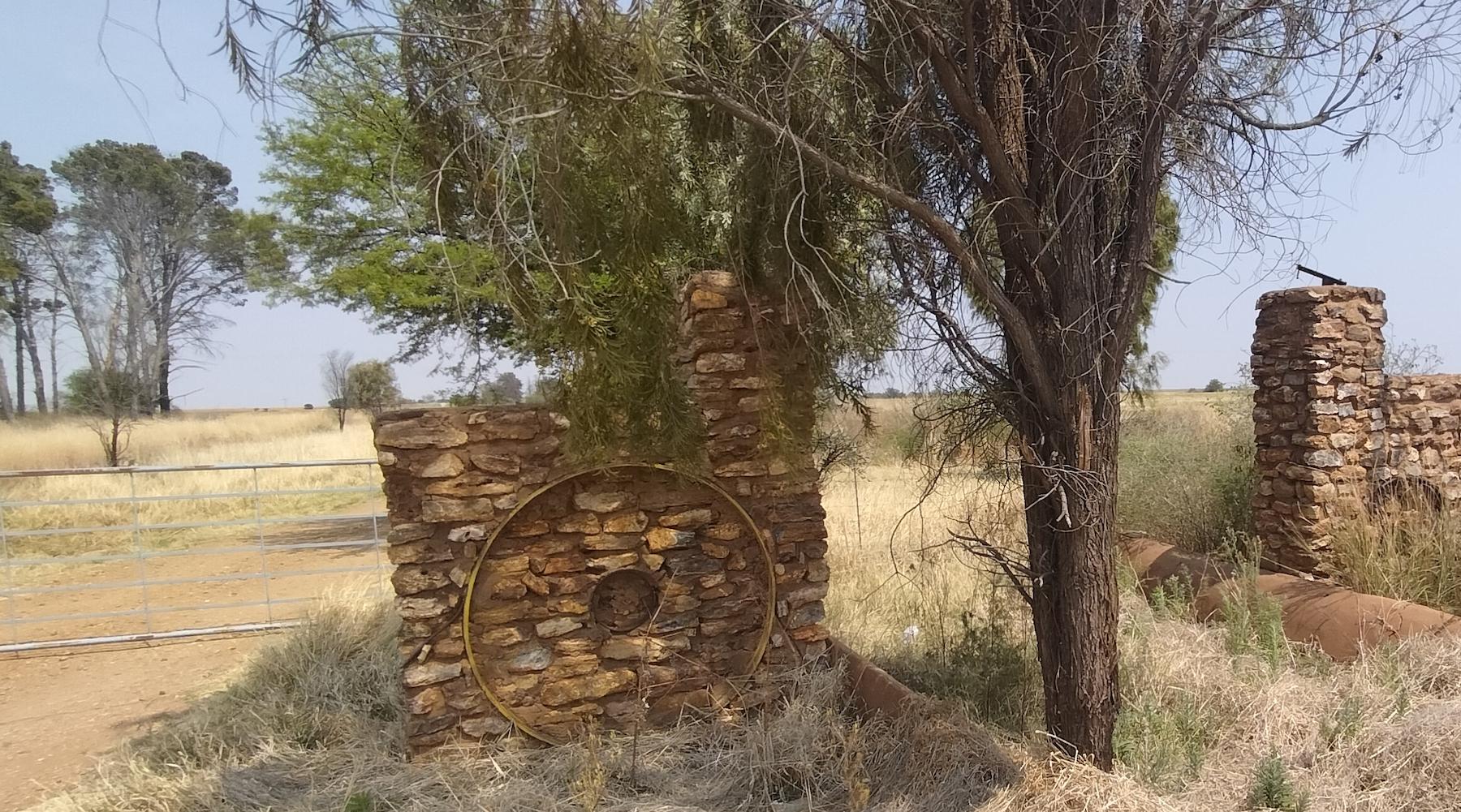
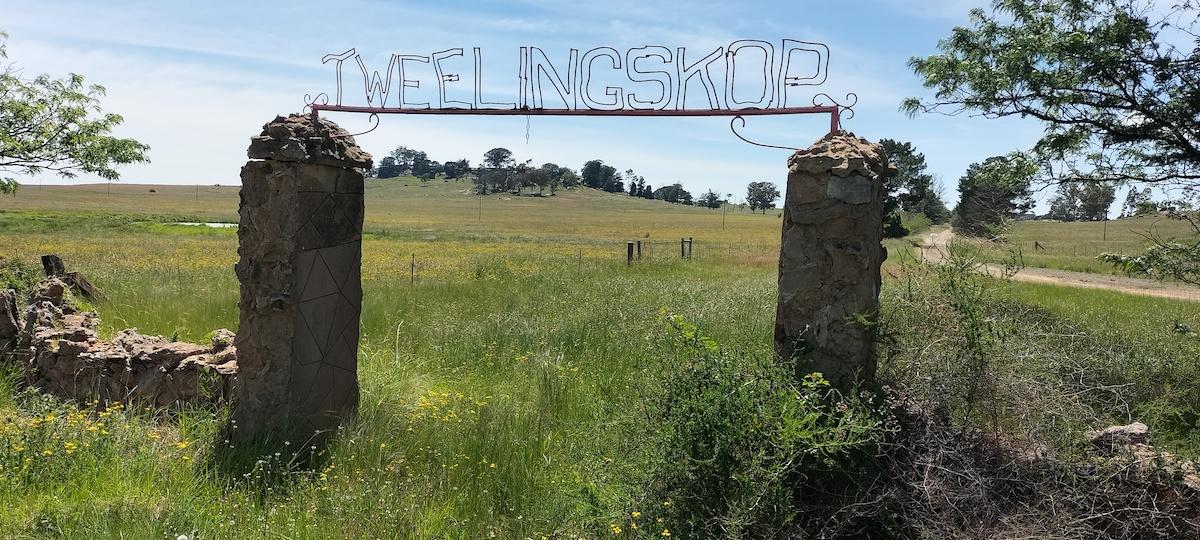
North-West Province. The tree in the driveway of this stone-pillared gate, with the wheels of a farm implement built into it, gives a sense of how long the gate has been in disuse. Note the steel gate on the left, which now provides the primary entrance to the property.
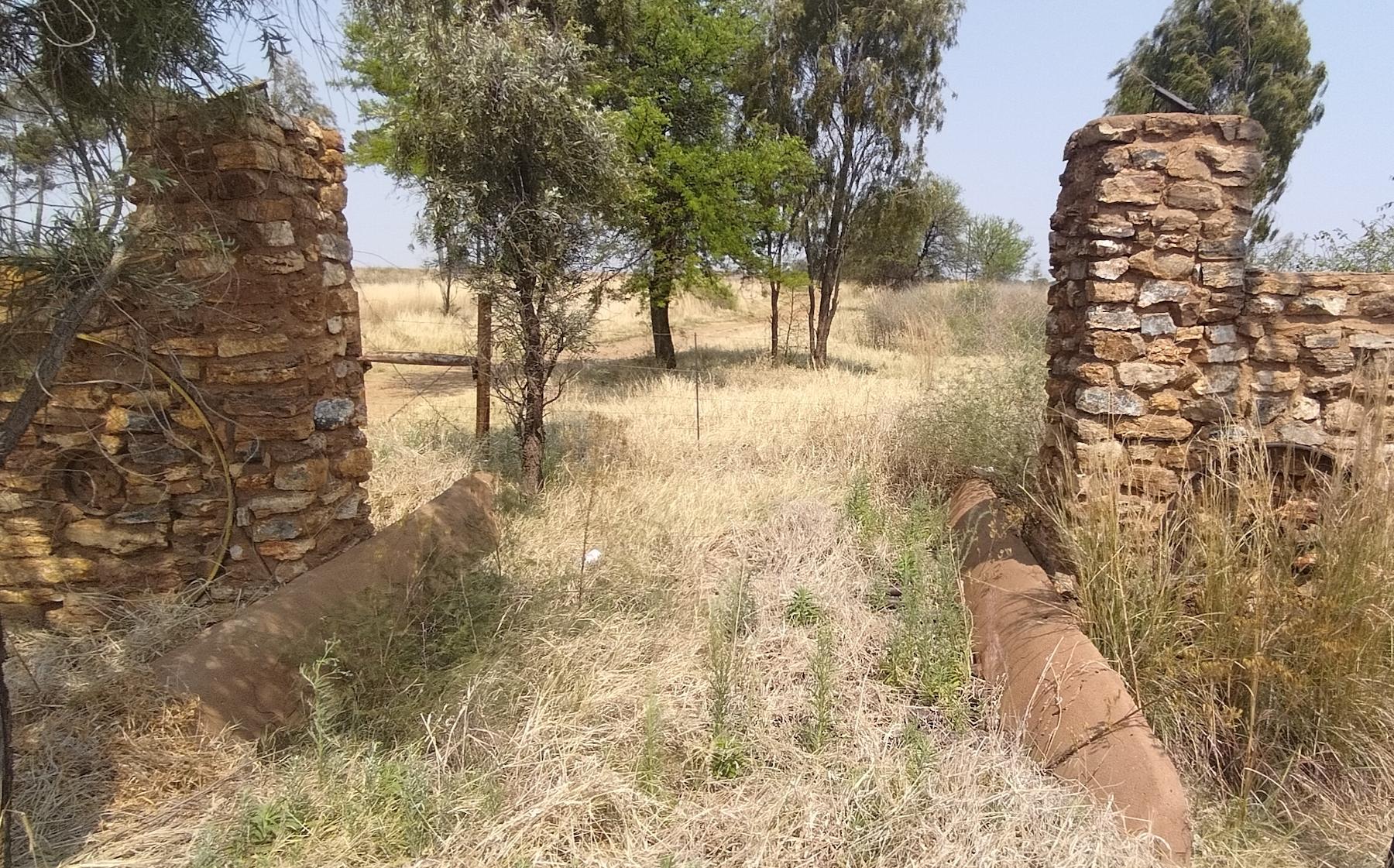
A different angle to the photograph above. This suggests that the entrance may have become too narrow over the years. The entrance also still has a cattle grid in place
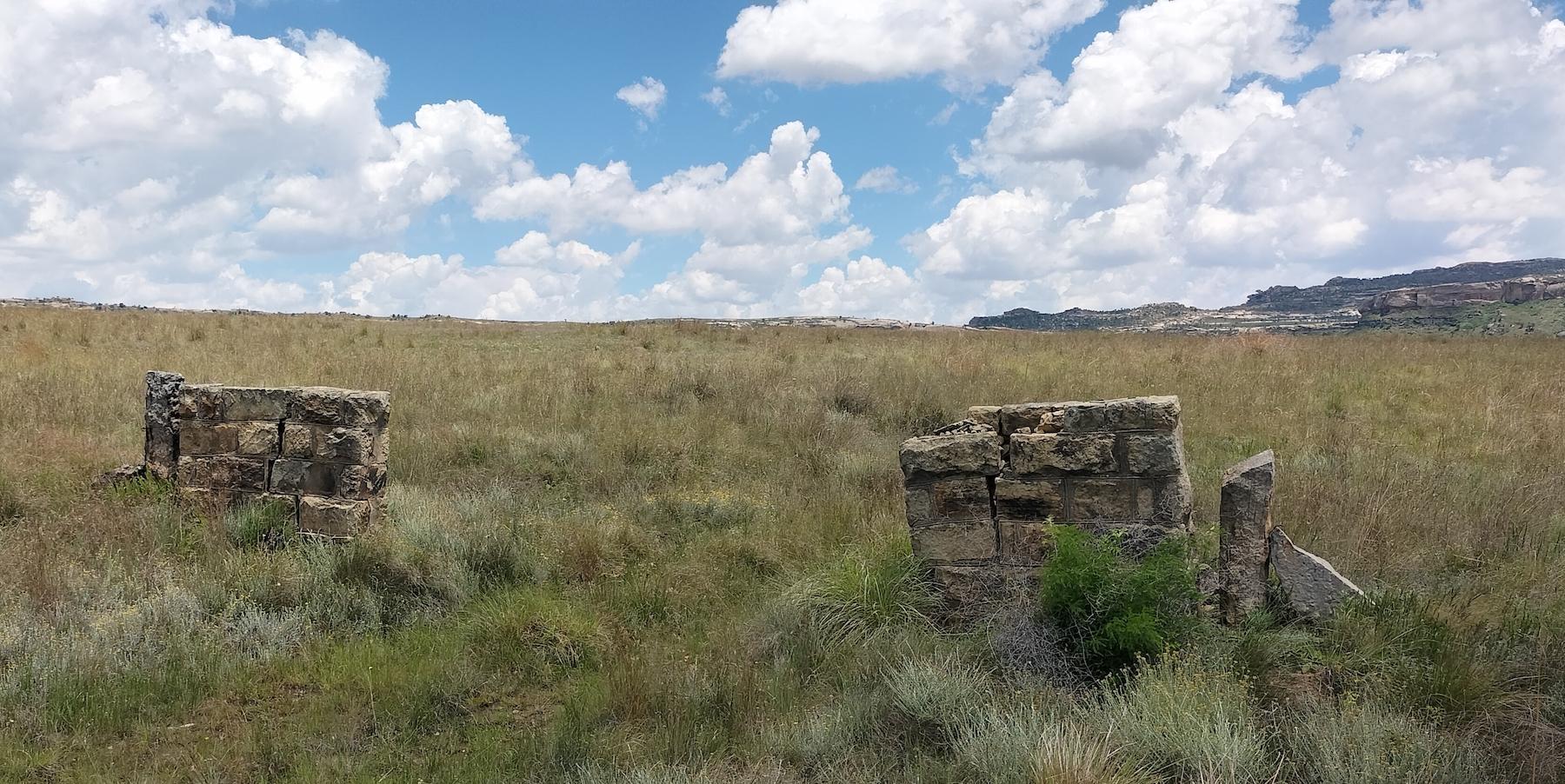
Sandstone pillars of an early gate entrance in the Golden Gate Highlands National Park
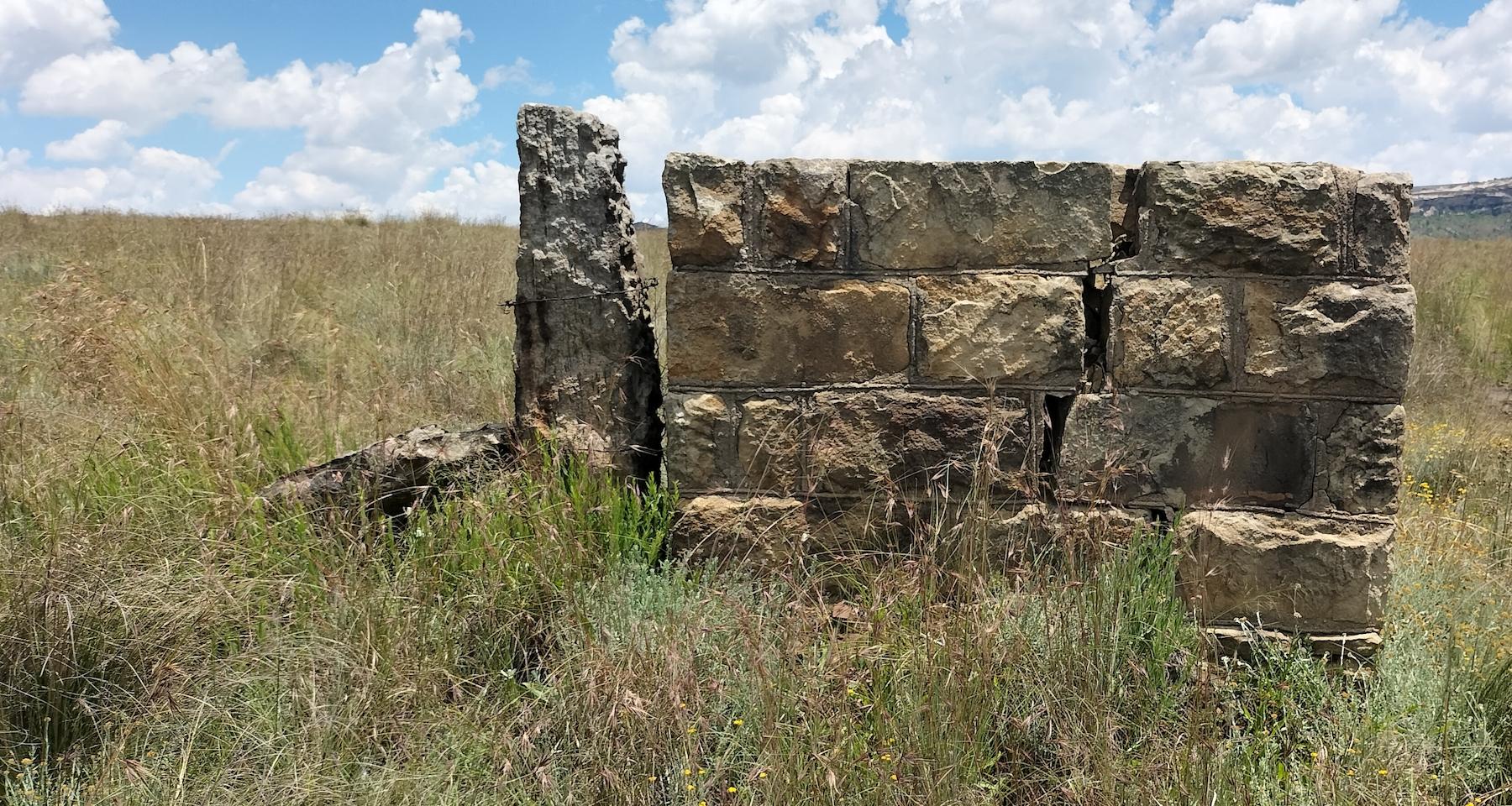
A close-up of the same pillars above, showing a crack in the structure
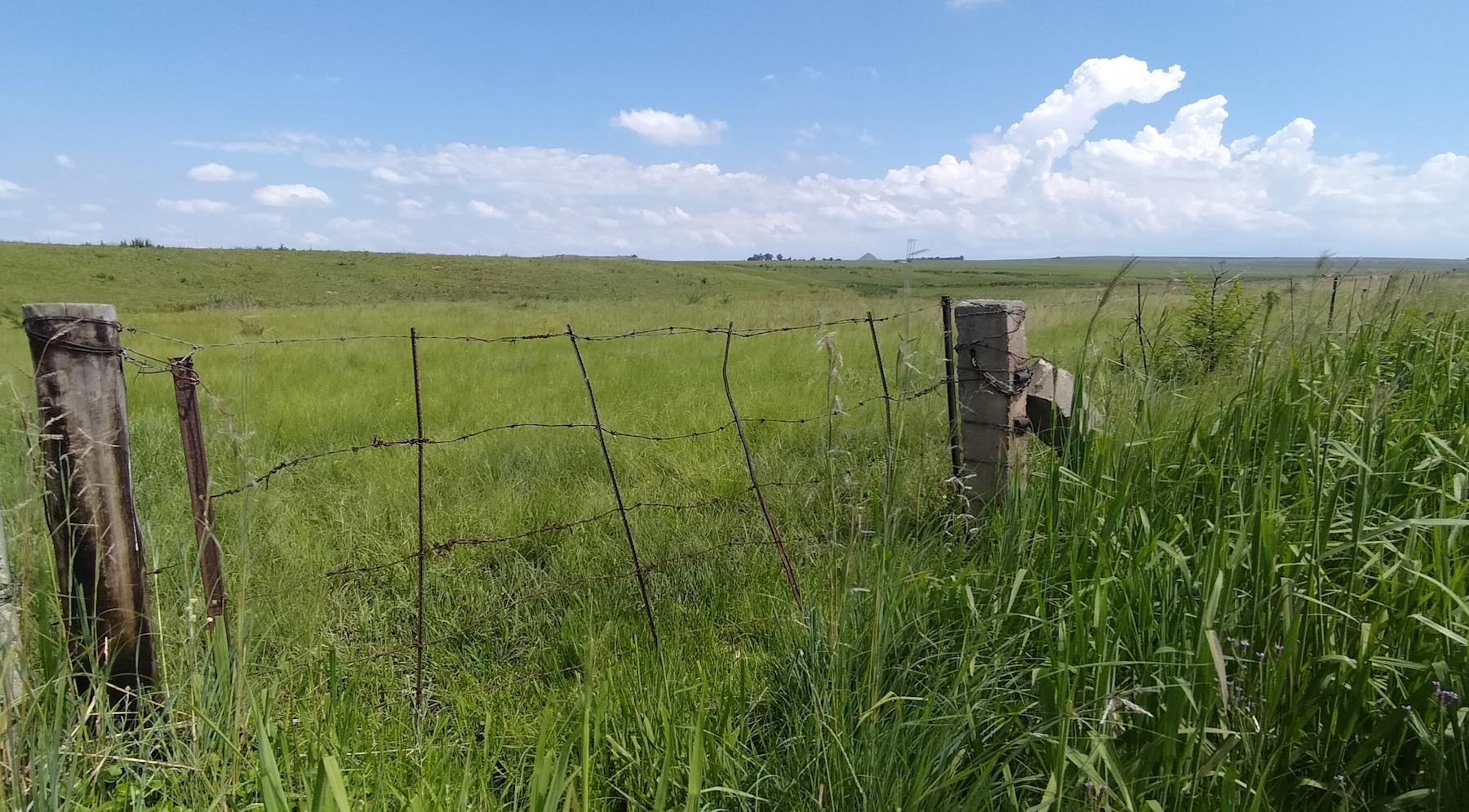
An elementary “collapsible” farmgate standing in a field overgrown with reeds on a farm between Harrismith and Bergville. The initial purpose of this gate has long faded as it has not been in use for many years.
As newly built gates, some stood grand at the head of estates, framed by brick pillars and possibly flanked by hedges. Others were humbler — swinging wide for cattle, carts, and children with muddy boots. Regardless of size or stature, these gates were the first to greet and the last to bid farewell.
In their stillness, these gates of yore each have their own stories. Of hands calloused by work. Of wagons creaking under harvest. Of dogs slipping through before the latch caught.
They serve as reminders of evolving landscapes and the communities that once traversed them. Even in disrepair, such gates retain a sense of dignity and stand as monuments to craftsmanship. Once functional thresholds facilitating rural labour, today they remain in quiet submission to the passage of time.
Despite no longer fulfilling their intended functions, the presence of these gates endures. Physical deterioration is evident — cracks in masonry, paths long since swallowed by overgrown grass, corroded hinges and ironwork bending due to rust — yet their resilience remains amidst shifting surroundings. Today, these gates open onto wild fields or newly developed properties; in others, they exist in profound silence where only traces of former labour persist.
The question is why the gates have fallen into disuse – the reasons could be varied:
- The house that the gate led to is no longer in use and has fallen into disrepair;
- Farms have been bought out and today form part of a larger fenced area or game reserve;
- Security required these old-fashioned gates to be replaced with steel gates with electric motors;
- Fences around the property have been removed, with vehicles no longer required to make use of the gates – they simply bypass them;
- The gate potentially was too narrow, requiring a broader steel-framed gate to be installed next to the original brick-and-mortar gate;
- Some gates had cattle grids installed – these became a nuisance, resulting in the gate being circumvented;
- New provincial or national road infrastructure **is** too close to entrances, requiring the original entrance to the property to be moved.
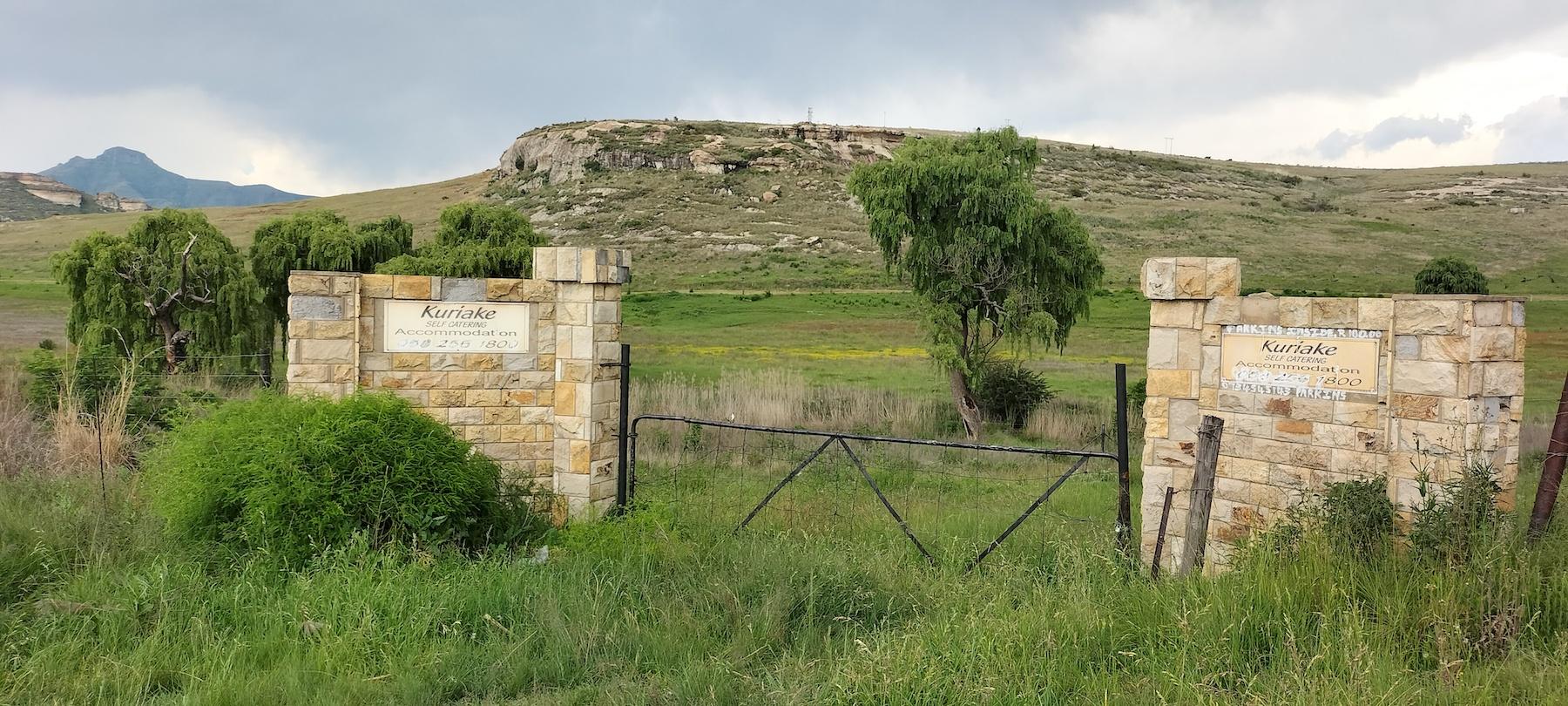
A beautifully constructed sandstone entrance to a farm on the road between Clarens and Fouriesburg. The entrance to the property has been moved.
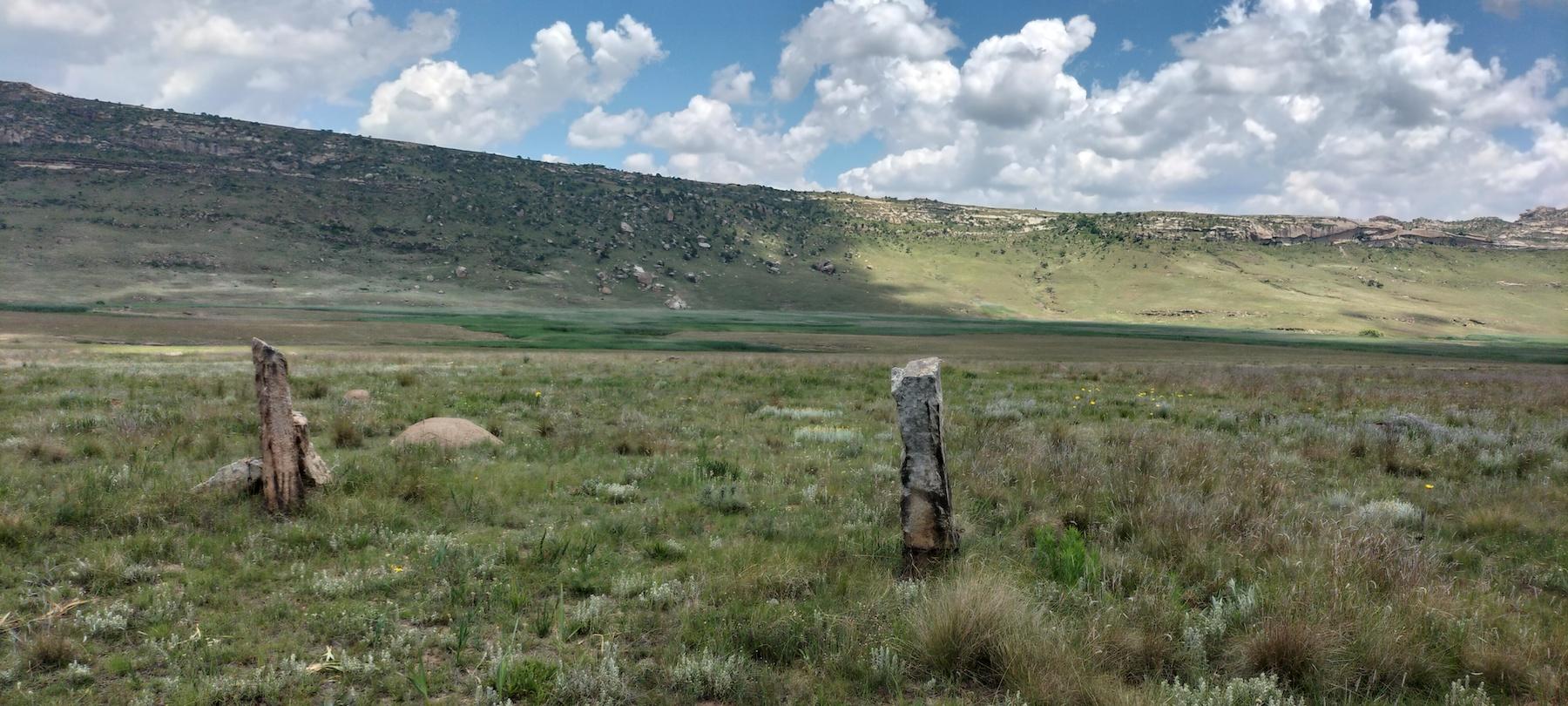
Two sandstone pillars standing forlorn. These pillars, fairly common in the Free State Province, were used as corner support units for fencing around farms or as gate posts. There would have been an elementary “collapsible” gate spanned between these two pillars, which stand in the Golden Gate Highlands National Park.
Closing
Despite their decay, they continue to exemplify a bygone era characterised by measured rhythms and diligent agricultural effort. In their quiet persistence, these gates impart stories of enduring labour, seasonal cycles, and everyday events.
Many more of these structures are to be seen and photographed in our country. Gates of yore in the three Cape Provinces have not been covered in this article. Although another motorbike trip is planned to these provinces later this year, I was too eager to publish what has been photographed to date.
There is no doubt that there are some surprises of many more beautiful gate structures out there.
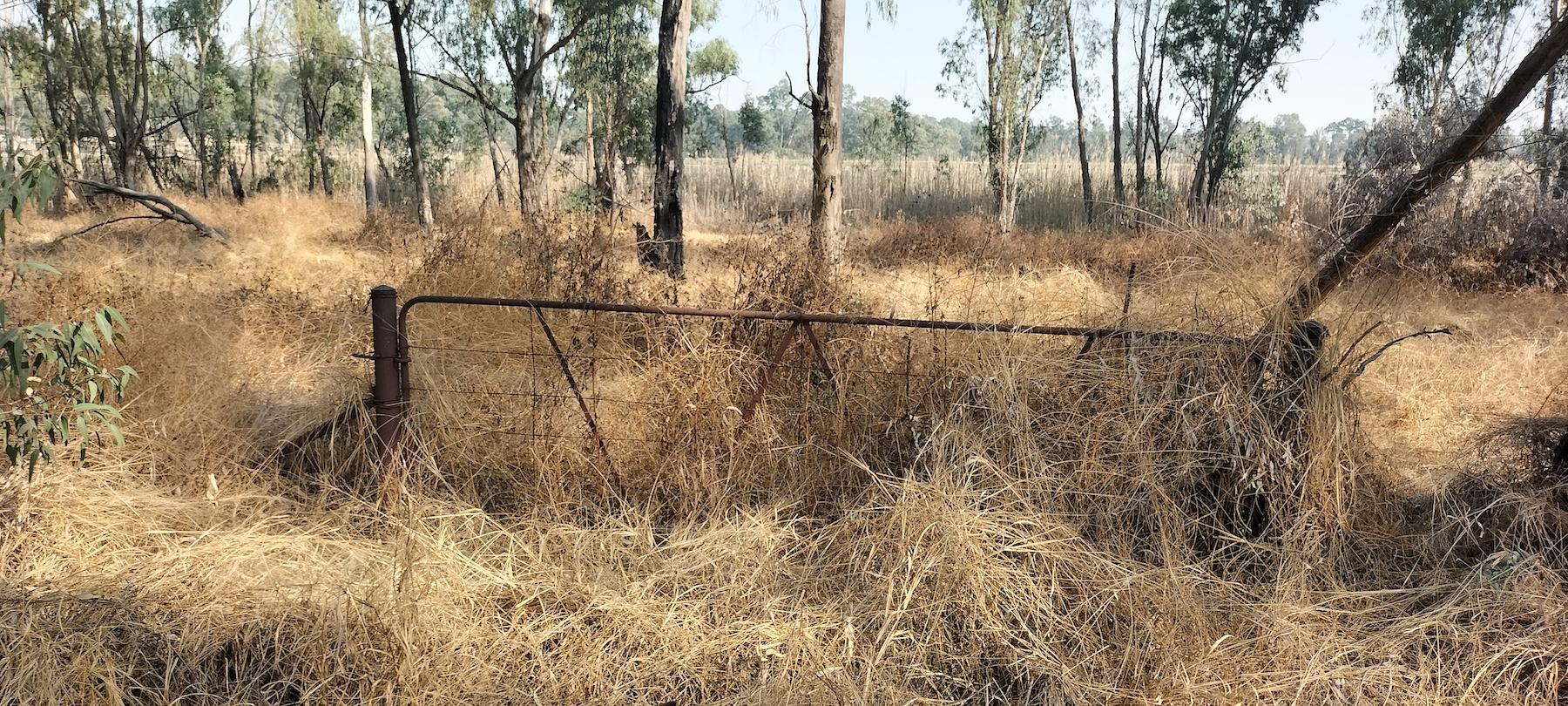
This steel-framed gate was spotted whilst hiking in the Modderfontein reserve in Johannesburg. Wonder where this gate initially led to. The wire fencing around the gate is long gone. The country is scattered with gates such as these that have fallen into disuse.
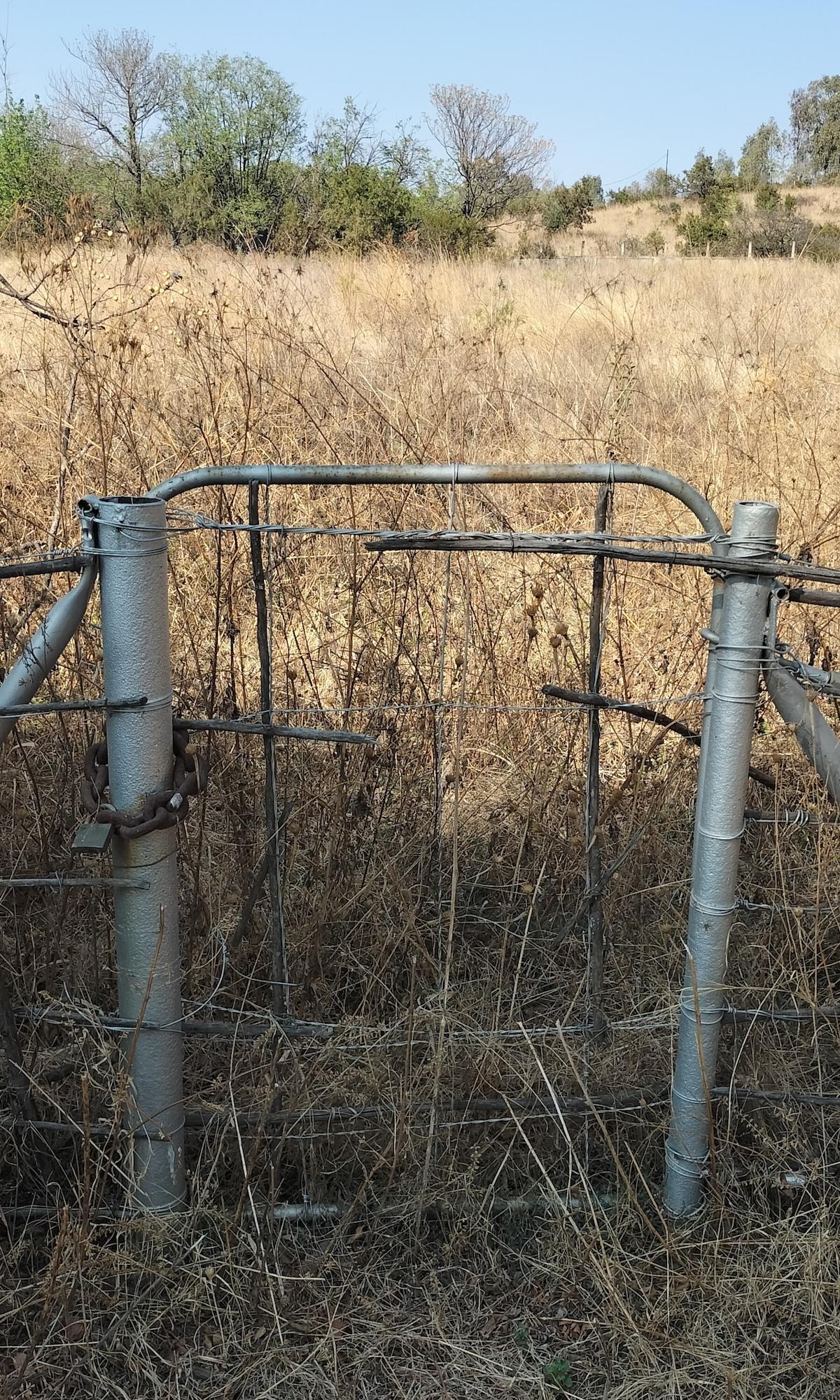
A pedestrian steel-framed gate near Muldersdrift that has long fallen into disuse. Wonder whether anyone still has keys to the padlock
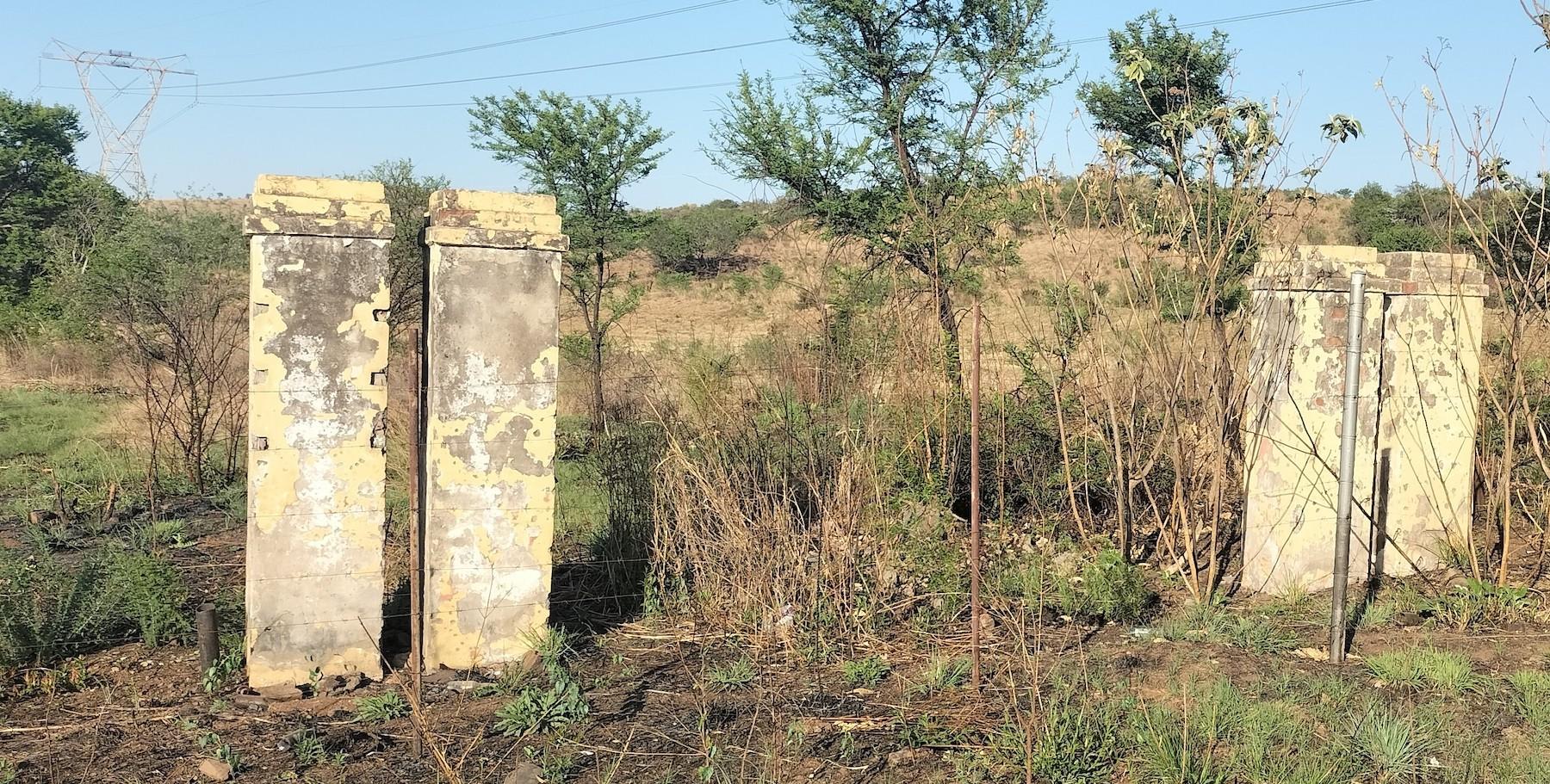
Not the most attractive gate posts - long forgotten entrance to a property between Magaliesburg and Rustenburg
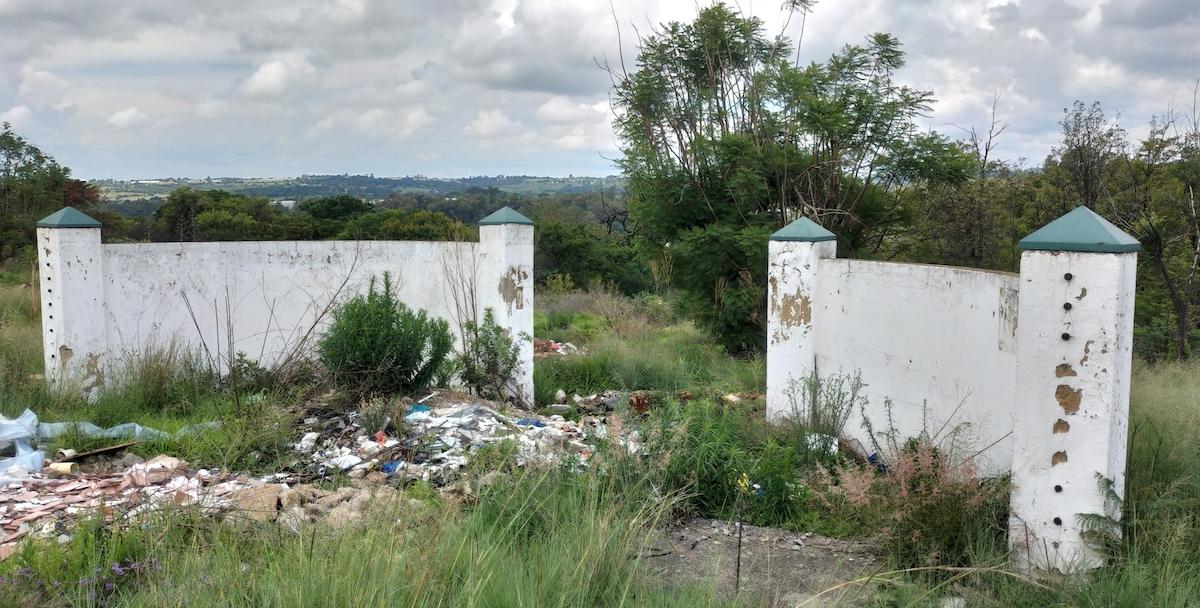
What was once a proud point of entry has now become a dumping ground. A plastered brick-and-mortar gate between Pretoria and Krugersdorp
About the author: Carol is passionate about South African Photographica – anything and everything to do with the history of photography. He not only collects anything relating to photography, but also extensively conducts research in this field. He has published a variety of articles on this topic and assisted a publisher and fellow researchers in the field. Of particular interest to Carol are historical South African photographs. He is conducting research on South African based photographers from before 1910. Carol has one of the largest private photographic collections in South Africa.
Note: AI was used for the philosophical structuring of this article.
Comments will load below. If for any reason none appear click here for some troubleshooting tips. If you would like to post a comment and need instructions click here.