
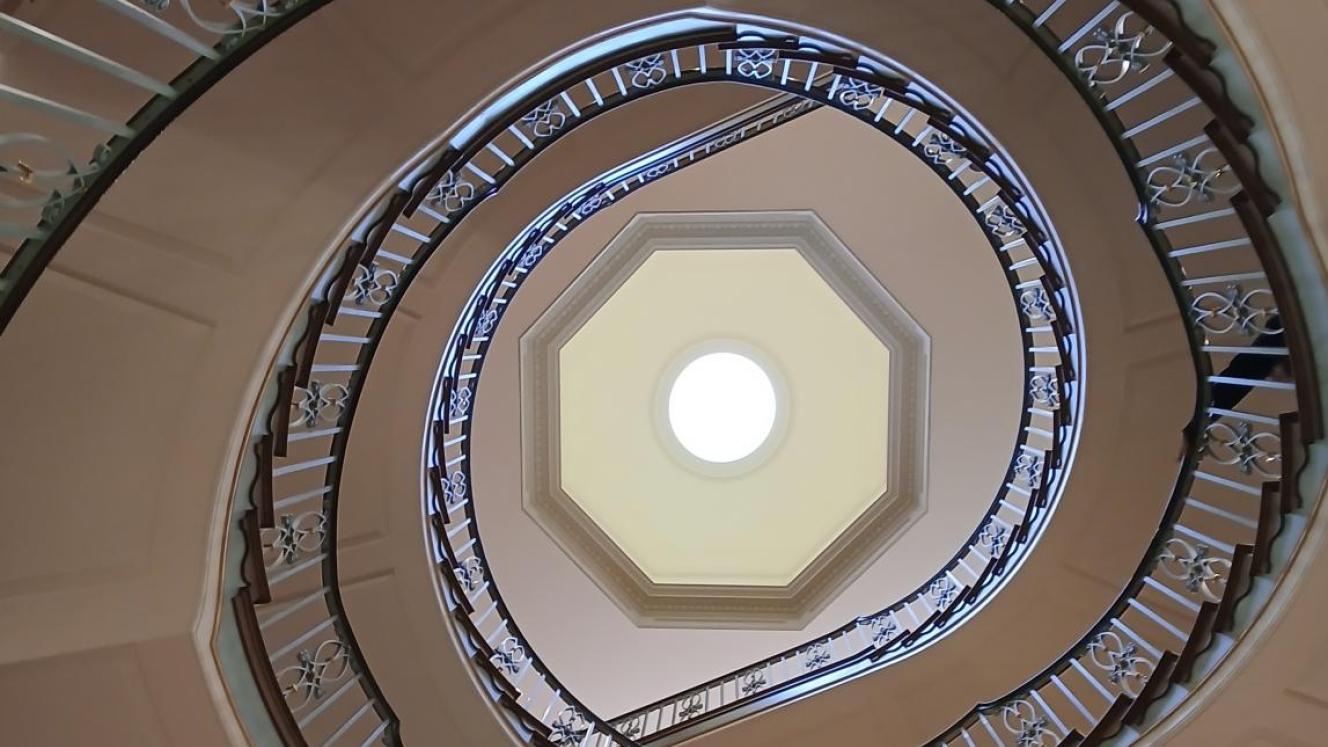
In November 2025, King Charles III visited Fortnum & Mason in Piccadilly to officially open the landmark store's most significant structural change in a generation: a bespoke double helix staircase. Designed by Ben Pentreath Studio, the structure is an elegant intervention to improve movement between levels especially during peak times.
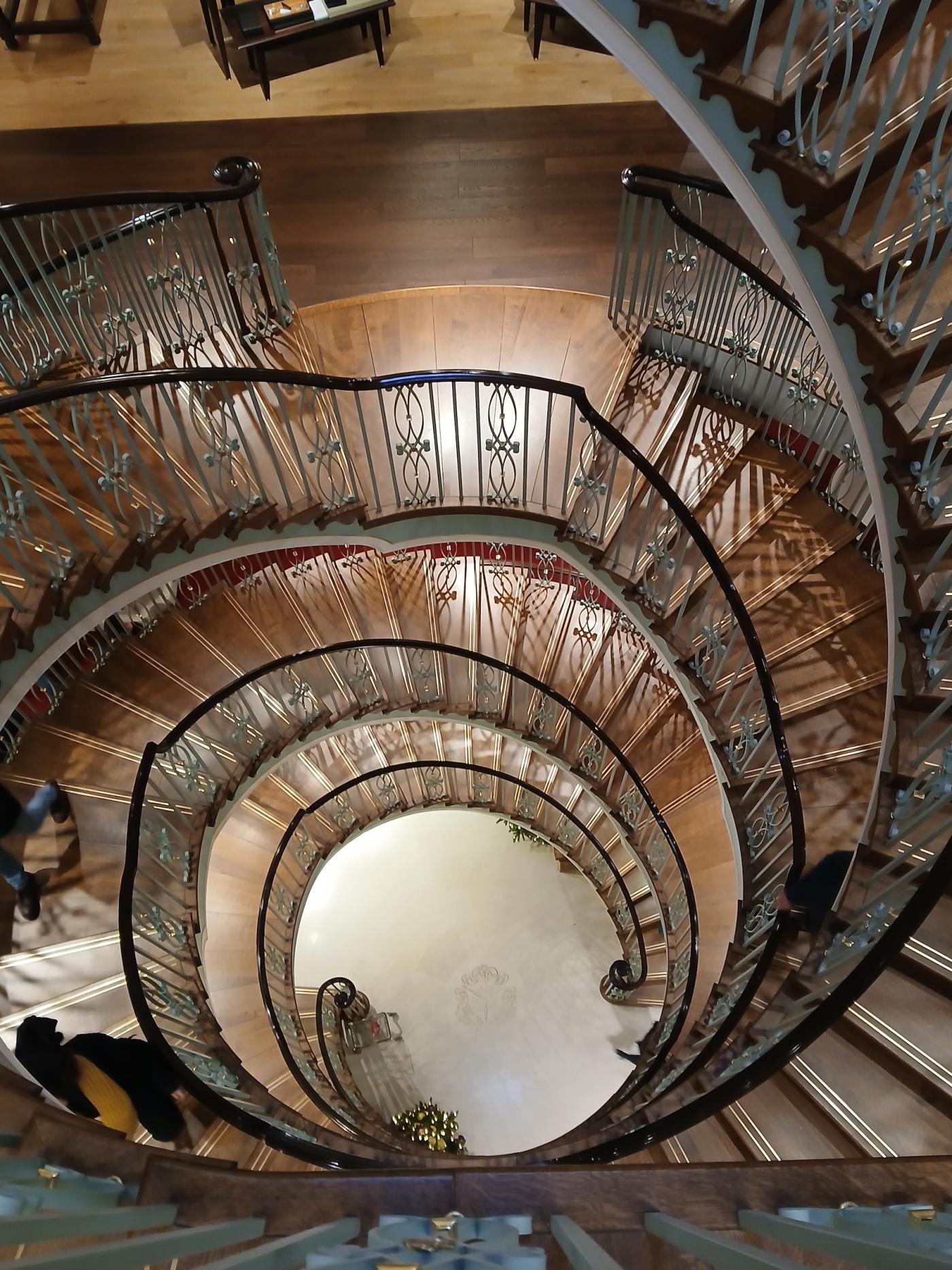
The double helix staircase from above (The Heritage Portal)
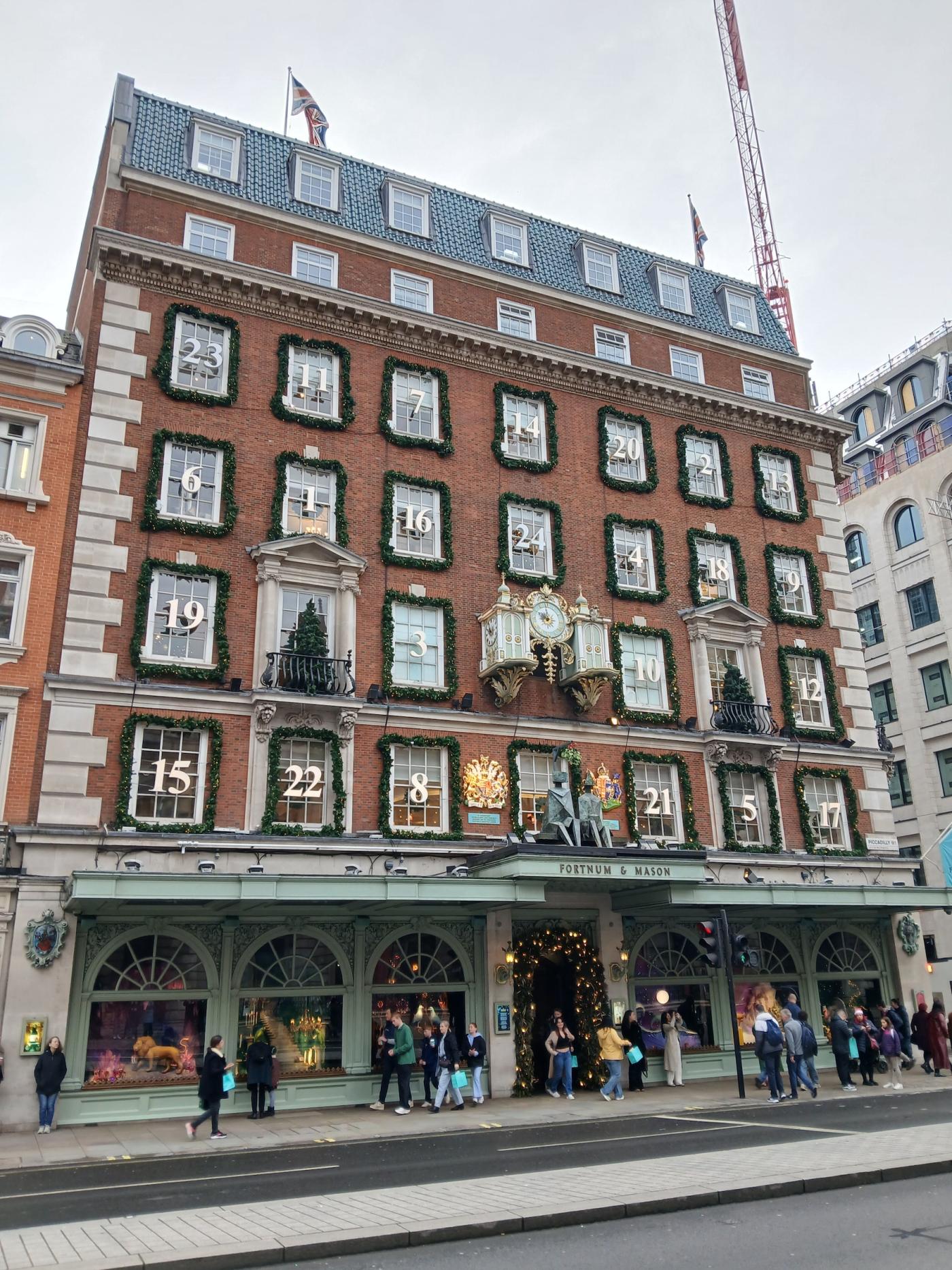
Fortnum & Mason is an upmarkert department store in the heart of London that was established in 1707. The iconic building we see today emerged from a major conversion in the 1920s.
During a visit several years ago in the lead-up to Christmas, I remember the previous staircase being beautiful but difficult to navigate. The sheer volume of shoppers led to a major chokepoint. With hundreds of thousands of visitors each December, the Fortnum's team were wise to look for a new solution and to launch it before the Christmas rush.
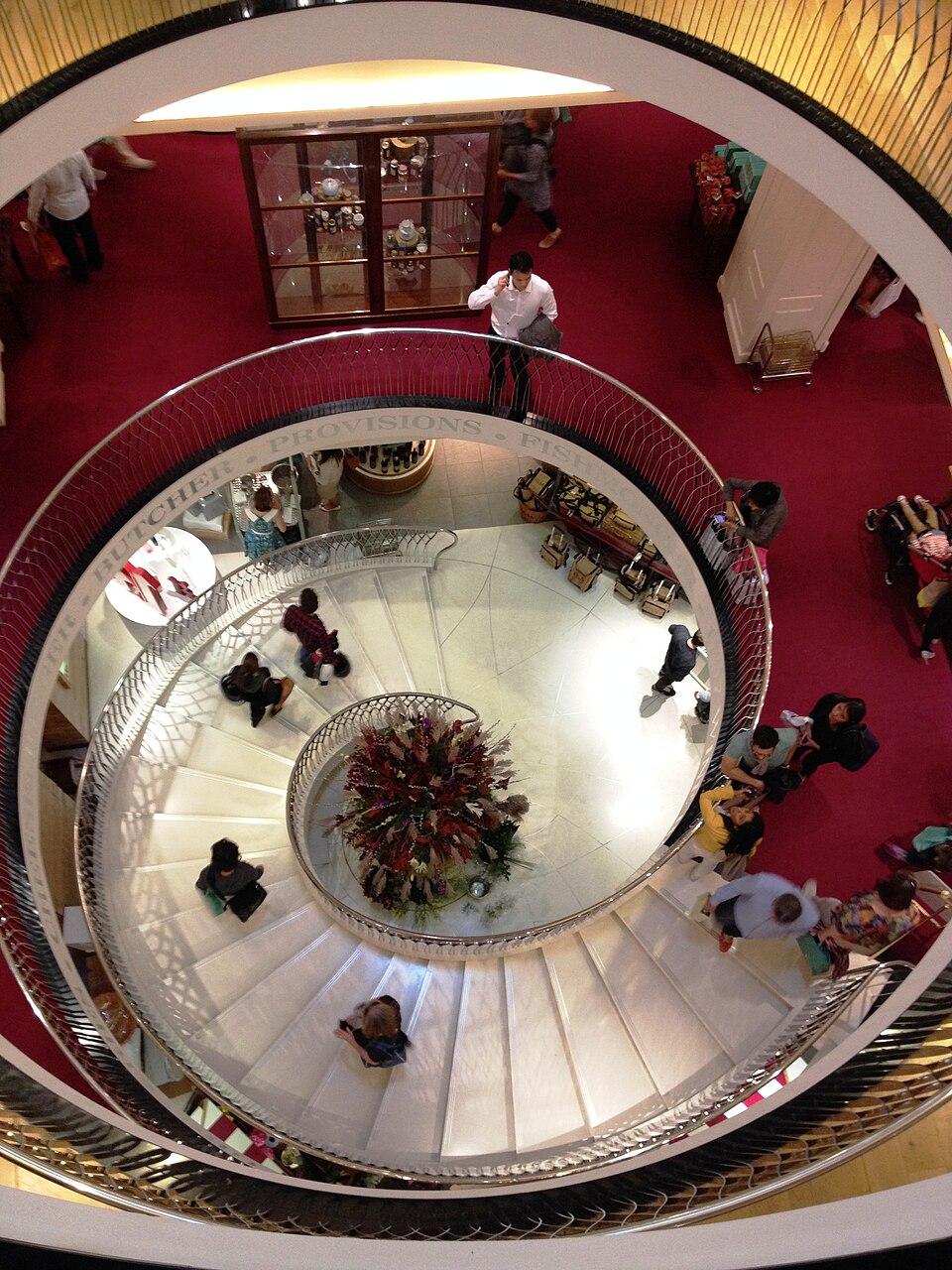
The previous staircase (Wikipedia)
Returning this December, the experience was a joy (admittedly I was there during the earlier part of the day before the crowds really got going). The double helix - two independent spiral paths intertwined within the same central atrium - effectively doubles the capacity for movement. By separating those going up from those coming down, the design replaces the old bottlenecks with a continuous flow that feels effortless. I walked it several times just admiring the beauty of the design from all angles.
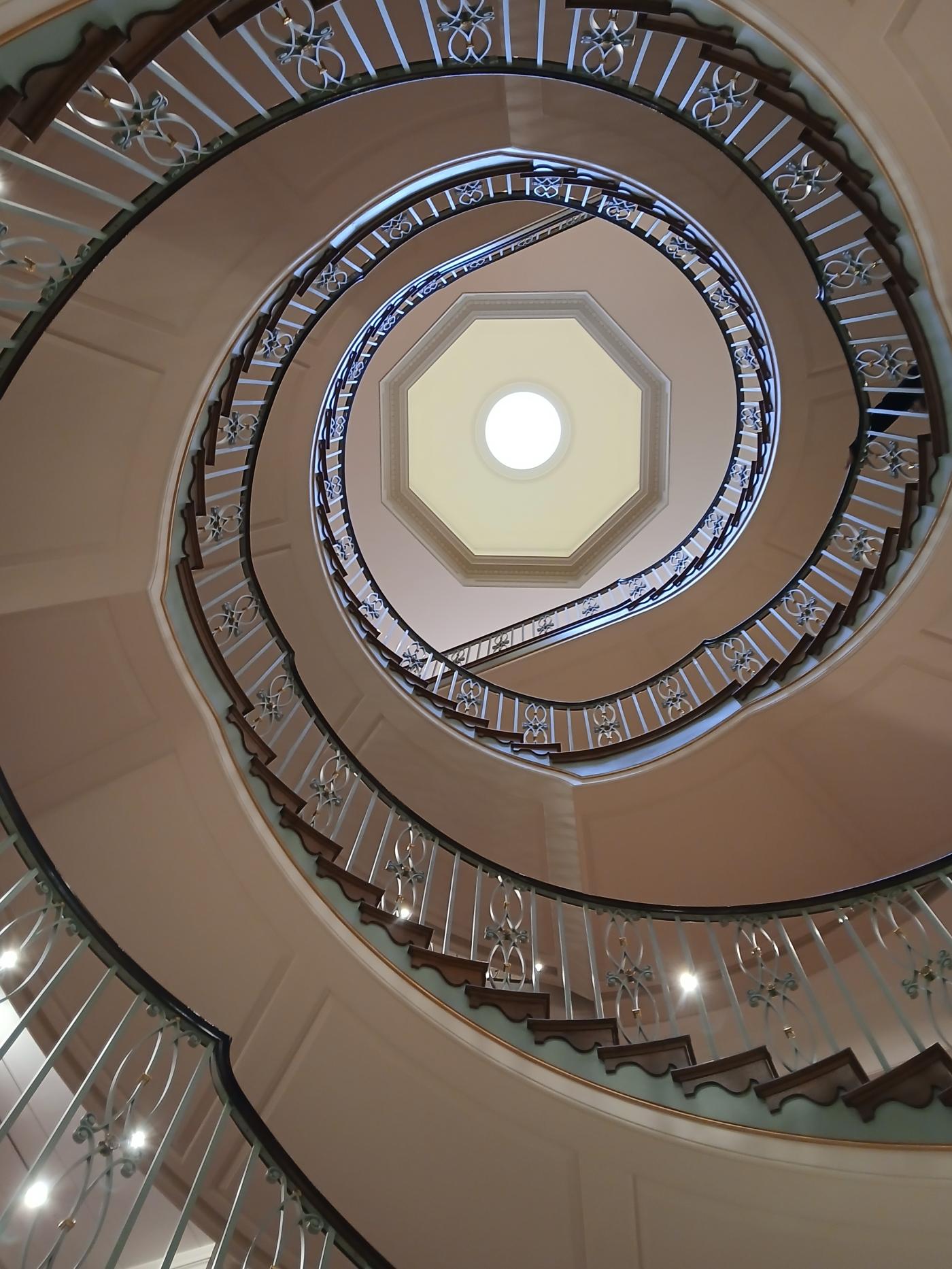
My favourite view looking up (The Heritage Portal)
While it appears as a singular, sculptural ribbon of wood and metal, it is actually a complex assembly of over 3,000 hand-forged components. The three-storey staircase features oak treads and thousands of hand-cast brass scrolls and rosettes, with discreet lighting tucked into the handrails to keep the profile clean and uncluttered.
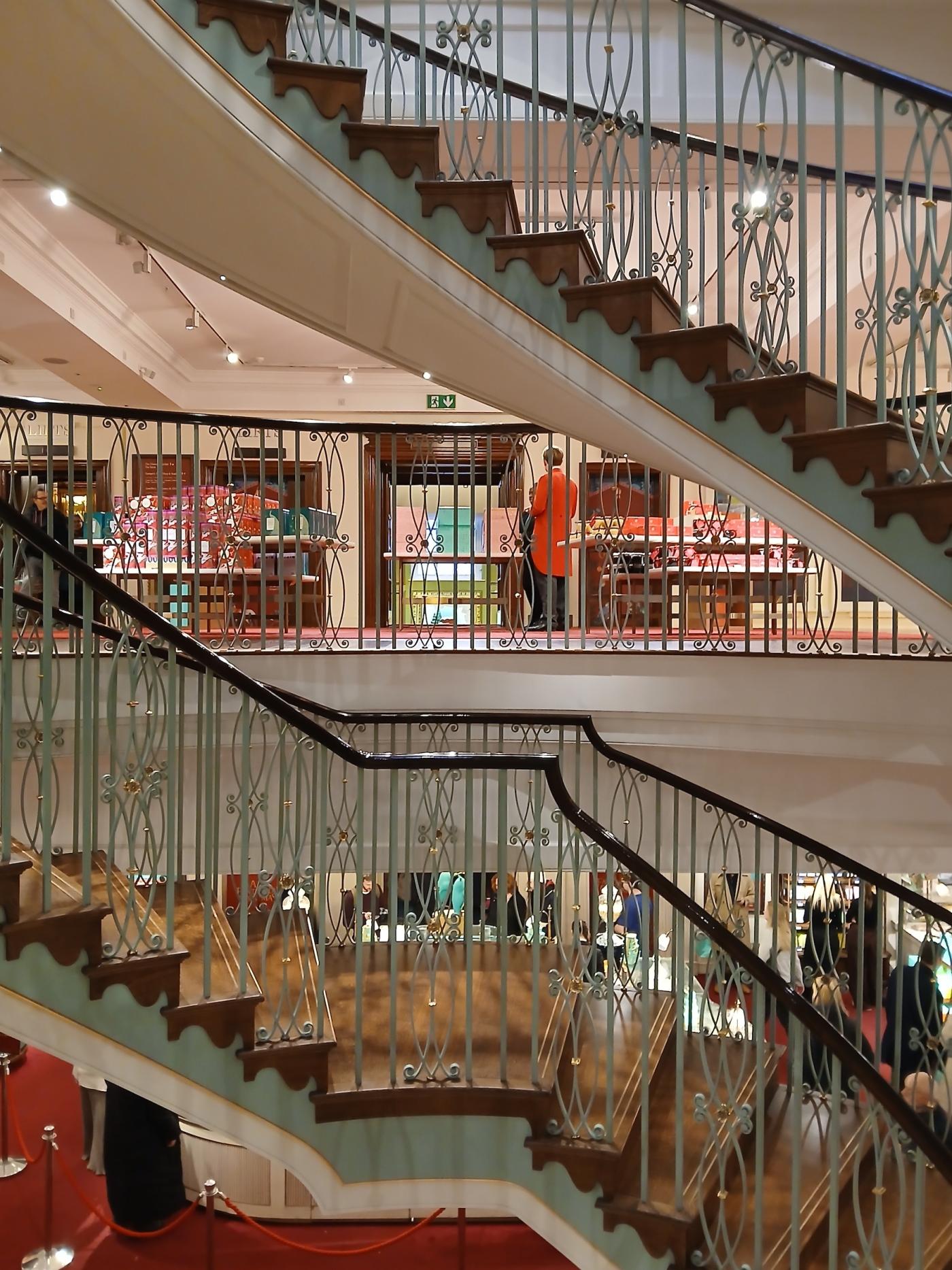
A complex assembly of components (The Heritage Portal)
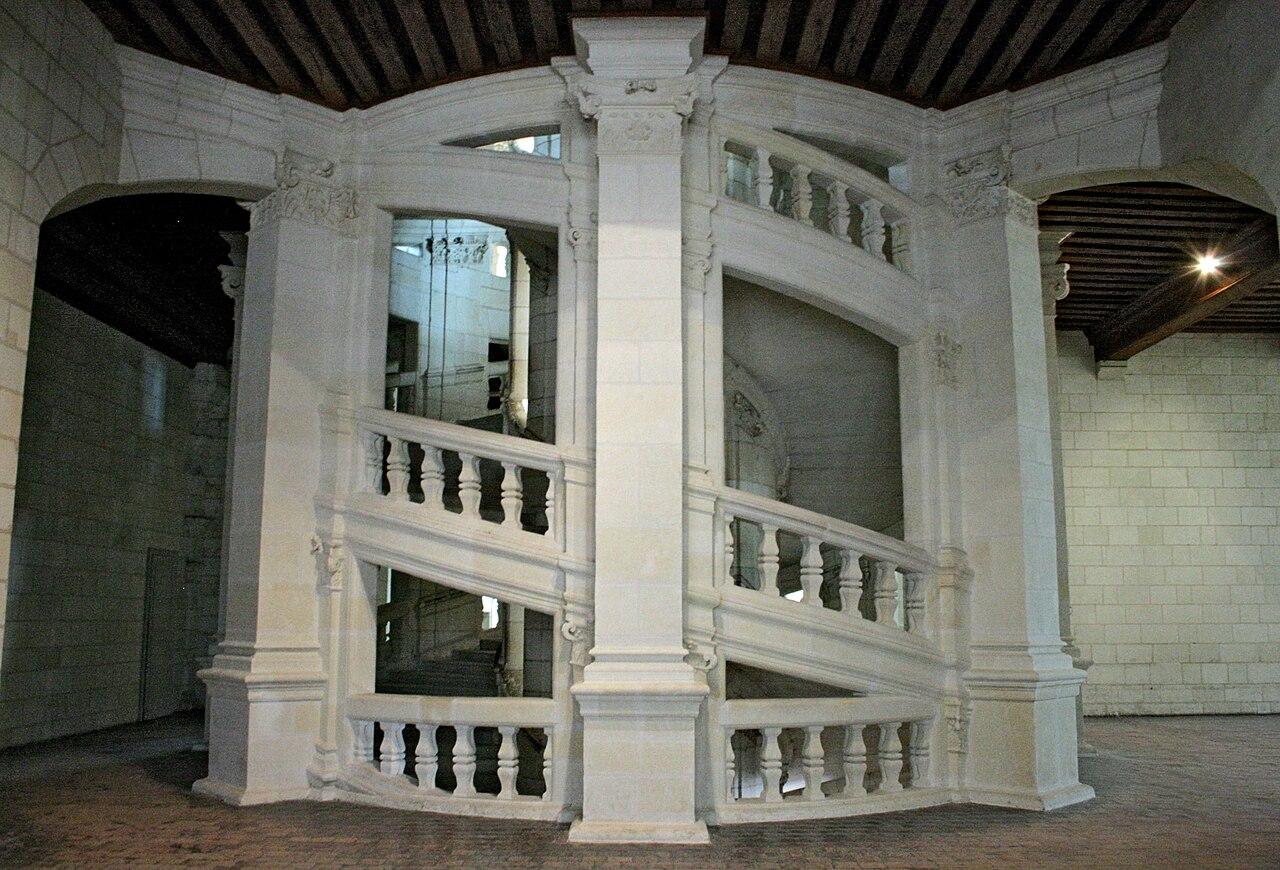
The concept is a nod to the sixteenth-century double spirals at the Château de Chambord.
The technical execution required a high degree of precision and coordination. Extensive digital modelling allowed for the components to be fabricated with extreme accuracy before being brought into the building. The installation itself was a delicate nocturnal operation; large sections were transported and carried over the shop floor at night, then reassembled behind hoarding during the day. This allowed the store to remain open throughout the process, an impressive intervention in a sensitive heritage environment.
Sustainability was also central to the project’s ethos. Materials from the previous staircase were carefully salvaged and repurposed, ensuring the new addition carries forward the material history of the building. Beyond its visual appeal, the project demonstrates how a clever rethink of a layout can fundamentally improve the way people move through a busy commercial landmark.
James Ball is the founder and editor of The Heritage Portal