
Disclaimer: Any views expressed by individuals and organisations are their own and do not in any way represent the views of The Heritage Portal. If you find any mistakes or historical inaccuracies, please contact the editor.
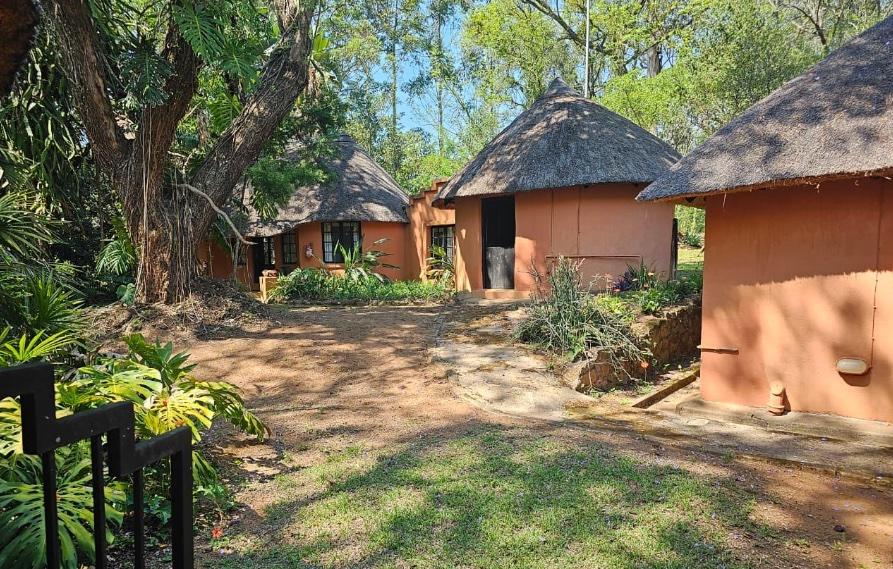
The name Roodewal originates from the deep red soil of the Brondal Valley, a fertile expanse that has sustained Lowveld agriculture for generations. At the heart of this landscape stands a homestead approaching its centenary, notable for being one of the region’s earliest guest houses. The structure was designed with a deliberate nod to African indigenous architecture, comprising a cluster of elegant, thatched rondavels linked by spacious communal areas and set within established gardens.
Martly Malherbe, the original builder, was an actress who later transitioned into education. Alongside physiotherapist Professor Jean Blair, she established the Brondal school and clinic to serve the local farming community.
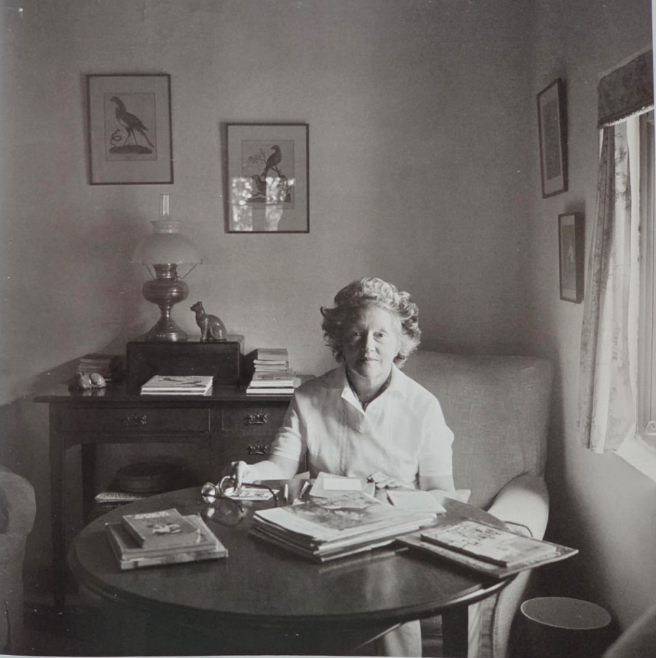
Martly Malherbe preparing her rural schools program in her corner at Margsol Roodewal homestead
The homestead’s cultural significance was cemented when the photographer David Goldblatt included a portrait of Malherbe, taken within a corner of the house, in his seminal work, Some Afrikaners Revisited. This intellectual atmosphere drew other notable figures, including the pioneering ecologist and author Eugene Marais. Marais sought the seclusion of Roodewal to document his observations on termites and primates, a period of creative output that preceded the tragic plagiarism controversy involving Maurice Maeterlinck.
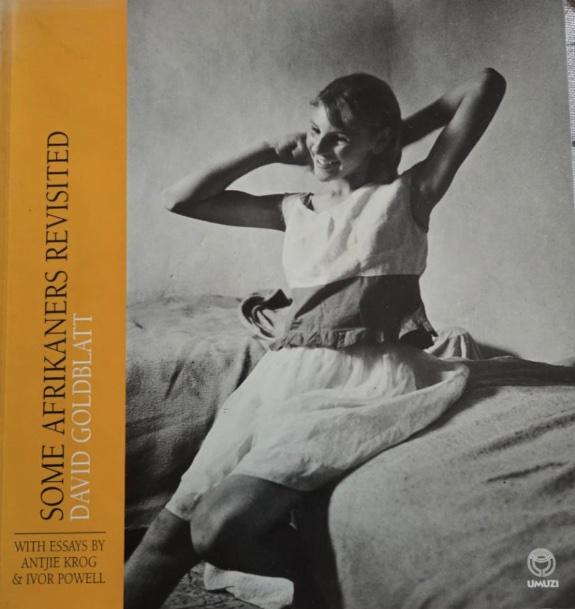
Book Cover
The property also retains ties to the natural sciences through Malherbe’s cousin, the wildlife artist Dick Findlay. Known for illustrating the 1970 Collins Field Guide to South African Birds, Findlay’s botanical and ornithological studies were eventually featured on Southern African postage stamps; several of his original works remain on the homestead walls. During this era, the house operated as a creative nexus, characterized by the practicalities of early Lowveld life: oil lamps, copper donkeys for hot water, and an AGA stove in the kitchen.
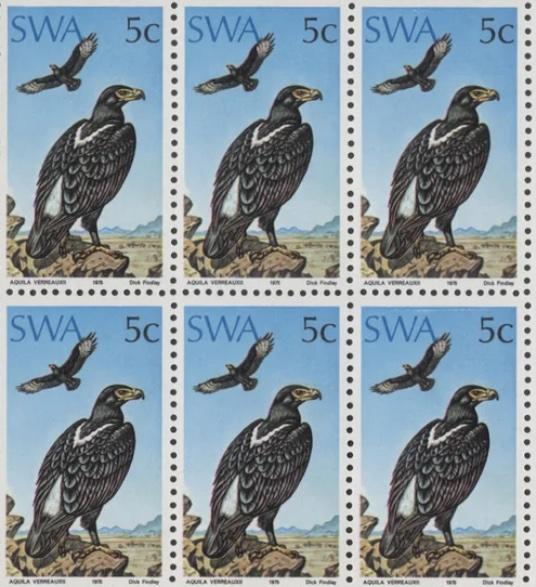
Birds of Prey Design by Dick Findlay (Zeboose)
Ownership later passed to Advocate Solly Tucker, a Cambridge-trained barrister and the founder of York Timbers. Tucker was a distinctive figure in the valley, frequently seen navigating the rugged clay roads in a Silver Cloud Rolls Royce while dressed in formal pinstripes and a gold fob-watch. His wife, Margaret Maskew, was a prolific artist and etcher whose presence furthered the property’s reputation as a sanctuary for the arts before her later move to the Cape’s Sestigers community.
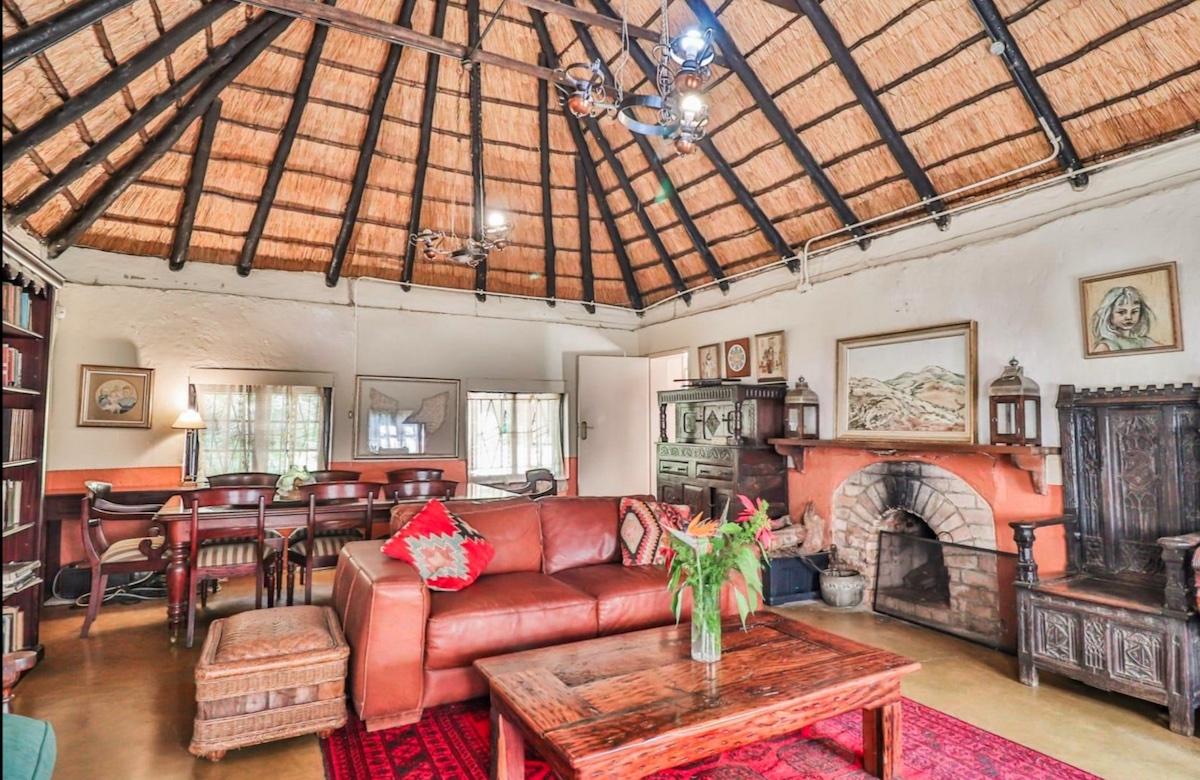
Inside Roodewal
After more than fifty years in the Tucker family, the property is being brought to market by Linda Tucker, a conservationist and founder of the Global White Lion Protection Trust, as she shifts her focus toward environmental advocacy. The estate encompasses 46 hectares of undulating bushveld and volcanic lookout points, with a small portion dedicated to avocado orchards. The landscape remains a habitat for rare bird species and bushbabies, preserved through a commitment to biodynamic agroecology rather than industrial farming. Located twenty minutes from the amenities of Nelspruit and White River, Roodewal stands at the intersection of architectural heritage and ecological preservation in the Lowveld.
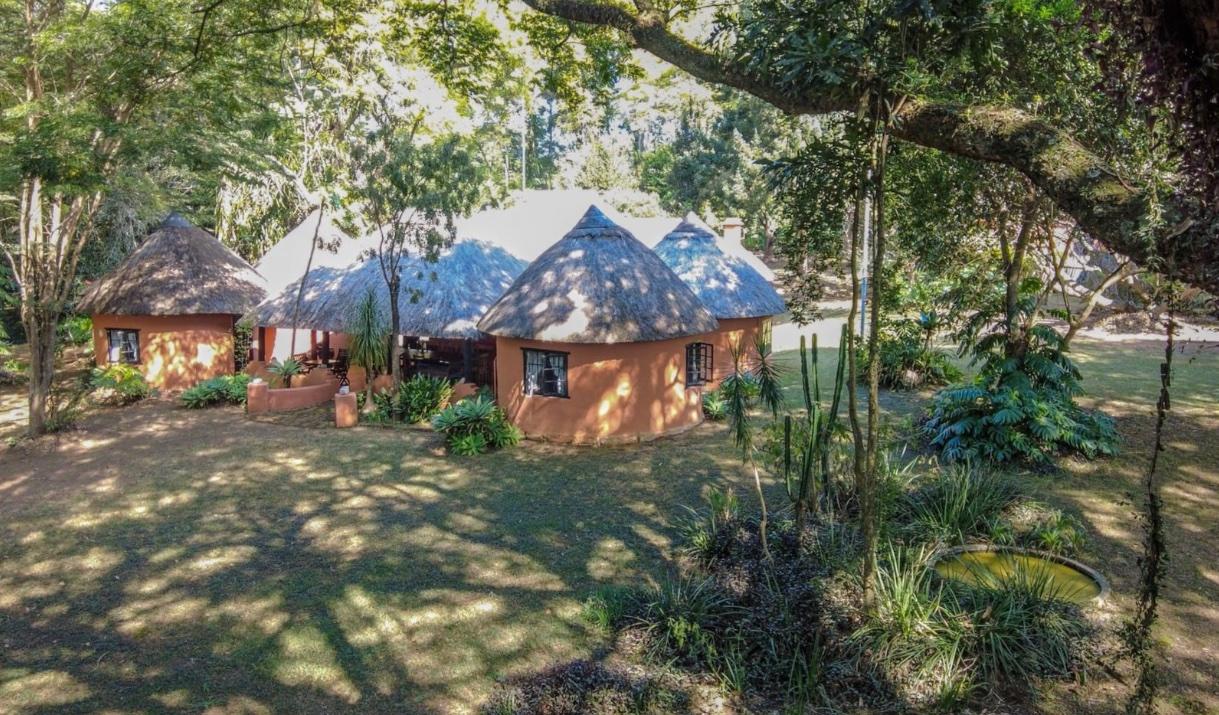
Roodewal from a distance
Linda Tucker is a leading environmentalist and Founder/CEO of the Global White Lion Protection Trust.
Comments will load below. If for any reason none appear click here for some troubleshooting tips. If you would like to post a comment and need instructions click here.