
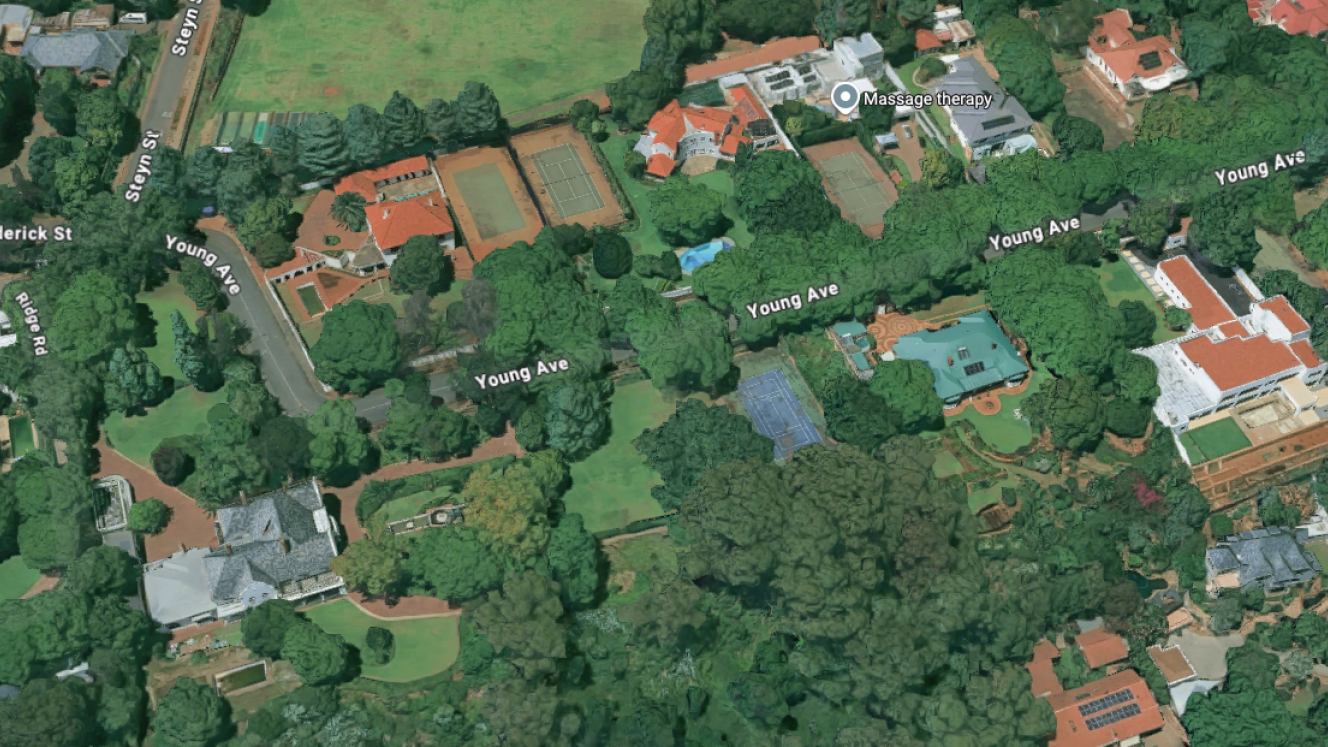
We write as the residents of Young Avenue – the people who actually live here, who wake up on this street every morning, who sweep its pavements, plant its gardens, and who are working tirelessly to remedy the situation at the abandoned Department of Public Works properties that have become the subject of Daily Maverick's recent coverage (click here to view).
We appreciated the attention brought to the state’s failure at 17 and 35 Young Avenue. That story needed telling, and we are glad it was. But we write because both pieces left us with a profound sense that the fuller, truer, more human story of this street was not told – and we believe it is a story worth telling.
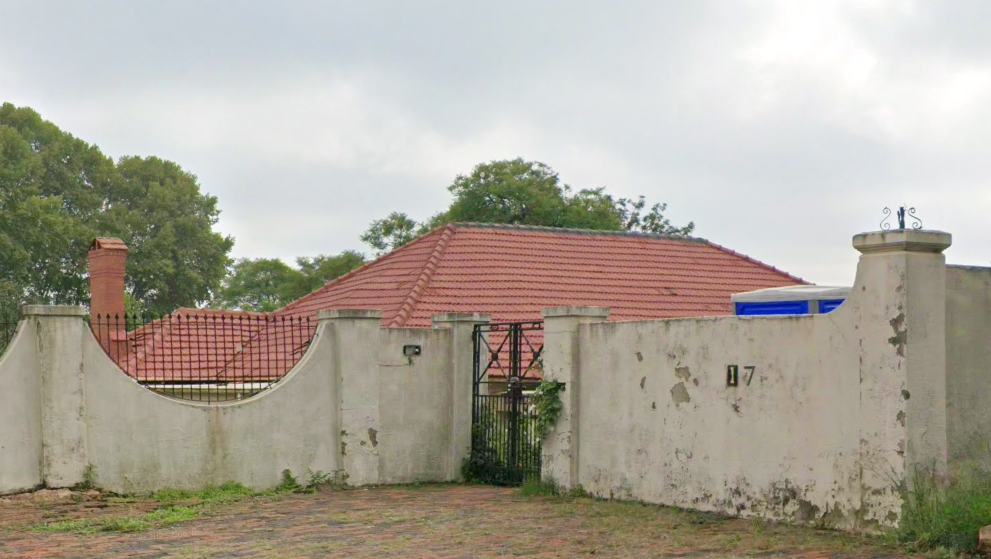
17 Young Avenue (Google Street View)
Young Avenue is not a street in decline. It is a street of strong community that is actively confronting its challenges – and that is a very different thing. Yes, there are problem properties: numbers 9 and 30, whose owners are not complying with municipal bylaws and whose conduct we have repeatedly reported to the relevant authorities. The overwhelming majority of homes on this street, however, are beautiful, lovingly maintained, many of them heritage properties that residents have poured their hearts and savings into restoring over the past decade.
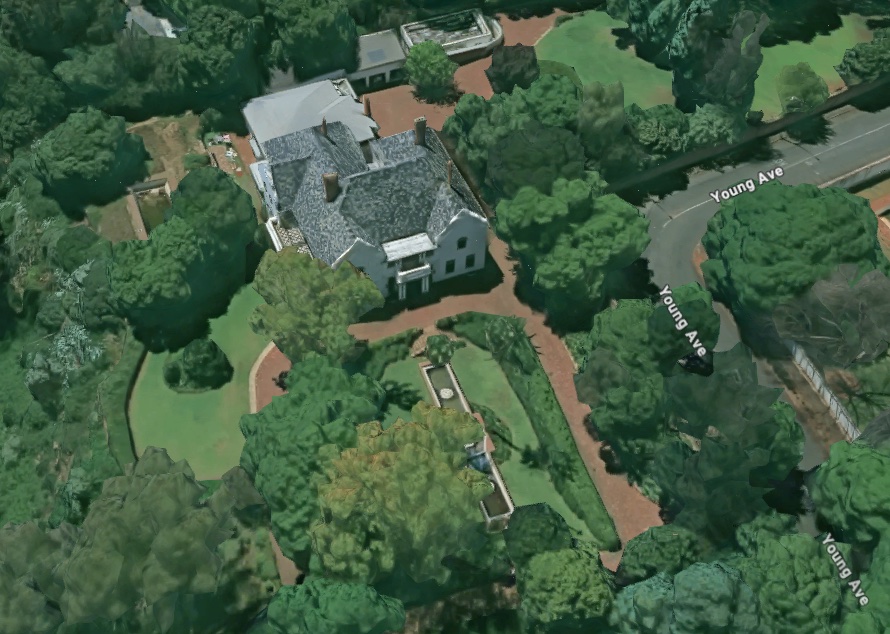
One of the grand mansions of the area (Google Maps)
We are a mixed, multigenerational, proudly South African community. We know each other by name. We know each other’s children. We gather in each other’s homes. On this street you will find professionals, artists, educators and business people – people who want to defend Johannesburg and this neighbourhood and see it flourish.
Every week, we employ two gentlemen to sweep, clean and care for our pavements through the Young Avenue Pavement Project – including, pointedly, the pavements directly outside the neglected DPW properties. This year has seen a record number of residents contributing financially to this initiative. We report and remove illegal dumping. We propagate succulents and plant pavement gardens – not because anyone asked us to, but because we believe beauty matters. Because we believe this city is worth it.
We have spent years engaging the Department of Public Works, writing letters, making calls, alerting officials to vandalism in real time – often in the middle of the night. Earlier this month we wrote a formal community letter to Minister Macpherson, signed by residents from 33 households, demanding urgent intervention. We fund our own CAP security patrols. We watch out for one another.
This is what active citizenship looks like. This is what loving your city looks like. And it does not make the headlines.
The article does quote the residents’ association saying that “had it not been for us, the Yeoville decline creep would long have taken over Upper Houghton.” That is true – and it is remarkable. But it appears as a footnote, buried beneath a narrative of decay, rather than as the extraordinary testament to community resilience that it is.
We also want to say this plainly: the framing of Young Avenue as a street being “fast turned into a dumping ground” is not an accurate description of this street. It is the experience of two state-owned properties that the government has abandoned, and a few others. Those properties are not us – and the contrast between what the state has allowed to happen on its land and what the residents of this street do every single day could not be more stark.
We sit within a nationally declared heritage area, on the Freedom Corridor, within the Houghton Ridge green belt, adjacent to one of Johannesburg’s great school precincts. We are the custodians of something rare and irreplaceable in this city – and we take that responsibility seriously, even when the state does not.
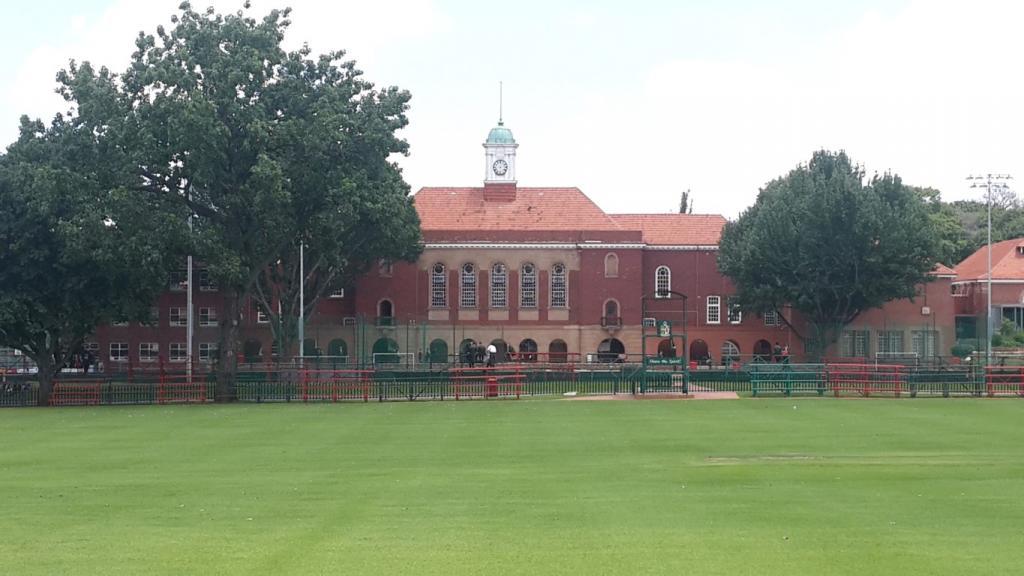
King Edward VII School (The Heritage Portal)
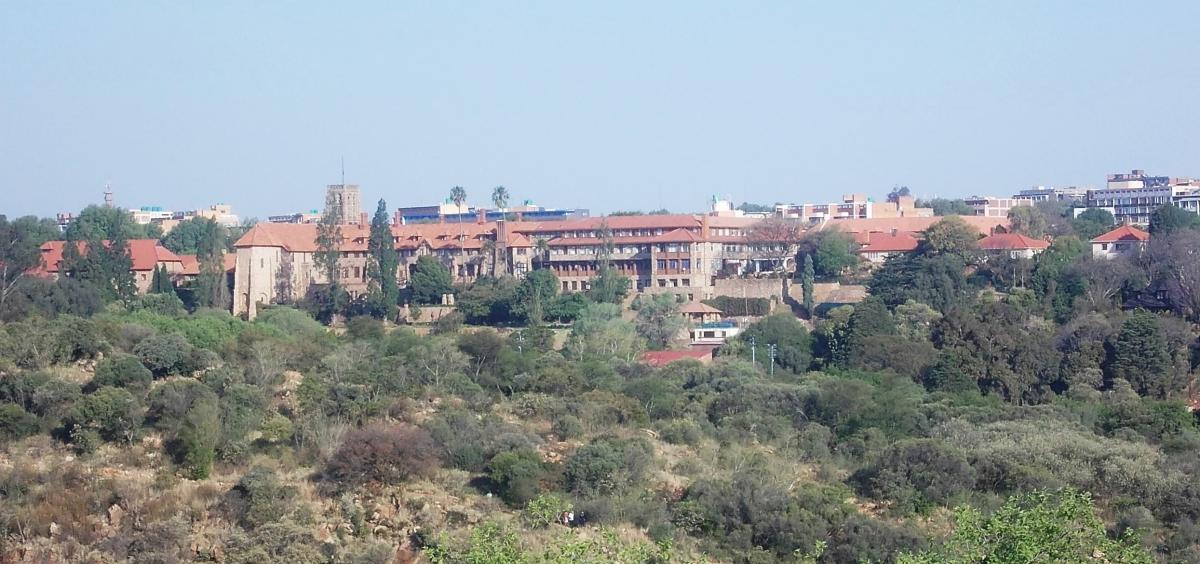
St John's College (The Heritage Portal)
We also want to say something to you as journalists: when holding the state to account – as you must, and as we support you in doing – please be careful not to sink the very communities that are keeping this city alive. Joburg needs hope as much as it needs accountability. It needs to know that people are still here, still fighting, still planting things. Stories of state failure matter deeply, but so do stories of what survives despite that failure – of communities that refuse to be defeated. That is the story that makes people believe change is possible. And right now, South Africa needs to believe that.
South Africa needs stories like ours right now. Not stories of people giving up, but of people who haven’t. Stories of a street where neighbours still know each other’s names. Where people plant things. Where a community writes a letter to a minister and means it.
We invite you to visit our street – the gardens, the restored homes, the pavement project, the people. We think it would make for journalism that stays with people and tells a different story about this city.
On behalf of the Residents of Young Avenue