
Disclaimer: Any views expressed by individuals and organisations are their own and do not in any way represent the views of The Heritage Portal. If you find any mistakes or historical inaccuracies, please contact the editor.
In this piece, journalist Lucille Davie evaluates Johannesburg’s development by contrasting her 2015 Saturday Star column with an update from 2026. The original article captures an era of civic optimism and emerging creative districts. A decade later, the trajectory has shifted significantly. Davie’s current assessment details a decline in public infrastructure and municipal governance, illustrating a city confronting systemic service failures. However, this comparison reveals that while state-led interventions have largely faltered, private sector and community-driven initiatives have emerged to fill the vacuum.
14 March 2015 - Jozi rewired
This crazy city of ours throbs along at a pace that is sometimes breathtaking, sometimes heart-wrenching, sometimes just plain exhausting. What would it look like as the perfect city?
In an article last year in The Guardian on “The 10 things a perfect city needs”, Paul Mason saunters through what makes a perfect city.
He reckons it should have theatres where you can “look across the stalls to celebrities”, bicycle lanes and trams, and a heavily regulated taxi system as efficient as the smartphone taxi service Uber.
The perfect city must be happy with its Victorian and Edwardian architecture and re-imagined old factories and warehouses; it must be ethnically mixed, tolerant and women-friendly.
Mason cites a city in northern Spain that “plasters the streets with ever-more inventive propaganda against sexual harassment, domestic violence and general sexism”.
If the city must have slums, they should be organised and policed and be stepping stones to upward mobility. It must have a democratic political culture that sees residents out on the street, having vociferous arguments in squares, but which also keeps police demilitarised and in check, allowing for the easy assimilation of migrants and the emigration of its citizens globally as representatives.
So, how does Joburg measure against these standards? Our theatres are good, my favourite being the Market, where I do see the occasional celebrity. Bicycle lanes are happening, although I’m not ready yet to ride the roads, not until taxi drivers obey the rules of the road.
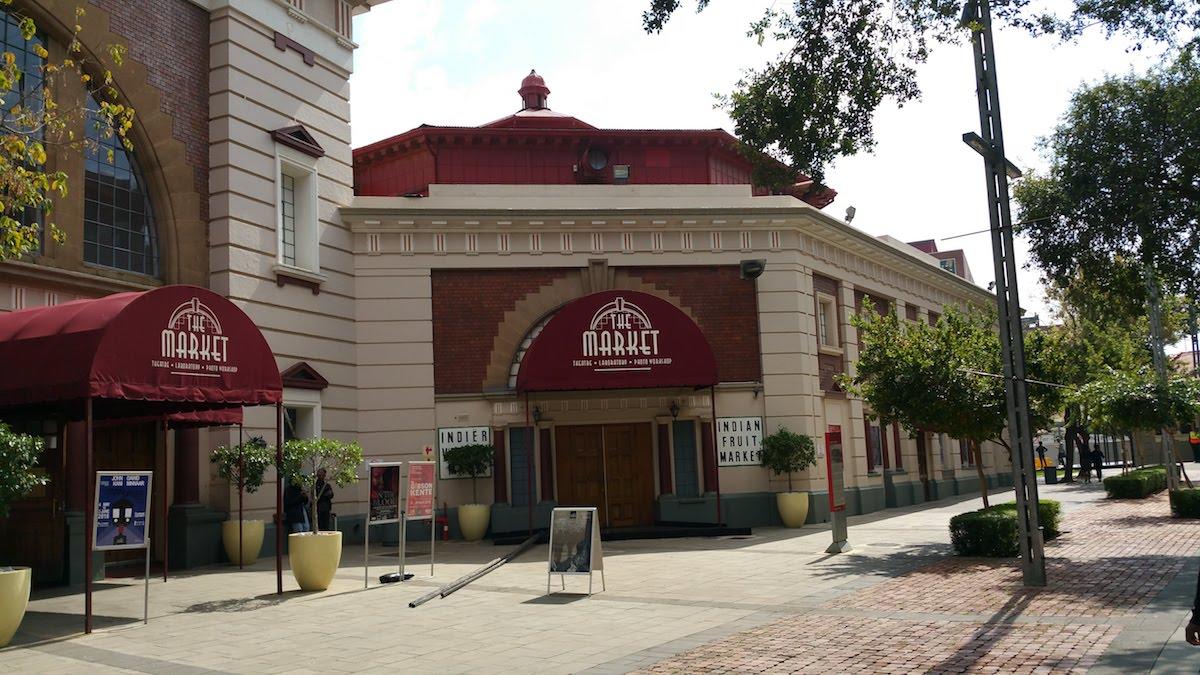
Market Theatre (The Heritage Portal)
We have Uber, which is smart and vibey and quick.
Museum Africa is a good example of revamped Edwardian architecture that sits grandly in the city, and revamped warehouses and factories have been reborn into Maboneng and at The Sheds on either side of the central business district.
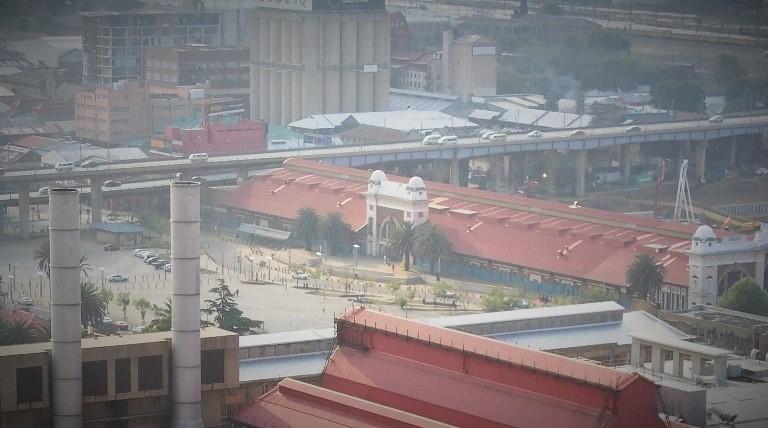
Museum Africa (The Heritage Portal)
We have some way to go to make our city more friendly to women, but I like the idea of a prolonged campaign of billboards and posters condemning sexual violence, reckless driving, littering and xenophobia.
Our government’s policy is to move people from slums and informal settlements to formal housing. Housing projects like Fleurhof have done that and more are to follow.
Do we have a democratic political culture that has us on the street in loud arguments?
Yes, of course, even if at times we’re too violent about it. Assimilating foreigners has been happening peacefully for the past two decades. Little Ethiopia in the CBD is evidence of this.
But, recent waves of xenophobic attacks on foreigners leave an ugly scar.
Mason has more. The perfect city should have suburbs designed around hipster economics as hipsters “are crucial signifiers of a successful city economy”.
These typically contain vintage clothes stores, a microbrewery, a gay club, burger joints, home-brew coffee bars and small workshops for creative microbusinesses. Maboneng comes pretty close to this.
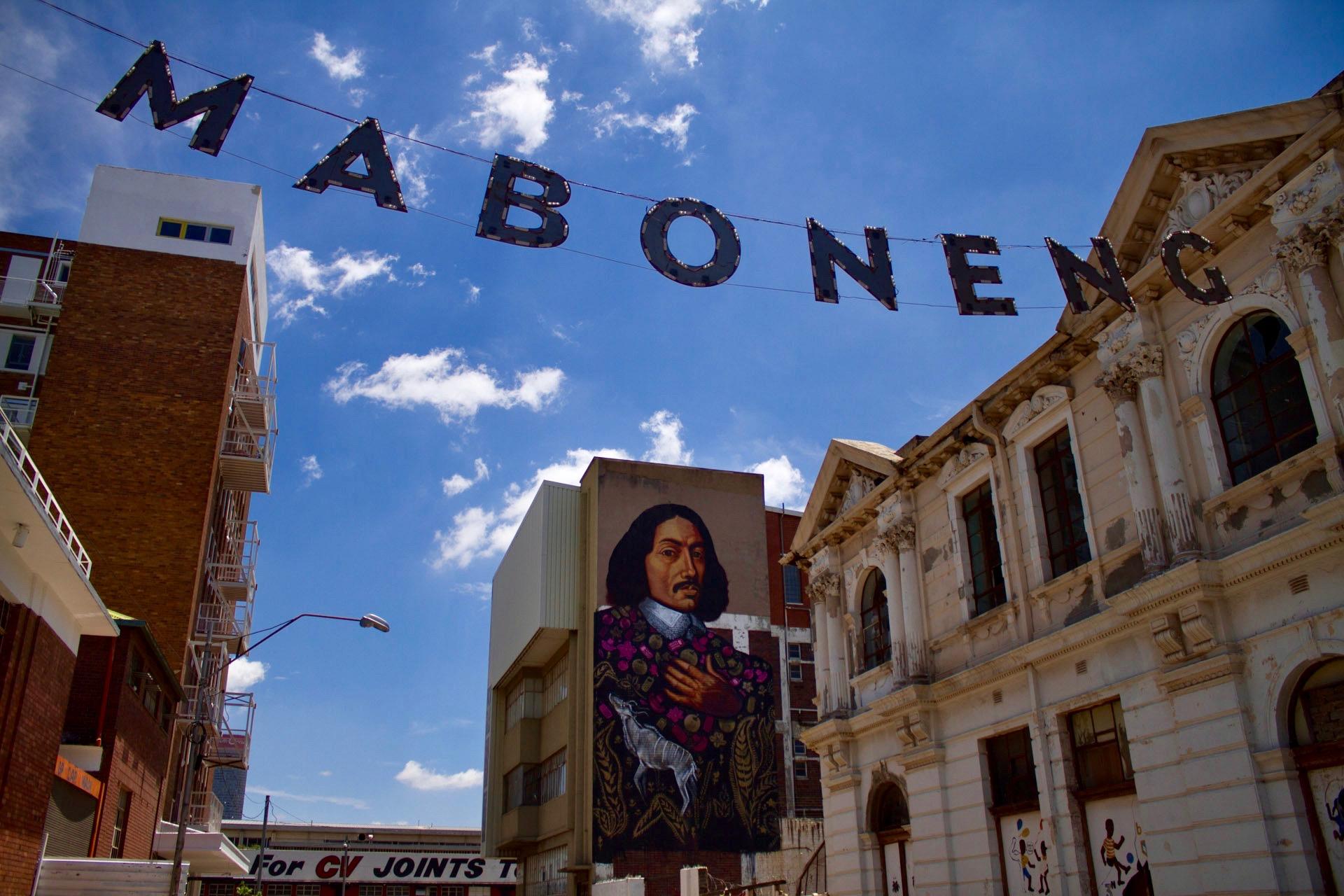
Maboneng (Mark Straw)
Mason says the perfect city should have a “finance sector [that] has to be big enough to mobilise global capital and local savings, but not so big that it allows the global elite to run things through their usual mixture of aristocratic men’s club and organised crime”.
Joburg is the financial hub of the country, with the stock exchange and the country’s wealthiest citizens and some suburbs, like Bedfordview, the flashpoint of organised crime.
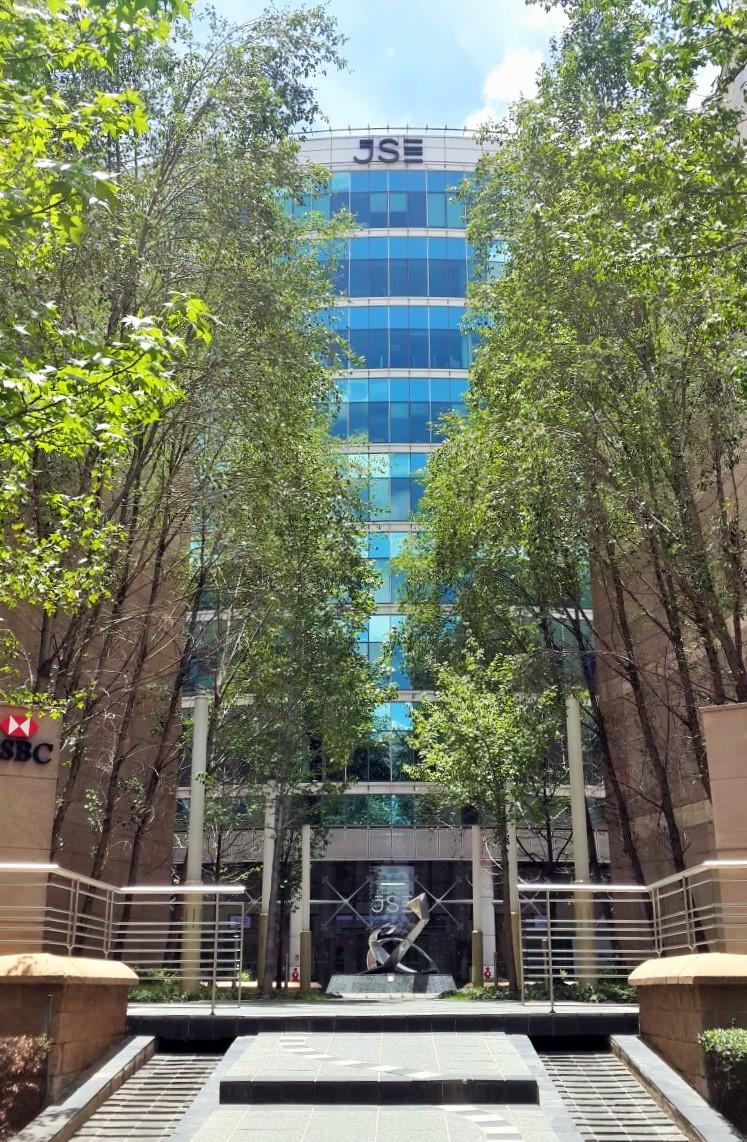
JSE Sandton (The Heritage Portal)
Mason also believes the perfect city should have “a massive ecosystem of gay, lesbian, transgender, BDSM and plain old sleazy heterosexual hangouts: clubs, bars, dancehalls, cabarets and dimly-lit alleyways and grassy knolls in between”.
Joburg doesn’t have such an ecosystem, but it reminds me of what architect Fanuel Motsepe said when I asked him what his perfect city would look like: “Joburg desperately needs a red-light district.” He believes if such a district existed, it would be easier to improve the safety of sex workers and control the abuse they face.
Motsepe would also like to see more consultation with residents to create a more perfect city, to study our “human capital”.
“Human capital would give direction on where and how to create economies and jobs.”
Motsepe says Joburg could be improved with more visible policing, “on the scale of other great cities of the world”. He’d like to see more public space – more gardens and squares in the CBD.
He would like to demolish some of the buildings north of Beyers Naude Square to double the size of the square. Essential, especially as 20 000 people are living in the city.
“I would like to design the city around children, which would also go a long way in addressing what adults and the elderly need,” he says. This would mean making the city safer and cleaner.
Motsepe believes strongly that designers and companies involved in the city should stop using precedents from overseas, and should examine more the patterns of movement of Joburgers, and to understand them and who they are and what they need.
I asked a city official, Sharon Lewis, the executive manager of planning and strategy at the Joburg Development Agency, what she saw as the perfect city. “Trees, lots of them to shade and cool and shelter.”
Also, places to watch people and places to see ordinary people, and places to see ordinary people going about their lives. And places to take photographs. “I love the views of the landscape, beautiful buildings and structures . . . and public art.”
And, “good and bad spaces, rich and poor neighbourhoods; and bustling and quiet places: providing spaces for my every mood".
The perfect city, for Lewis, must be a place where there is respect for the past, with museums depicting Joburg’s history and providing reminders of the lessons learnt. The Apartheid Museum, the Origins Centre, the Hector Pieterson Museum, the Constitutional Court, Liliesleaf, fulfil that goal. The perfect city must give residents “a sense of hope and enthusiasm for the future”. Does Joburg do that? Or is it just a place to survive from day to day?
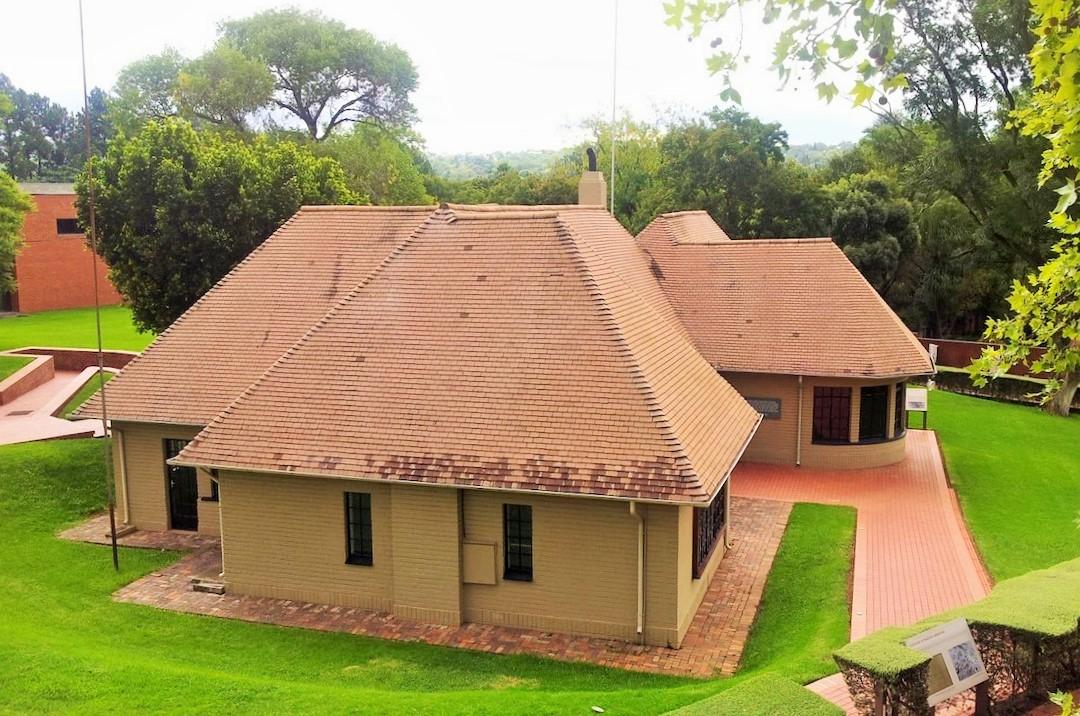
Liliesleaf (The Heritage Portal)
Twenty-something architect Karabo Mokaba says the perfect city must be “multilingual, multicultural and diverse”. It must have tall buildings. “There is something I enjoy about New York and Hong Kong, a sense of built presence.” The city should be a holistic animal, a “place where all ‘ingredients’ from daily activities are re-used”.
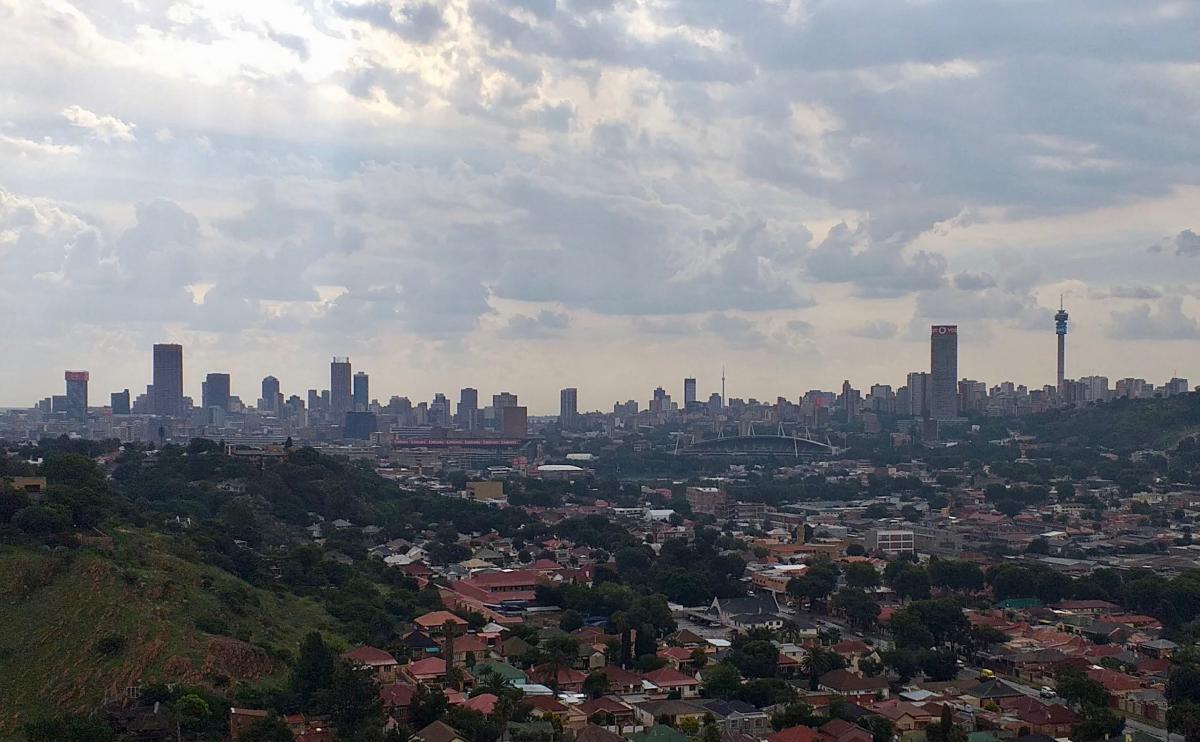
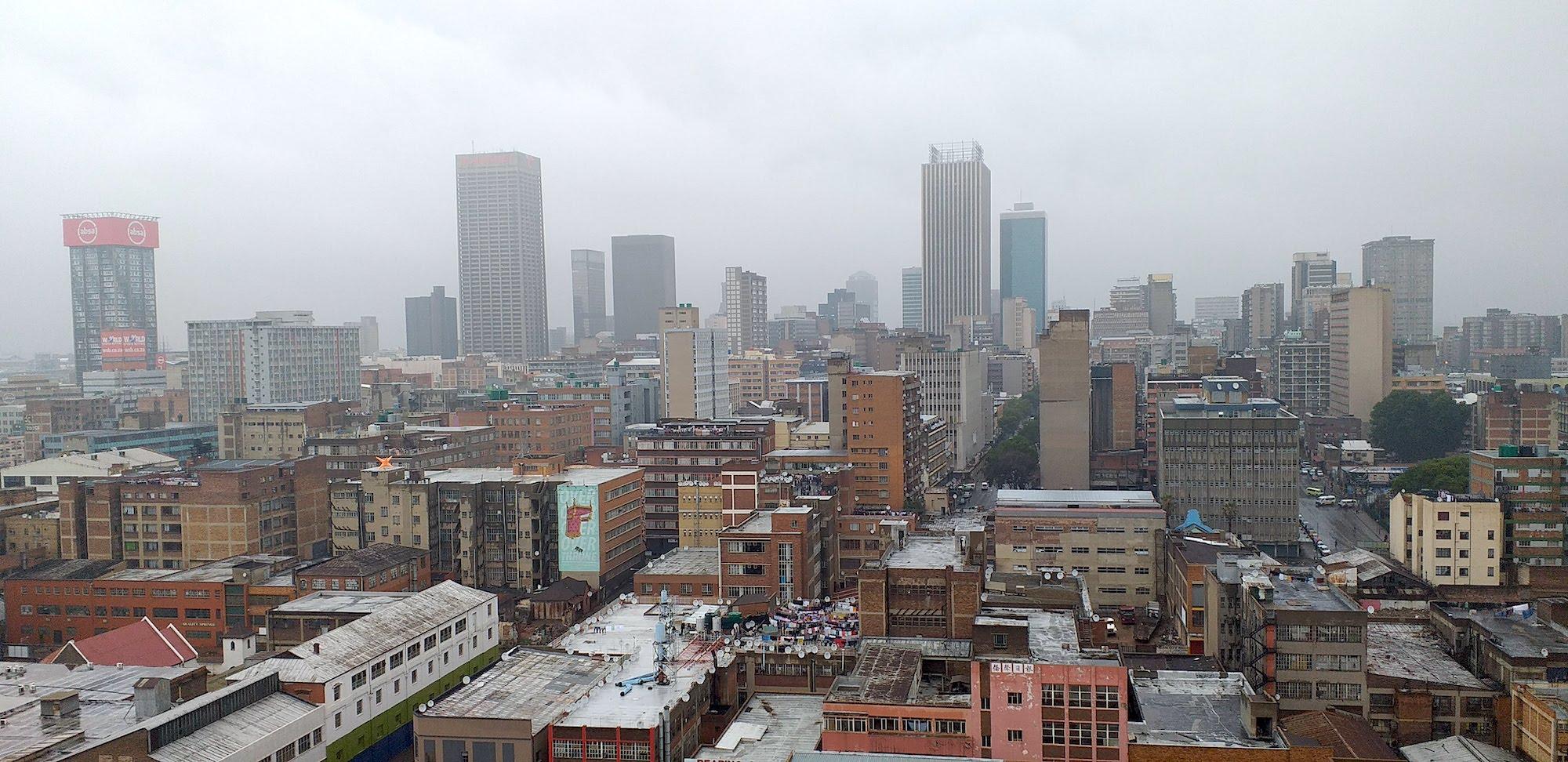
The Skyline of Johannesburg (The Heritage Portal)
Last year I quizzed art entrepreneur Lesley Perkes, who died far too young last month, about her perfect city, and in her typical generous and caring way she said: “My perfect Joburg would have a mayor who encourages us to be ourselves and celebrates us for who we are.
“My perfect Joburg has police who help old ladies across the road, fix the street traders’ tables that are falling down and makes sure that if Pikitup don’t come and clean, the metro police help out to make sure we can eat off the floor.
“My perfect Joburg is where I [can] walk at 2am from Troyeville to Maboneng and from Maboneng to Hillbrow to go dancing at the top of the tower.
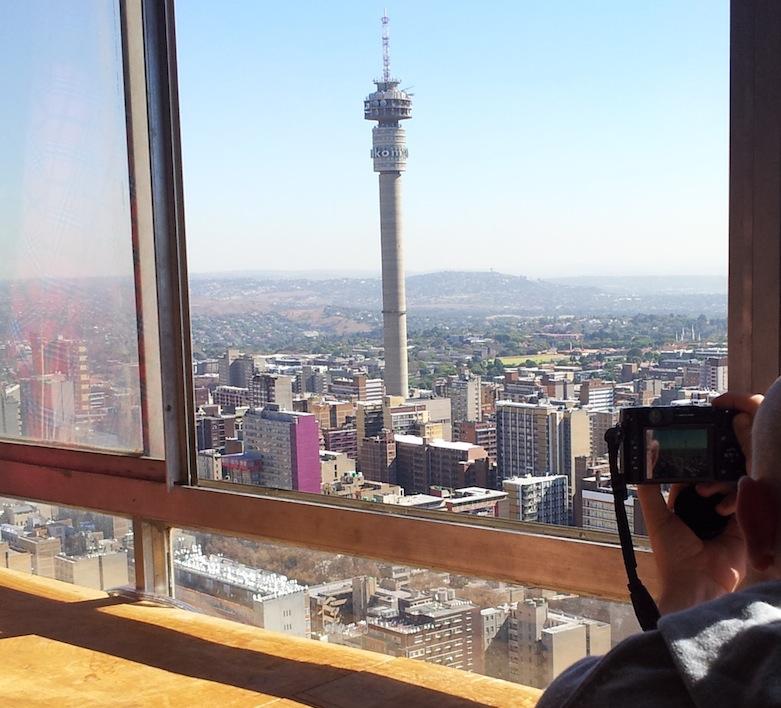
Hillbrow Tower (The Heritage Portal)
“In my perfect Joburg all the homeless children and old people have homes and are not sleeping beneath Joe Slovo Bridge or in the park next to my house.
“My perfect Joburg has a gentle side to it not seen since someone found gold here and the place went berserk.”
Update, 3 June 2026
Well, 11 years after I wrote this article, how does Joburg measure up to being the perfect city?
From a scattered collection of tents and wagons 140 years ago on a treeless stretch of veld, to this metropolis that burgeoned into an urban forest and the country’s financial backbone, but riven by apartheid spatial planning, Johannesburg feels like it has run into a brick wall.
If you had to stop people in the street, very few or none would say it’s a perfect city, with the usual suspects everywhere - potholes, faulty traffic lights, avenues of dark streets, service delivery failures, and a general air of disrepair and neglect. Hijacked buildings where people live in overcrowded apartments with no electricity and running water, with taxis overrunning the city’s streets - it does not make for a city that feels good about itself.
I often wonder if the city council officials care about residents and their needs. Many would say they are pretty smart about their own needs which include enriching themselves endlessly. But when is enough enough? They also live in this city – does it not upset them to constantly dodge potholes, drive down dark streets, cross faulty traffic intersections with some risk, witness beggar after beggar at intersections, see piles and piles of rubbish on streets in neglected inner-city neighbourhoods, or homeless people sleeping under bits of cardboard wherever they can find a place out of the rain.
But nonetheless, there are sparks of optimism, largely driven by the private sector. There are scattered bookshops throughout the inner city, offering city dwellers a place of quiet reading and reflection. Public pressure has meant the opening of the central library on Beyers Naude Square, after too many years of excuses for why it wasn’t operational.
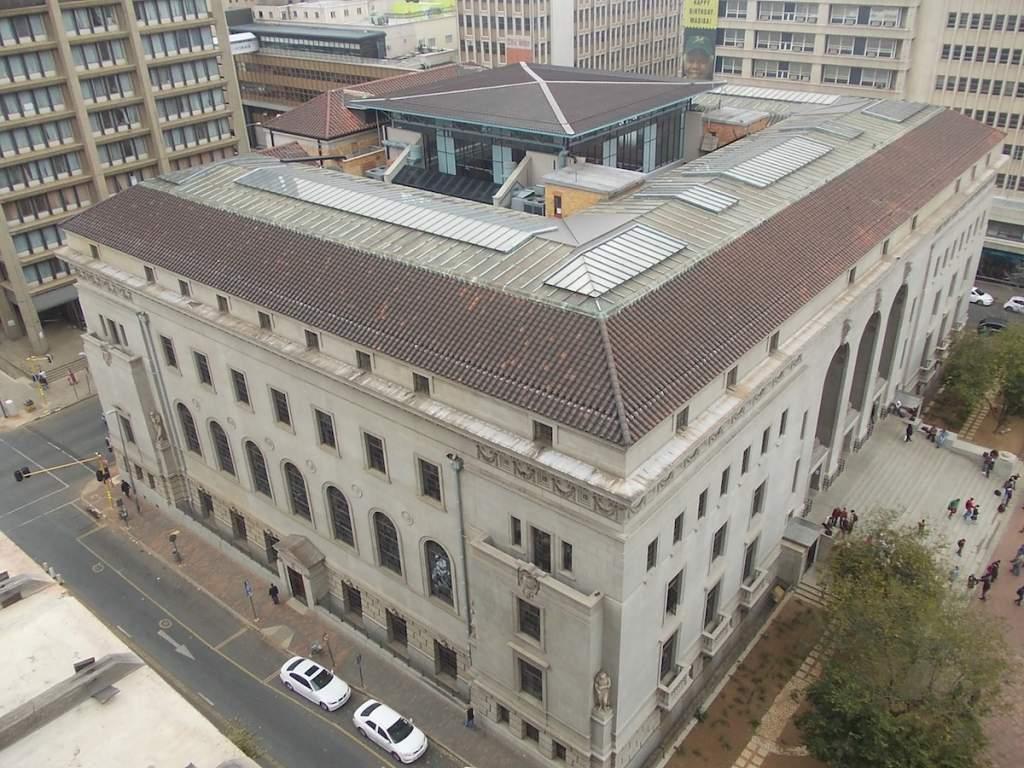
Central Library (The Heritage Portal)
At last it seems, again under public pressure, the city is going to fix the Johannesburg Art Gallery, at one time a showpiece of art and culture, now seriously on life support from neglect and poor maintenance.
One of the most exciting initiatives in the inner city is the opening of the Maharishi Invincibility Institute, a university for youngsters who can’t afford university fees. It offers students a range of relevant qualifications – Cybersecurity, Digital, Financial Markets, Insurance, Entrepreneurship, Green Industries, Global Business Services, and more, with students studying through bursaries and sponsorships, or the Institute’s Learn and Earn model.
Maharishi has brought new, youthful energy to the western side of the CBD,. Why, there is even a soccer field in the middle of the city, a historic first!
JoziMyJozi is also revitalising the city, with initiatives ranging from improving life for taxi drivers in the city, tackling homelessness, adopting a park or a traffic light, or an inner-city school, and so much more. They have fixed our gateway into the city, the Nelson Mandela Bridge, and are aiming to get the neglected Rissik Street Post Office re-opened.
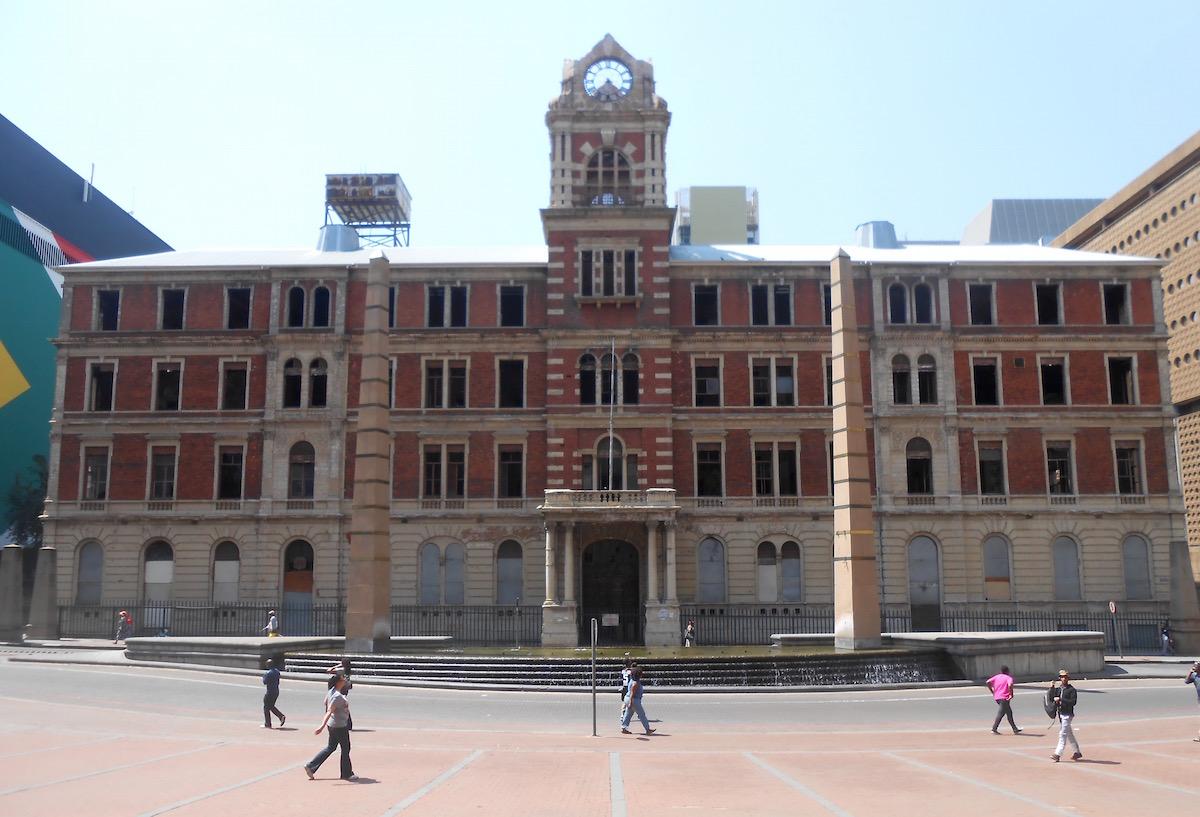
Rissik Street Post Office (The Heritage Portal)
And, a great initiative was the closing of 10 blocks of Main Street a month ago. It was a carnival atmosphere, with people joyful at enjoying their city, walking with cellphones in hand, clicking happily at the scenes before them, and having fun with bikes, skateboards, paint, art, music and so much more.
With these initiatives Joburgers can regain a sense of hope, dignity, and a window to achieving their full potential.
Maybe in time, a long time into the future (or not so long with these initiatives), we will become a near perfect city for all for the first time.
From 2012 to 2015 Lucille Davie wrote a monthly column called Jozi Rewired for the Saturday Star. This is one of the columns. Others can be found at https://www.lucilledavie.
Comments will load below. If for any reason none appear click here for some troubleshooting tips. If you would like to post a comment and need instructions click here.