
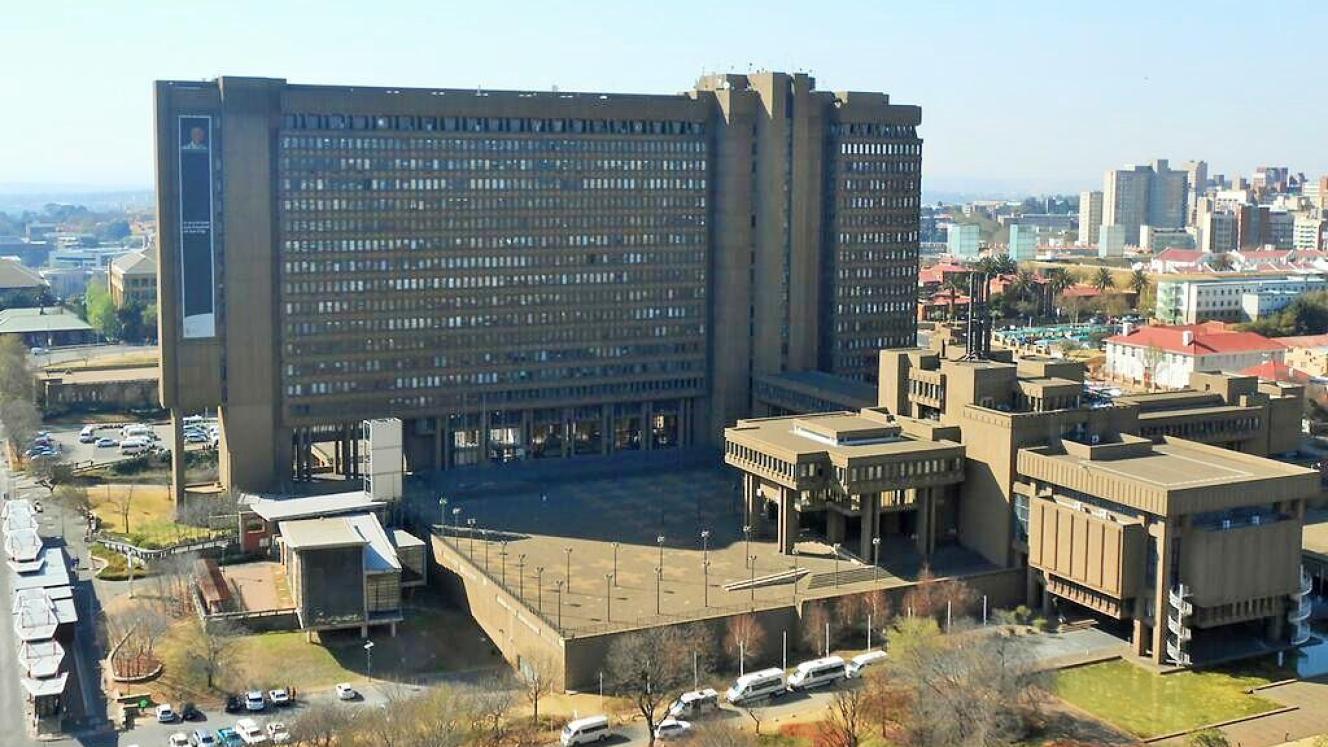
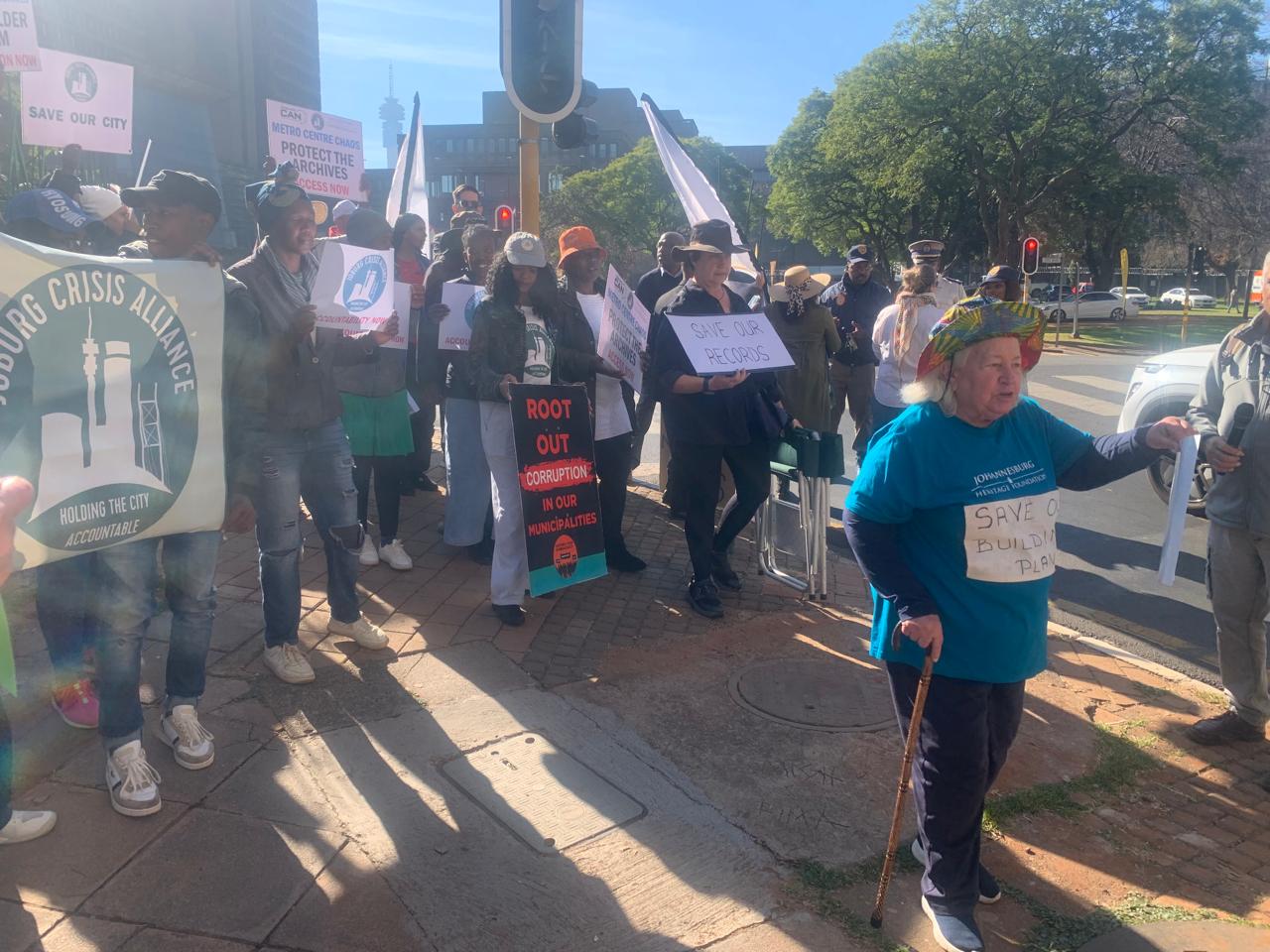
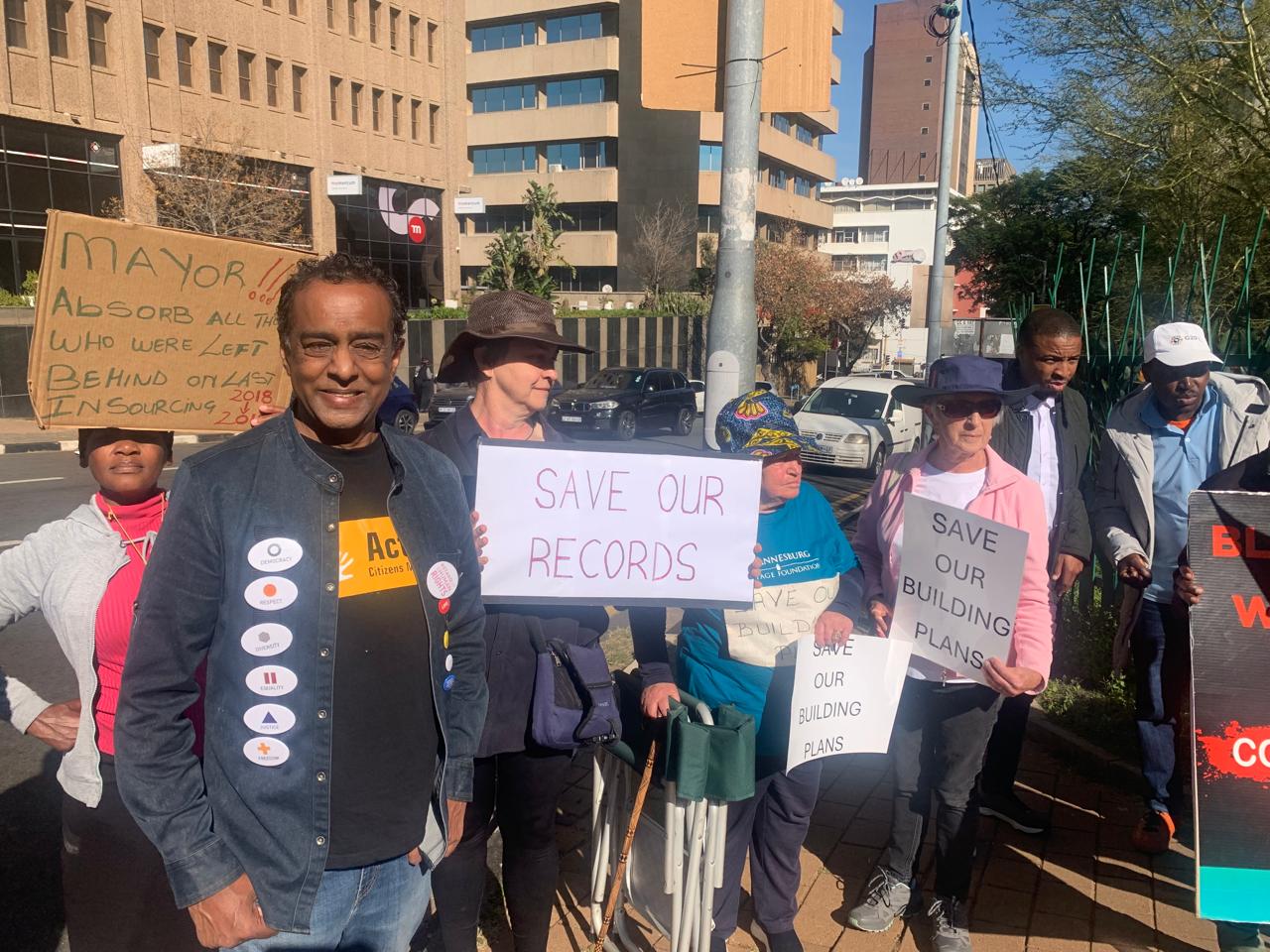
Last week a coalition of heritage organisations, architects, civic groups and concerned citizens gathered outside Johannesburg's Civic Centre to protest a crisis that should concern every resident of the city. Our focus in this protest was to Save the Plans archive of the city of Johannesburg left mouldering in the basement of the now abandoned Metro Centre. It is an archive that comprises millions of documents – plans of all of the buildings of the City of Johannesburg dating back 140 years. It is ironic that the City which celebrates it 140 years of existence no longer has the capacity to care for the documentary evidence of the foundation, planning and growth of Johannesburg over 14 decades.
The Crisis Alliance led by Yunus Chamda, the Gauteng Institute of Architects led by Krynauw Nel, the Johannesburg Heritage Foundation led by Flo Bird, Johannesburg Community Action Network (CAN) led by Julia Fish all spoke at a representative gathering of these bodies. We are all citizens activist groups with a common mission - the City of Johannesburg – its past, its present and its future.
A crisis in the city of Johannesburg’s archive of plans has become apparent as the great Metro Centre on the Hill has been closed to normal business, offices have been shut and the City of Johannesburg has shifted to operating from rental accommodation.
Beneath the now largely abandoned Metro Centre lies one of Johannesburg's greatest yet least appreciated treasures: the archive of building plans that documents the growth and development of the city over almost 140 years.
Stored there are millions of plans, drawings, maps and records relating to houses, schools, churches, factories, offices, hospitals, civic buildings and infrastructure. Together they form the documentary history of Johannesburg's built environment and the record of the people who imagined, designed and built the city. The city started in Randjeslaagte, that triangle that fell between the original farms Doornfontein, Turffontein, Braamfontein – themselves products of trekker Boer settlers of the mid 19th century. The core of the city lay on market square and the lay out of the city was planned on a grid pattern radiating out from the central Market square containing the government offices, the market, and the post office. The city rapidly grew in concentric circles from that initial one mile circumference to three and then 10 and then 12 within a matter of decades. Townships were shaped as farmland became suburbs and the mining camp and frenzy of this gold town became a settled and more orderly town and then city. All of it had to be captured in plans and maps – the surveyors, architects, township developers created the working framework for a town that within ten years had become the home for 100 000 people.
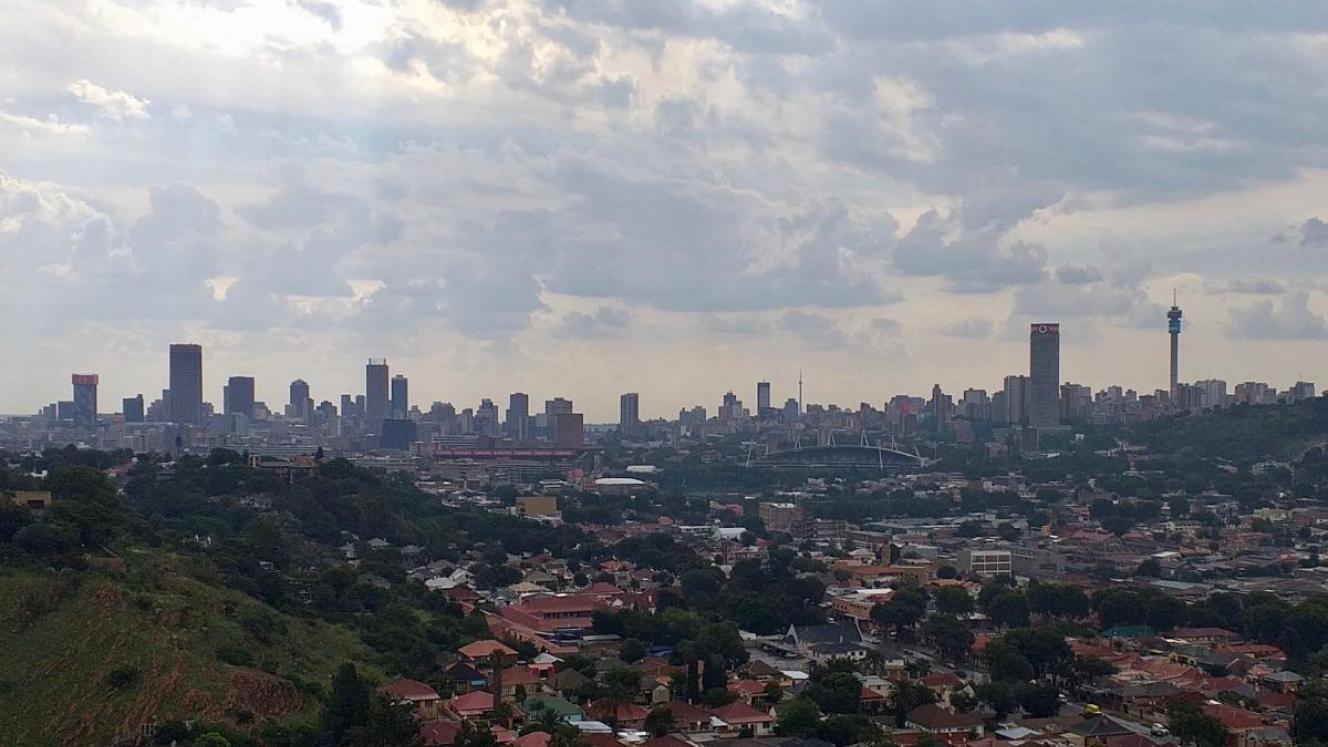
It was always a complicated process and layout of the City as gold mines to the south and a rail network in the north of the CBD confined and shaped possibilities and made this a skyscraper city within decades. We still live with the consequences of the undermining of the city the sinkholes and the presence of zama zama miners along Wemmer Pan road is another story. Suburbs quickly expanded beyond Doornfontein in all directions and new wealth came from property development.
Today the city covers 1 645km² with an official population of approximately 4.8 million people. It’s a vast metropolitan area extending across all compass points to over 6 million people. The city has always been a magnet for the migrant, but they have settled and built homes, schools, churches. This is our heritage and behind those numbers are building plans.
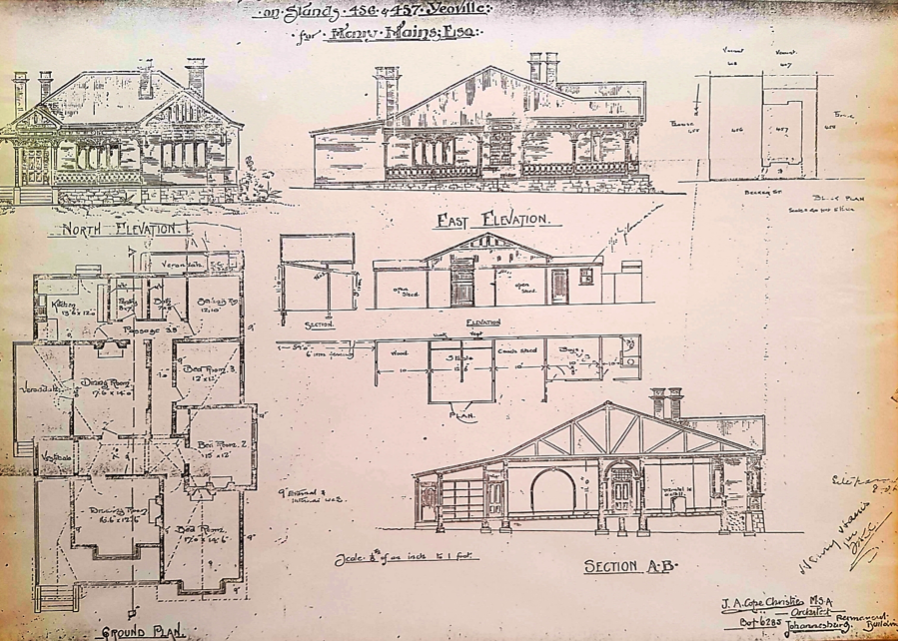
To many people, a building plan is simply a technical document. It is much more than that. A building plan is a passport to the past.
Every drawing tells a story. It records the vision of a client, the skill of an architect, the work of engineers and builders, and the approval of the municipality charged with shaping the city. Collectively these plans reveal how Johannesburg grew from a mining camp founded in 1886 into Africa's premier metropolis.
The archive is a record of the lives of ordinary citizens and extraordinary institutions. It tells us where people lived, where they worshipped, where they worked and where their children were educated. It documents neighbourhoods, suburbs, industries and communities. It reveals changing fashions, technologies and aspirations.
Most importantly, it preserves the memory of the city.
Within these collections lies the work of generations of architects whose creativity shaped Johannesburg. The names on the plans include Emley and Leck, Emley and Williamson, Sir Herbert Baker and Francis Fleming, Cook and Cowen, John Moffat, Howden and Stewart, Hermann Kallenbach, Kennedy and Furner, the Obel Brothers, Mallow, Lowe and Hoffe, Revel Fox, Harold Le Roith, and countless others. They were the pioneers of the built environment. Every signature represents professional skill and creative endeavour. Every drawing captures a moment in the making of Johannesburg.
The city may be only 140 years old, but its architectural history is remarkably rich, energetic and diverse. Few cities anywhere in the world experienced such rapid growth and transformation. Architecture was central to that process, giving physical form to Johannesburg's ambitions, industries, institutions and communities.
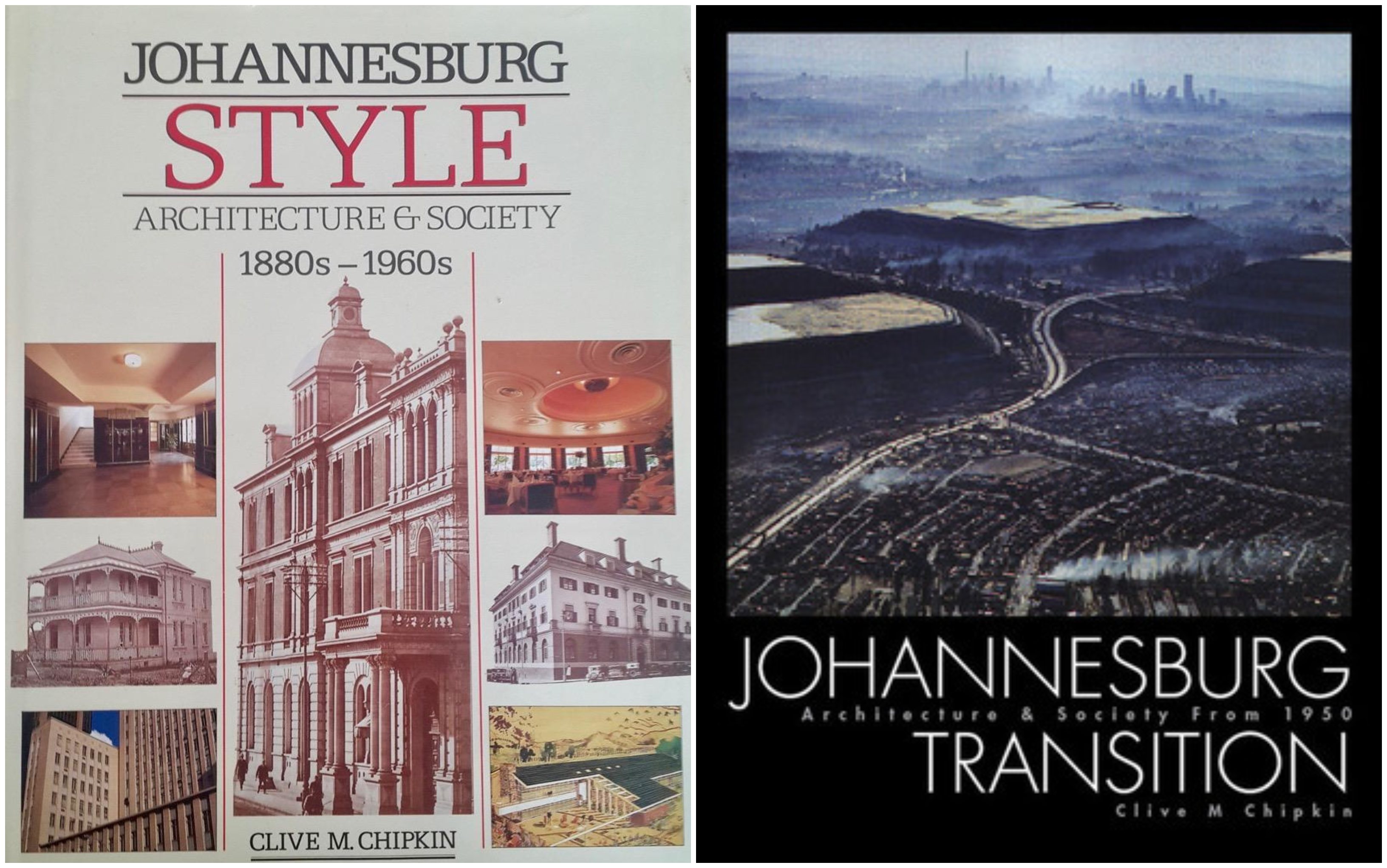
Much of what we know about this history has been documented by architectural historian Clive Chipkin in his two monumental studies of Johannesburg's architecture and urban development (Johannesburg Style and Johannesburg Transition). The city itself has documented its history in the celebratory years. I personally own over 400 books on Johannesburg’s past and present and it’s a treasure trove of information. Yet historians such as Chipkin depend upon the survival of primary records. The plans themselves are the evidence. Without them, future scholarship becomes poorer, and future generations inherit a diminished understanding of their city.
The significance of the archive extends beyond heritage.
For today's architects, every plan lodged with the municipality represents a relationship of trust between three parties: the client who commissions a building, the professional practitioner who transforms a vision into a liveable reality, and the City which serves as custodian of the public record and guardian of orderly urban development.
The preservation of plans is therefore not merely an administrative function. It is a sacred trust.
Property owners rely on these records. Architects rely on them. Researchers rely on them. Municipal officials rely on them. Future generations will rely on them. For each of these stakeholders, a past recorded plan is necessary to make changes, to build anew. Even demolitions require past plans so that there is some reasoned assessment of the value or irrelevance of past buildings. 140 years after its foundation a city cannot wipe the physical slate of the city clean and say it does not matter or we can start again. This is the way the past is lost, the identity of all is lost and the future is compromised.
When that trust is broken through neglect, the consequences extend far beyond damaged paper. Confidence in public administration is undermined. Professional records are endangered. The documentary history of the city is weakened.
The City of Johannesburg has argued that the future lies in digitisation and online access to building plans. In principle, this is entirely welcome. Easier public access, improved administration and the creation of digital records are objectives that should be supported by all stakeholders.
However, digitisation is not preservation. While a small start appears to have been made, the task of digitising millions of plans is immense and will require a long-term commitment of resources and expertise. Before digitisation can proceed on the scale required, the archive itself must first be rescued, stabilised and properly managed. Documents that are damaged, disordered or deteriorating cannot simply be scanned and forgotten. We need professionals with proper resources on the job.
Moreover, the original plans are themselves valuable heritage artefacts. Many are hand-drawn architectural renderings, coloured elevations, survey diagrams and linen-backed plans carrying original signatures, annotations, municipal stamps and revisions. They are unique historical objects that document not only buildings but also the professional practices, technologies and craftsmanship of their time.
A scanned image is a useful copy; it is not the original artefact. Heritage is not preserved by photographing it and throwing it away.
The challenge therefore extends beyond digitisation. It includes the long-term conservation of the physical archive itself — the quality architectural drawings on paper, the fragile tracing sheets, the rolled plans, the linen maps and the thousands of original documents that constitute Johannesburg's documentary heritage. The goal must be twofold: to create a comprehensive digital archive accessible to all, while ensuring that the original records are preserved as part of the city's collective memory and historical inheritance.
No library destroys manuscripts because they have been scanned. No museum disposes of paintings because photographs have been taken. No archive discards original maps because digital copies exist.
The objective must therefore be both preservation and digitisation.
The original plans, drawings and linen maps must be rescued, conserved, catalogued and professionally stored. At the same time they should be digitised and made readily accessible to homeowners, architects, planners, researchers and the public. This is not an extravagant demand. It is a basic responsibility of urban governance.
Cities are more than budgets, roads and service delivery. They are also repositories of memory. Their identity is embodied in landscapes, buildings, archives and records. The building plans beneath the Metro Centre are not simply administrative paperwork. They are the collective autobiography of Johannesburg.
The city now stands at a crossroads. It can continue to regard these records as forgotten documents occupying valuable storage space. Or it can recognise them for what they are: an irreplaceable archive of human achievement, professional endeavour and civic memory.
Johannesburg's plans are not merely pieces of paper.
They are the life story of the city.
And a city that allows its memory to decay in a basement risk losing part of its future.
Kathy Munro is an Honorary Associate Professor in the School of Architecture and Planning at the University of the Witwatersrand. She enjoyed a long career as an academic and in management at Wits University. She trained as an economic historian. She is an enthusiastic book person and has built her own somewhat eclectic book collection over 40 years. Her interests cover Africana, Johannesburg history, history, art history, travel, business and banking histories. She researches and writes on historical architecture and heritage matters. She is a member of the Board of the Johannesburg Heritage Foundation and is a docent at the Wits Arts Museum. She is currently working on a couple of projects on Johannesburg architects and is researching South African architects, war cemeteries and memorials. Kathy is a member of the online book community the Library thing and recommends this cataloging website and worldwide network as a book lover's haven. She is also a previous Chairperson of HASA.