

Carol Hardijzer's contribution to the study of South African photographic history has reached a significant milestone with the publication of his 100th article for The Heritage Portal. Over nearly ten years of writing for the Portal, this body of work, built largely upon the foundations of the Hardijzer Photographic Research Collection, functions as a digital archive that breathes life into the "mirrors with memory" produced between the mid-19th century and the mid-20th century.
His writing is characterised by a meticulous effort to identify the often-anonymous operators behind the lens, updating the historical record of pioneer photographers while simultaneously interpreting the social narratives captured in their frames. By focusing on formats ranging from the fragile Carte-de-Visite and Cabinet Cards to tintypes and magic lantern slides, Hardijzer has mapped out a visual evolution of the region that encompasses everything from the formal artifice of early Victorian studios to the candid, democratic snapshots of the 20th-century photobooth.
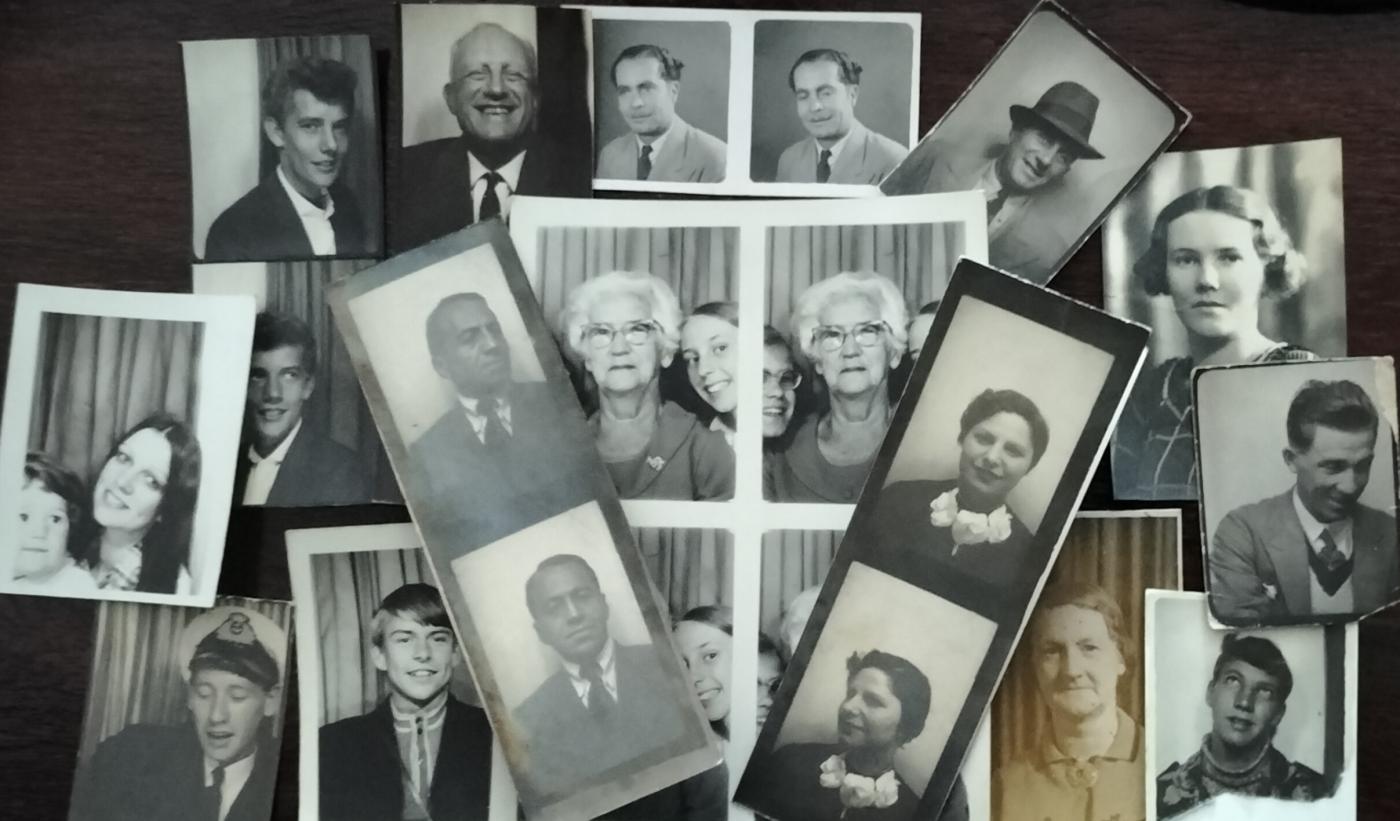
A photobooth compilation
A recurring theme throughout his work is the "rescue" of history from obscurity. Many of the narratives he explores begin with photographs salvaged from flea markets, rubbish dumps, or forgotten family albums. These discarded fragments are used to reconstruct lost lineages, such as the story of the Nattrass and Beadle families or the deep-level mining photography of the elusive Neilson brothers. His research often pivots between the technical and the sociological, examining how advancements in camera technology influenced who was photographed and why. This is evident in his explorations of "ethno-photography," where he analyses the complexities of colonial-era portraiture and its transition into the commercial postcard industry, as well as his studies on how war, specifically the South African War and Anglo-Zulu conflicts, was documented through stereo photographs and soldier sketches.
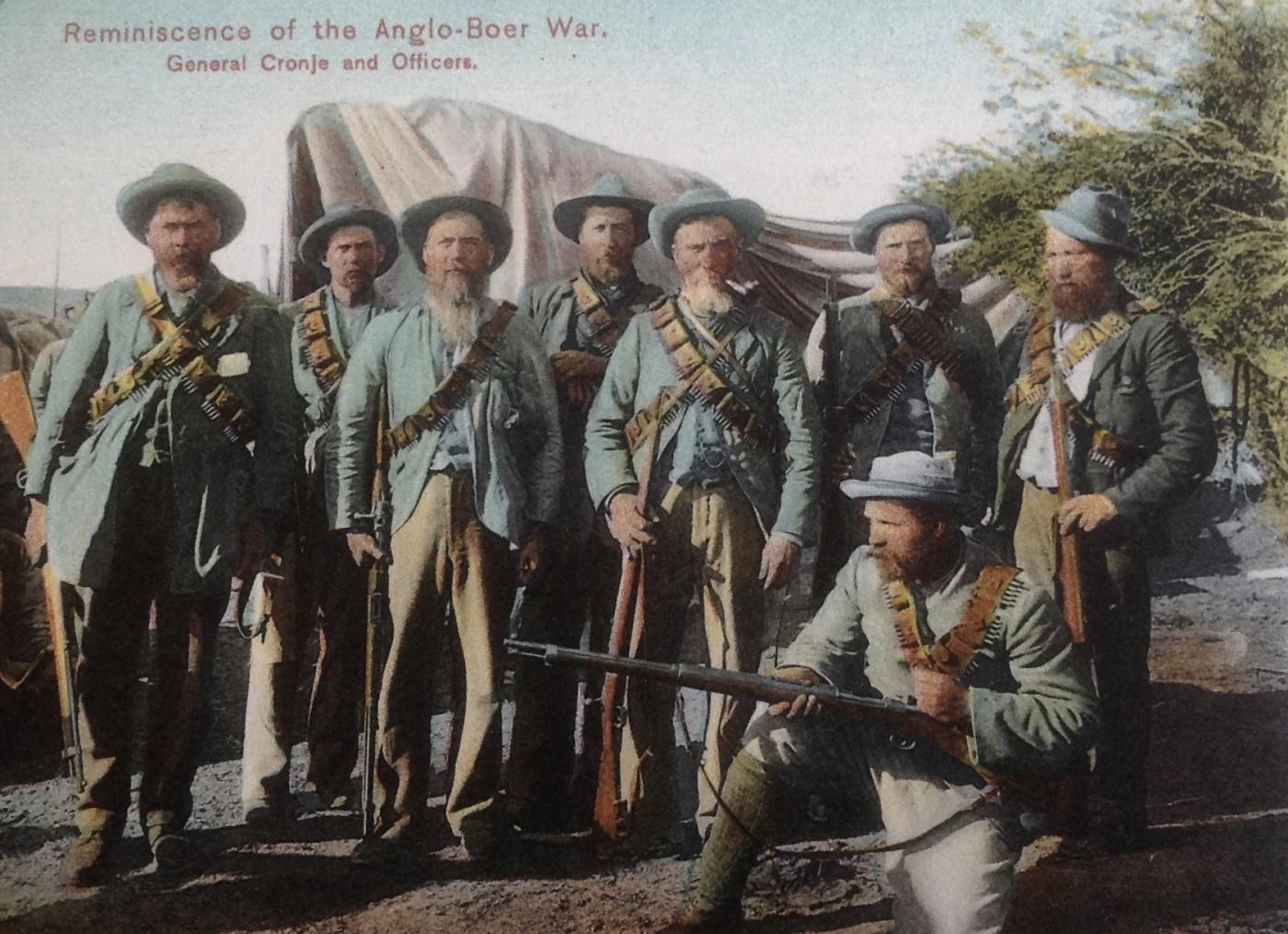
Hand-coloured Anglo-Boer war picture postcard showing General Cronje and Officers
What distinguishes Hardijzer's approach is his awareness of the ethical dimensions inherent in historical photographic research. His article on the legal status of historical photographs in South Africa addresses questions of copyright, attribution, and the rights of descendants—issues that frequently complicate the circulation of archival imagery. Similarly, his work on interpreting historical photographs provides readers with a critical framework for understanding the constructed nature of these images, cautioning against treating them as neutral documentary evidence. This is particularly important in his examinations of colonial-era photography, where he navigates the tension between preserving visual records and acknowledging the power dynamics that shaped their creation. His articles on postmortem photography and asylum photography demonstrate a similar sensitivity, treating subjects with dignity while contextualising practices that contemporary audiences might find unsettling. This reflexive approach extends to his methodology: Hardijzer frequently documents the process of discovery itself, detailing how a single Cabinet Card can generate multiple lines of inquiry, or how cross-referencing census records, passenger manifests, and newspaper advertisements can transform an anonymous studio portrait into a biographical narrative. By making his research process visible, he provides a model for amateur historians and collectors who encounter similar materials.
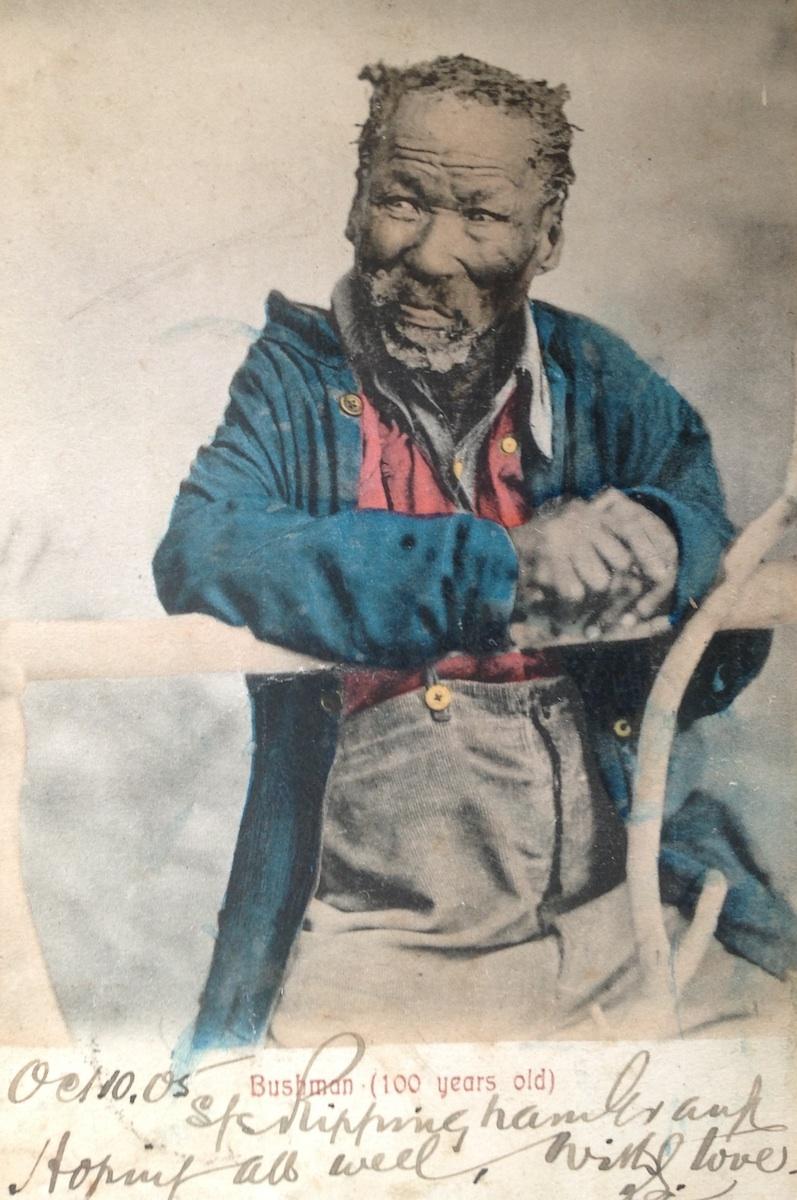
Hand-coloured card posted to New Zealand in 1905
Beyond the major historical events, Hardijzer's articles frequently find value in the mundane and the peripheral. He has documented the history of South African facial hair, the architectural legacy of early Pretoria railway stations, and the ephemeral nature of beach photography during the 1930s.
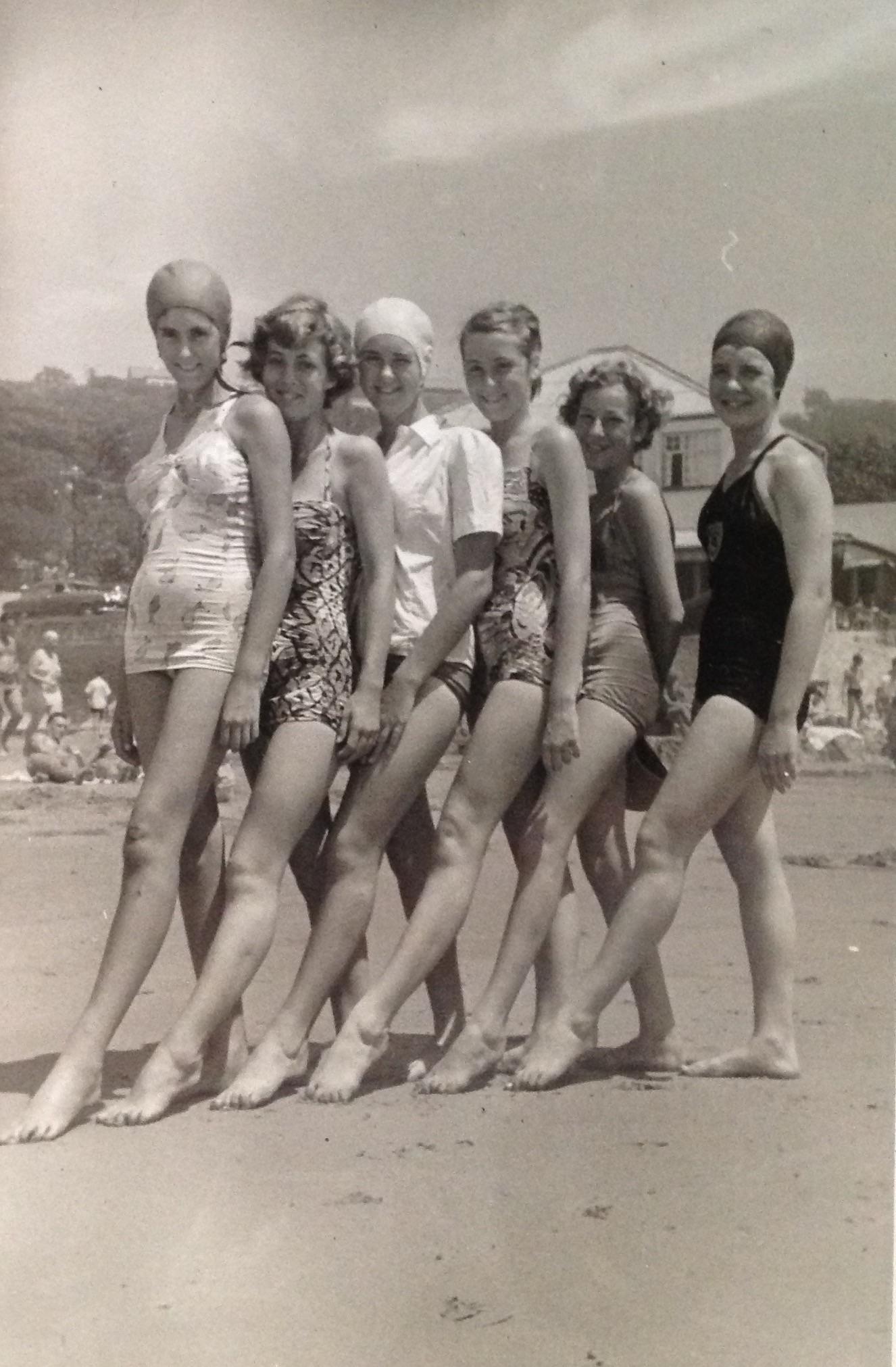
Photograph by Palm Studio in Margate in 1953
His work also pays close attention to the materiality of the photograph itself, dedicating space to the study of ornate wall-mounted frames, mourning jewellery, and the hand-coloring techniques that added a layer of personal artifice to early portraits. Through this sustained effort, he has not only expanded the directory of South African photographers but has also provided a framework for contemporary readers to understand how historical imagery continues to shape cultural identity and collective memory.
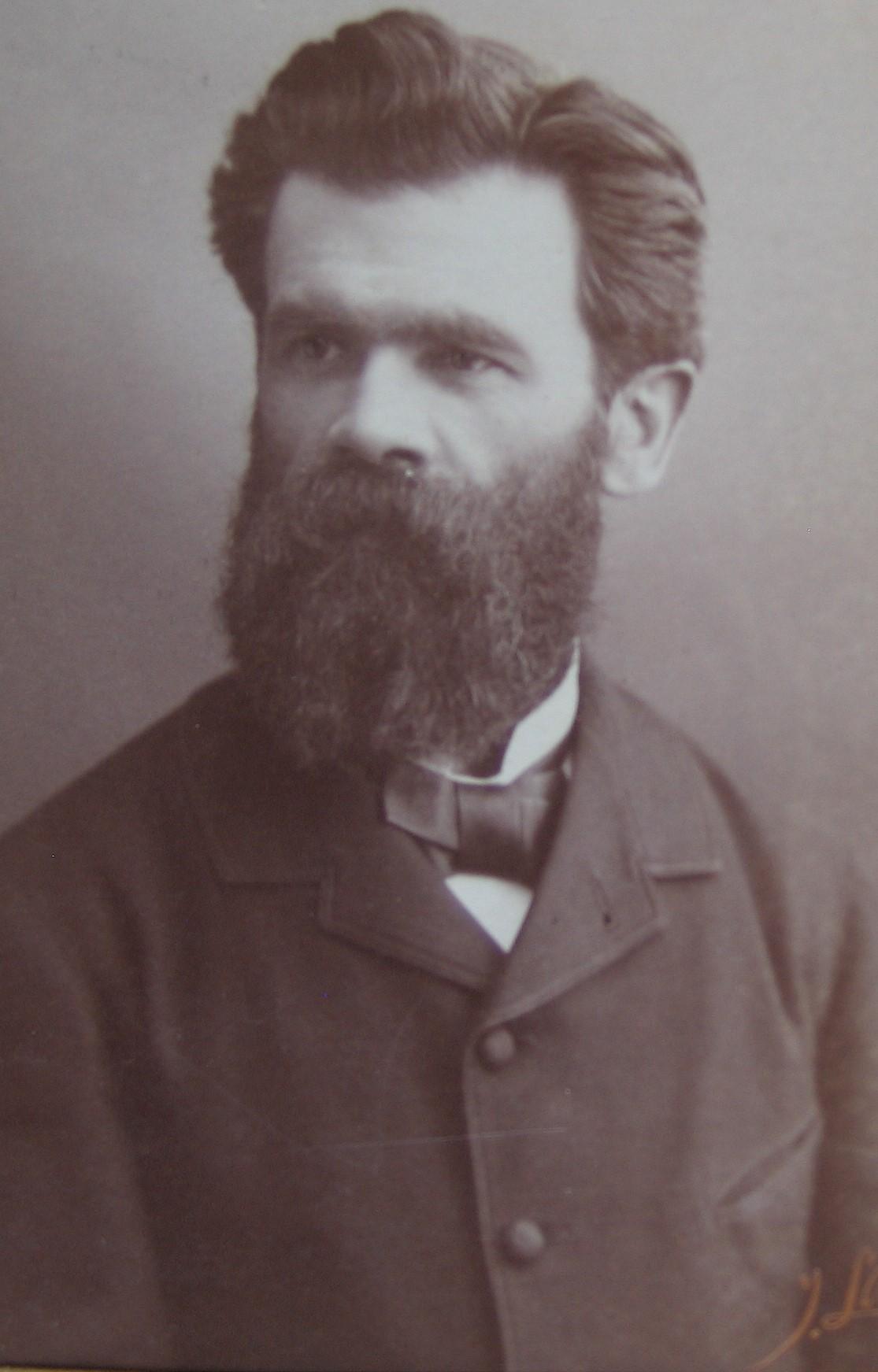
The pioneering photographer HF Gros appears in several Hardijzer articles
This collection stands as a vital resource for genealogists, historians, and anyone interested in the visual artifacts that define the South African past. Thank you Carol!
Click here to explore Carol Hardijzer's complete archive.
James Ball is the founder and editor of The Heritage Portal.