
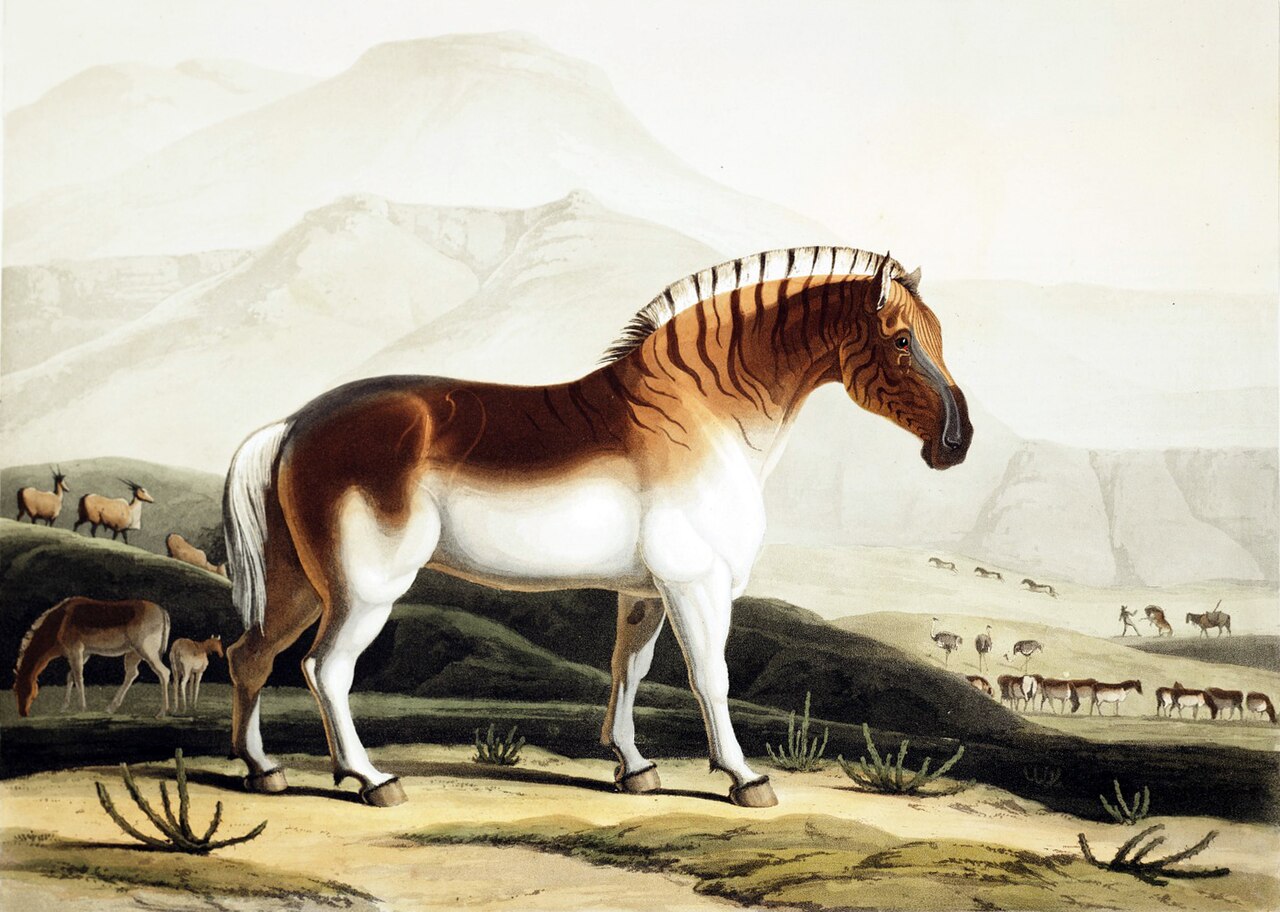
Michael Stevensonâs Samuel Daniell: A Life of an Artist in Southern Africa and Ceylon, 1799â1811 stands as a work of rare distinction: sumptuous in production, meticulous in scholarship, and deeply rewarding in intellectual substance. It is, without question, the most comprehensive and authoritative account of the life and art of Samuel Daniell, restoring to prominence a figure long overshadowed in the canon of Southern African exploration and visual documentation.
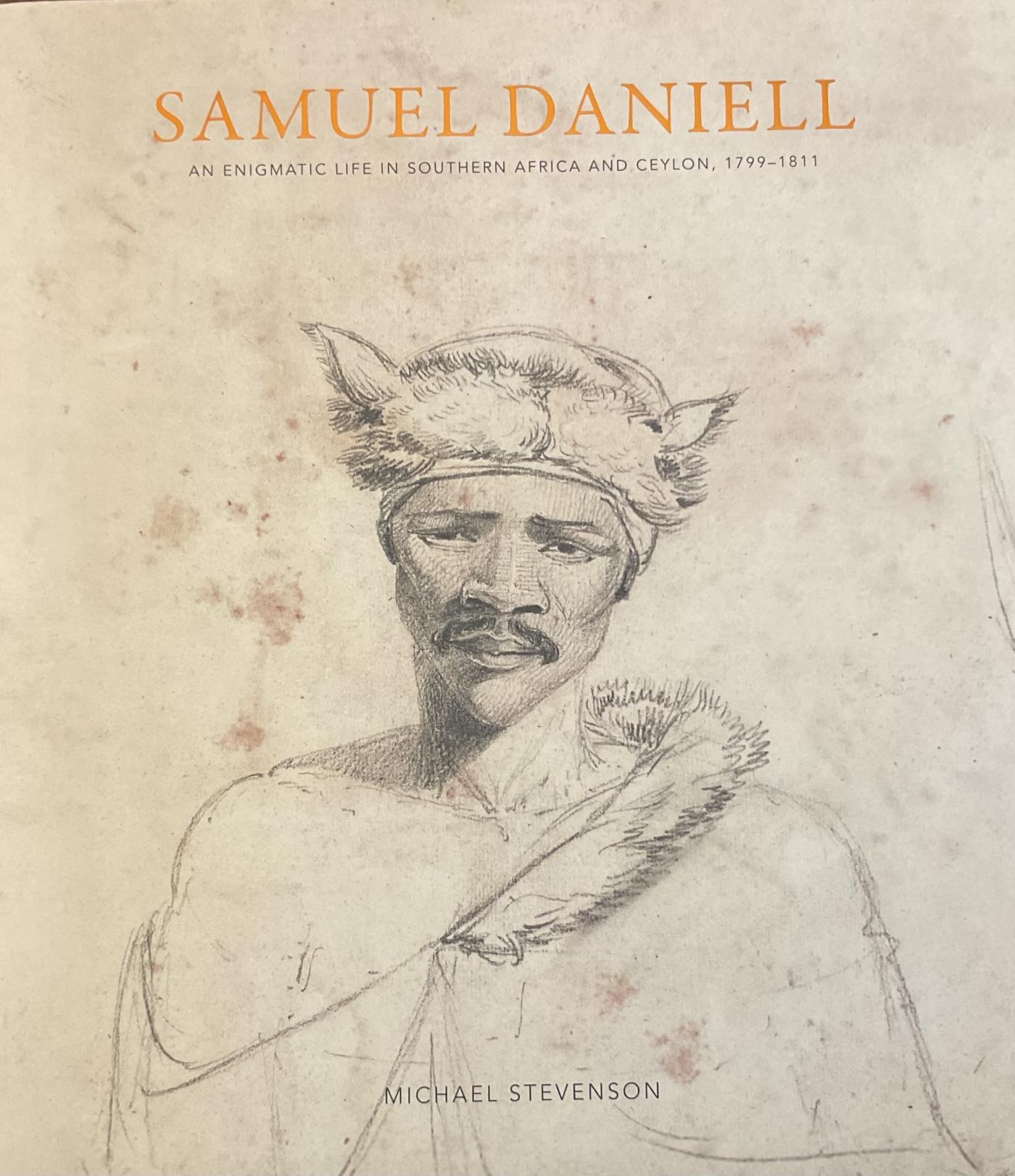
Book Cover
During his relatively short life, Daniell produced an astonishing body of workâwatercolours, sketches, drawings, and engravingsârecording landscapes, fauna, and, above all, the indigenous peoples of Southern Africa with a precision that approaches the documentary authority of early photography. Active at the Cape between 1799 and 1803, during the first British occupation, Daniell was appointed official artist on the TruterâSomerville expedition into the interior (1801â1802). Over the course of this arduous journey he created hundreds of sketches that remain among the most important visual records of frontier encounters in the early nineteenth century.

"Frying Locusts" (Samuel Daniell 1804 via Wikipedia)
Yet Daniell was persistently unlucky. William Somerville, the expeditionâs leader, failed to publish his official account, and when John Barrow later included the expedition narrative as an appendix to A Voyage to Cochinchina (1806), Daniellâs drawings were omitted. Only in 1979 did Edna and Frank Bradlow finally publish the Somerville narrative in full. Daniellâs rupture with Lady Anne Barnard, the influential first lady of Cape society and a chronicler of note in her own right, further diminished his standing at the Cape. His career was ultimately curtailed by his early death in Ceylon in 1811, at the age of just thirty-six, though his artistic output there was both prolific and integral to his achievement.
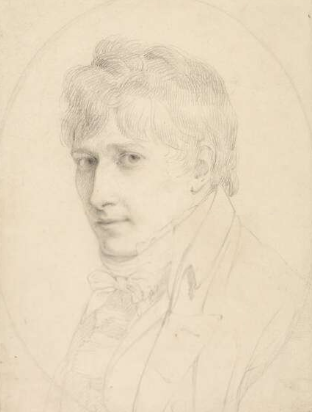
Portrait of Samuel Daniell (Wikipedia)
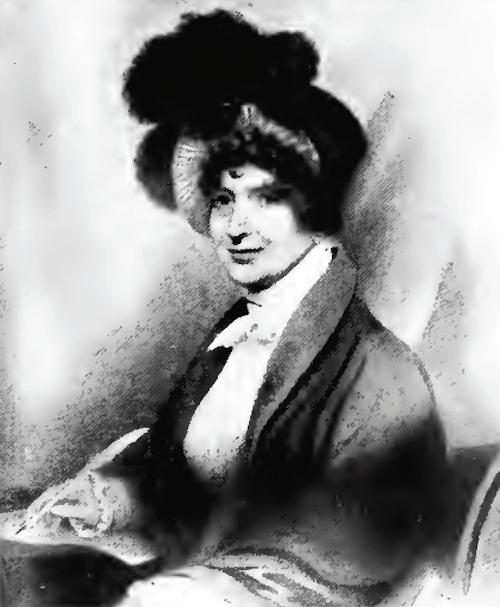
Lady Anne Barnard (Wikipedia)
Prior to Stevensonâs study, the principal biographical treatment of Daniell was the far more limited account found in Thomas Suttonâs 1954 collective biography of the Daniell family of colonial artists. Sutton devoted a single chapter to Samuel Daniell, summarising his Cape career, the scandal surrounding his falling out with Lady Anne Barnardâdrawing heavily on her 1801 letter to Lord Macartneyâhis travels with the TruterâSomerville expedition into Bechuanaland, and the enduring value of his sketches of local scenery and African animals. These imagesâgnu, springbok, hippopotamus, quagga (see main image)âformed the basis of African Scenery and Animals, eventually published as a set of thirty coloured aquatint plates after Daniellâs return to England. These prints, exhibited at the Royal Academy, are today among the most sought-after and valuable items of high-end Africana. Sutton concluded that of the three Daniell family members known as artists and printmakers, Samuel was the most inspired and original.
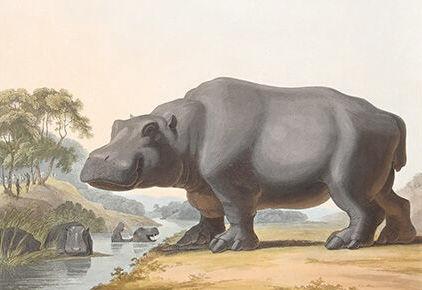
Daniell's sketch of a Hippo
Stevenson has now taken this earlier assessment and transformed it into something altogether more substantial. Drawing on decades of research, he provides the fullest and most nuanced account of Daniellâs life and work yet attempted. Daniell is placed firmly within the broader historical forces of the late eighteenth and early nineteenth centuriesâan era marked by European conflict, imperial expansion, and Enlightenment inquiry. Nigel Pennâs incisive contextual essay further enriches this framework, situating Daniellâs work within the complex dynamics of frontier society, colonial authority, and cross-cultural encounter.
Crucially, Stevenson encourages the reader to look beyond surface aesthetics. Daniellâs images, reproduced here to an exceptionally high standard by Jonathan Ball, must be read as layered historical documents. They reveal, often unintentionally, the early presence of social fissuresâclass, race, language, powerâthat would later define South African history. Daniellâs art thus operates simultaneously as record, interpretation, and artefact of empire.
This volume is both a superb collectible book and a serious, enduring biography. Through Stevensonâs scholarship, Daniellâonce marginalised by circumstance and misfortuneâis now fully and convincingly restored to his rightful place. The result is a treasure: visually magnificent, historically indispensable, and a landmark contribution to Southern African art history.
Kathy Munro is an Honorary Associate Professor in the School of Architecture and Planning at the University of the Witwatersrand. She enjoyed a long career as an academic and in management at Wits University. She trained as an economic historian. She is an enthusiastic book person and has built her own somewhat eclectic book collection over 40 years. Her interests cover Africana, Johannesburg history, history, art history, travel, business and banking histories. She researches and writes on historical architecture and heritage matters. She is a member of the Board of the Johannesburg Heritage Foundation and is a docent at the Wits Arts Museum. She is currently working on a couple of projects on Johannesburg architects and is researching South African architects, war cemeteries and memorials. Kathy is a member of the online book community the Library thing and recommends this cataloging website and worldwide network as a book lover's haven. She is also a previous Chairperson of HASA.