
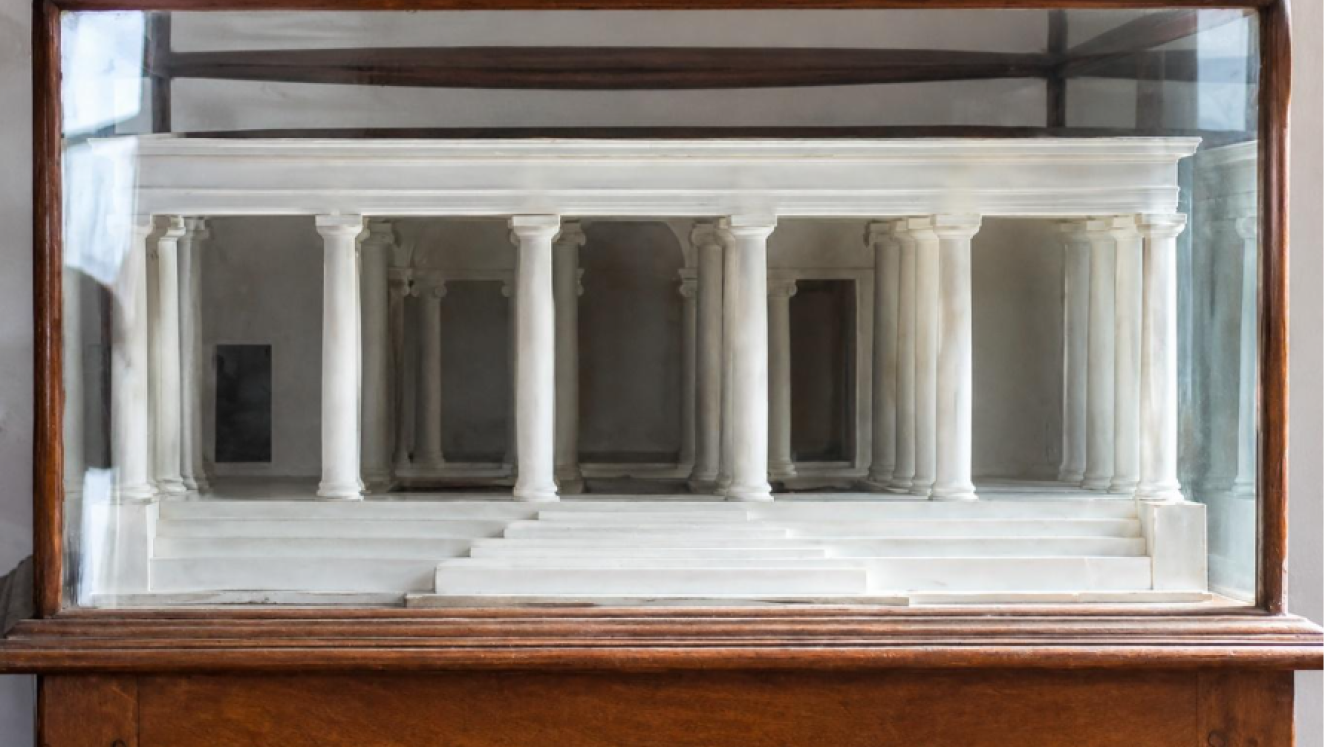
Historical research occasionally produces unexpected rewards. While I was preparing the article on 'The Unbuilt Kimberley Nymphaeum' article one of its central mysteries—the fate of Herbert Baker's architectural model of the proposed Kimberley nymphaeum—was unexpectedly resolved.
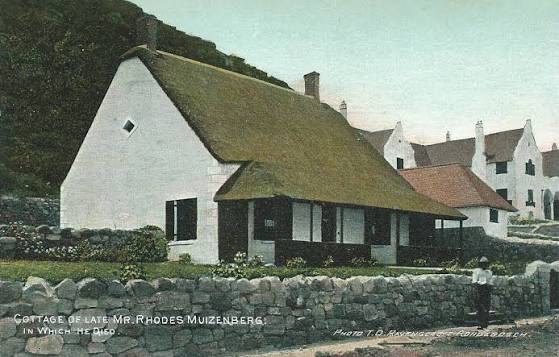
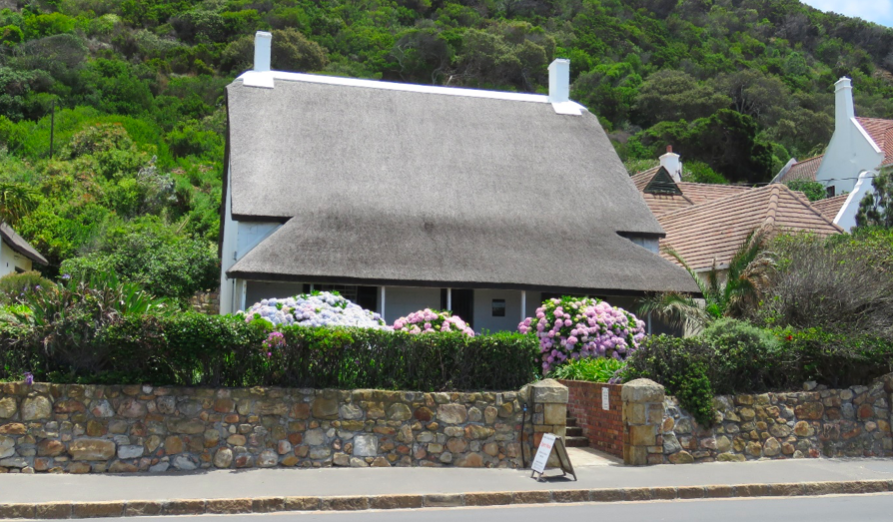
Following the publication of the article on the Memorial to the Honoured Dead on The Heritage Portal, architectural historian Tony Westby-Nunn contacted me with a tantalising recollection of a similar model at Rhodes Cottage in Muizenberg. Brett McDougall, Chair of the Muizenberg Heritage Association, immediately undertook a search, locating the model in the old coach house where it had quietly survived for well over a century (see main image). Although recognised as an old architectural model, its association with Herbert Baker and the Kimberley nymphaeum had long since been forgotten.
Measuring approximately 20 cm high, 60 cm long, and 60 cm wide, the surviving model strongly suggests that the colonnade once enclosed a central pool or basin. This creates a tranquil architectural setting consistent with Baker's surviving sketch and the classical tradition of the nymphaeum, where architecture exists to frame and celebrate water.
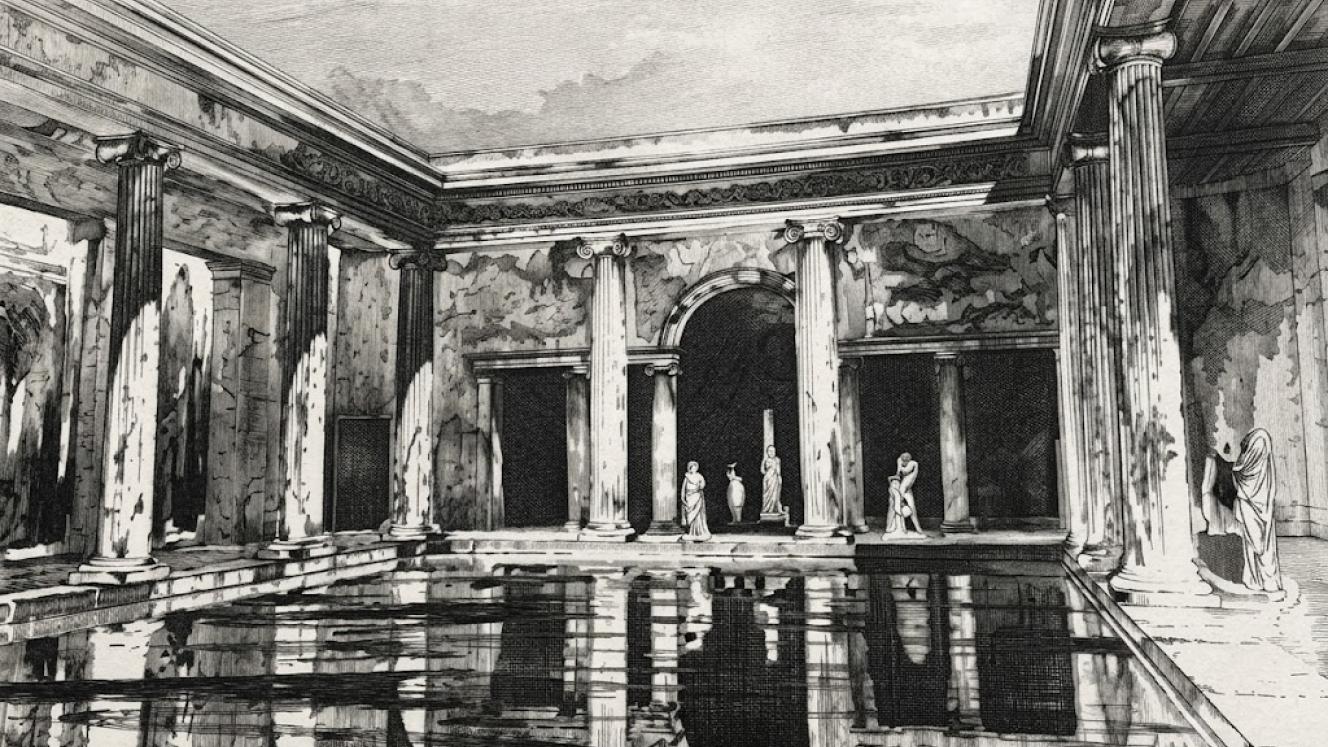
Provenance records show Francis Kendall noted the model in the Cape Town City Hall in 1925, though how it moved from there to Rhodes Cottage remains a mystery. Equally elusive are Baker's original drawings; despite searches of the Baker papers at the University of Cape Town by my grandson, Cayde, no trace of them has been found.
This discovery highlights that heritage research is a collaborative endeavour, depending upon informed memories, generous colleagues, and the willingness to follow leads. A model that had become an anonymous storage object has now recovered its identity and story.
Rhodes Cottage Museum is a fitting home for the model. Muizenberg was closely associated with Baker, who built his own holiday cottage there and designed several distinguished seaside houses. Although conceived for Kimberley's dry interior, the model now rests in a place intimately connected with both its architect and its client, Cecil John Rhodes.
For the first time in more than a century, the model allows us to appreciate the ambition of Rhodes's proposal and Baker's elegant response. Yet, it also reinforces the practical objections that prevented its construction: a monumental water temple in drought-prone Kimberley would have demanded unsustainable water supplies and maintenance, as Roger Fisher has observed.
With hindsight, the Memorial to the Honoured Dead remains the more appropriate response to the tragedy of the Siege of Kimberley. Its robust sandstone architecture possesses the solemnity, permanence, and symbolic gravity expected of a war memorial, whereas the nymphaeum celebrated life and civic benefaction.
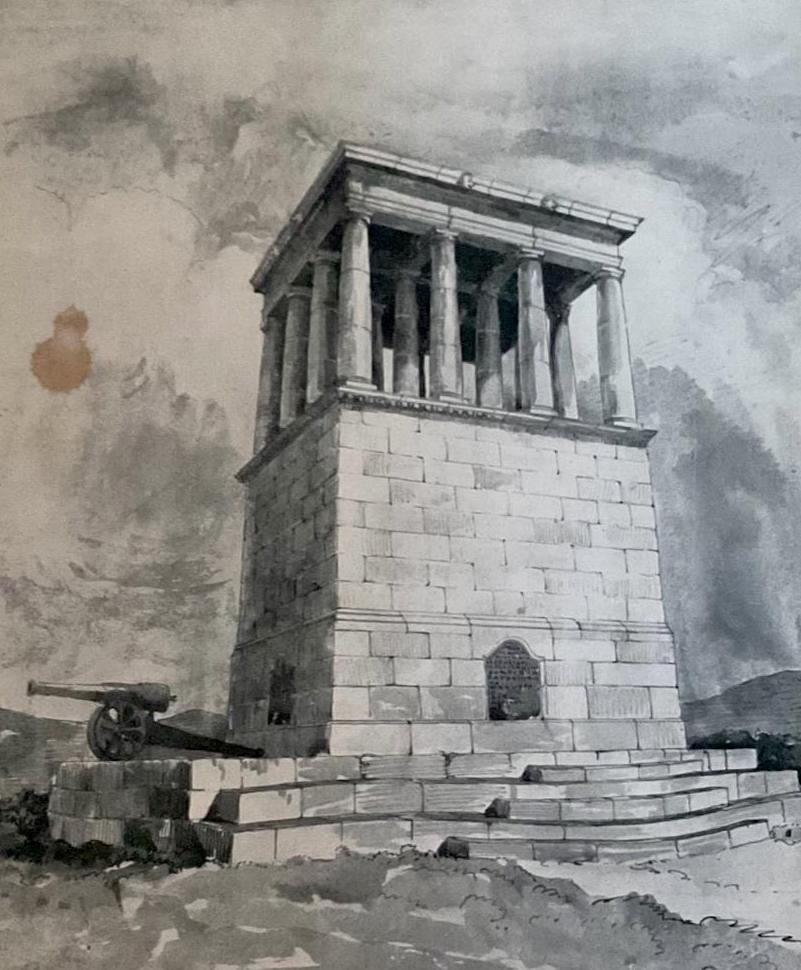
This rediscovery has already generated renewed scholarly interest. I have been invited to participate in a Herbert Baker symposium in Muizenberg later this year, where the nymphaeum will form part of the discussion.
Ultimately, the value of the nymphaeum lies not in regretting that it was never built, but in understanding what its rejection reveals. It remains an enthralling historical "might-have-been"—a beautifully conceived project whose rediscovery gives tangible form to an alternative vision of Kimberley, while confirming the wisdom of the choice ultimately made.
Acknowledgements: Tony Westby Nunn, Brett McDougall, Cayde Bricknell. Photograph of model Brett McDougall.
Kathy Munro is an Honorary Associate Professor in the School of Architecture and Planning at the University of the Witwatersrand. She enjoyed a long career as an academic and in management at Wits University. She trained as an economic historian. She is an enthusiastic book person and has built her own somewhat eclectic book collection over 40 years. Her interests cover Africana, Johannesburg history, history, art history, travel, business and banking histories. She researches and writes on historical architecture and heritage matters. She is a member of the Board of the Johannesburg Heritage Foundation and is a docent at the Wits Arts Museum. She is currently working on a couple of projects on Johannesburg architects and is researching South African architects, war cemeteries and memorials. Kathy is a member of the online book community the Library thing and recommends this cataloging website and worldwide network as a book lover's haven. She is also a previous Chairperson of HASA.