
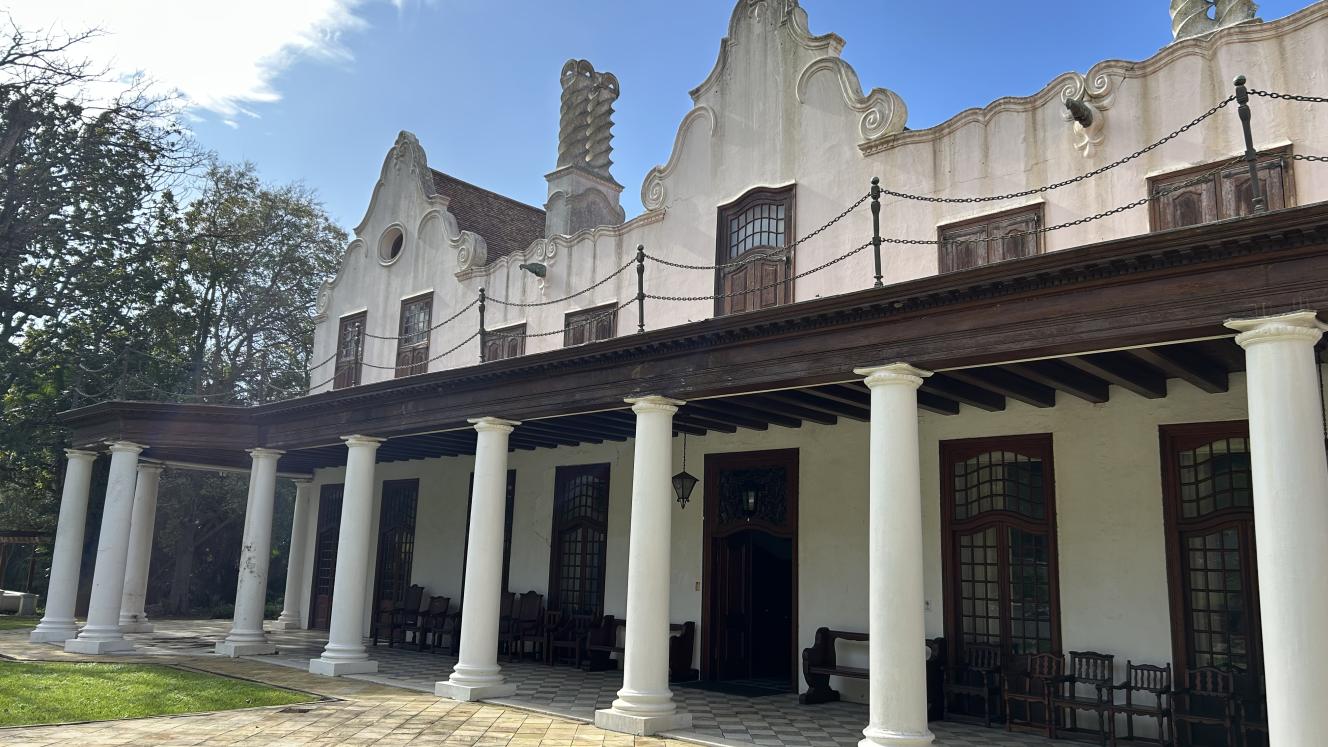
On the 14th of April this year, I attended the Repatriation Handover Ceremony at the Iziko South African Museum. The purpose of the ceremony was to hand over the last Zimbabwe Bird, along with ancestral remains, to the people of Zimbabwe.
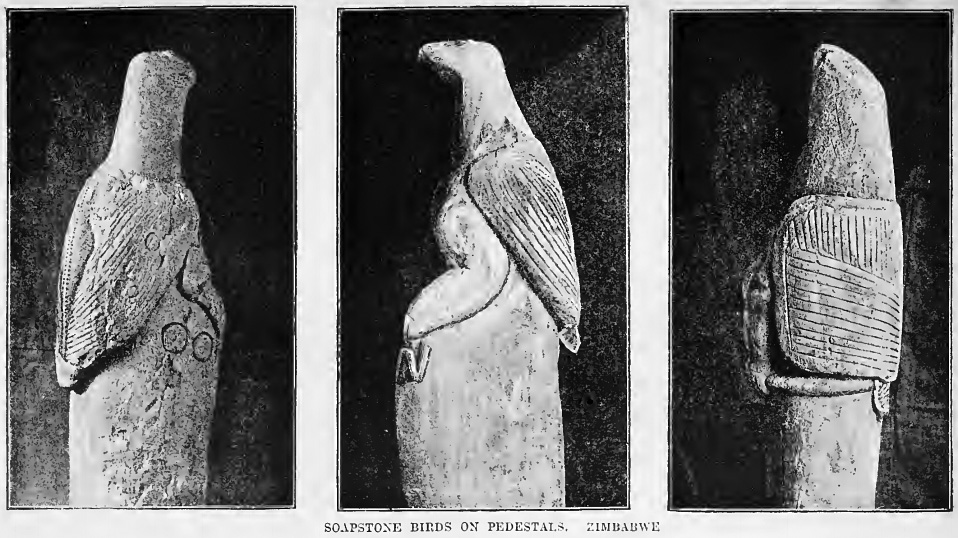
This return was prompted by an instruction from the President of South Africa. The media release from the Department of Sport, Arts and Culture stated that the Birds “were more than artefacts, but sacred symbols of a people, their spirituality, and their sovereignty”.
The media release went on to describe the return of the Zimbabwe Bird as a moment that represented “justice, memory, and healing”. “Its return represents far more than the movement of a historic object. It is a symbol of resilience, unity, and the long-overdue restoration of cultural justice”.
Almost exactly two years prior to that Repatriation Ceremony, I attended a site visit to the Groote Schuur Estate in Rondebosch, Cape Town. This was in May 2024. I spoke to the then curator, the late Rayda Becker. I saw the Zimbabwe Bird sitting atop a cupboard in one of the bedrooms of Cecil John Rhodes. The Bird was taken off the cupboard and placed on top of a small table in the centre of the bedroom. Other artefacts and objects collected during the life of Rhodes were taken out and placed on the table.The sheer presence that the Bird radiated throughout the room was undeniable.
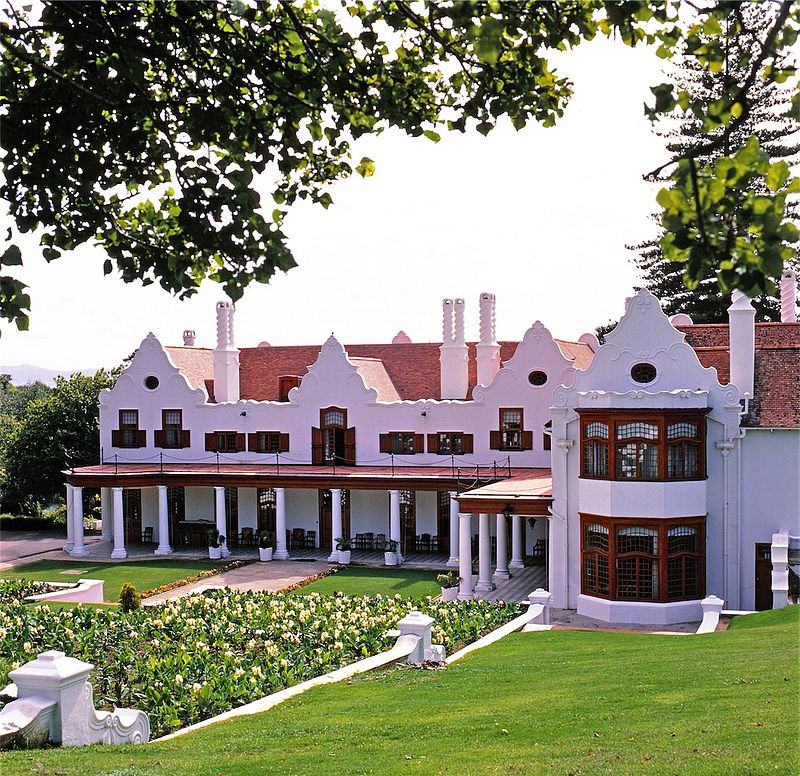
Fast forward to July 2026, I returned to the Groote Schuur Estate. This time there was no Zimbabwe Bird, as it had been returned to its rightful home in Zimbabwe. The presence of the Bird was no longer felt. Instead, in its place was an absence, an absence around which the rest of the collection now orbits.
Rhodes and His Relics
In her paper, Rhodes and His Relics, Becker states that removing the Zimbabwe Bird from the Groote Schuur Collection would “leave the collection without a central nexus and put the entire bequest, not only the relics, at risk”. I understand ‘nexus’, in this context, to mean a central or focal point. The Zimbabwe Bird was seen as the ‘prized piece’ linking all the objects that are part of the collection. This led me to ask a number of questions. What does the present hold for the Groote Schuur Collection? What will the future composition of the collection look like? Is it possible to work with absences and re-narrate what has been inherited and subsequently returned? Is it possible for the Groote Schuur Collection to move on from the Zimbabwe Bird?
These are the questions I want to explore. An exploration of these questions is necessary, especially in the current context of appraising what we have inherited from the past. It is important to remember that heritage has the ability to facilitate “healing and material and symbolic restitution”. Those are the words of the Preamble of the National Heritage Resources Act of 1999.
The Composition of the Groote Schuur Collection
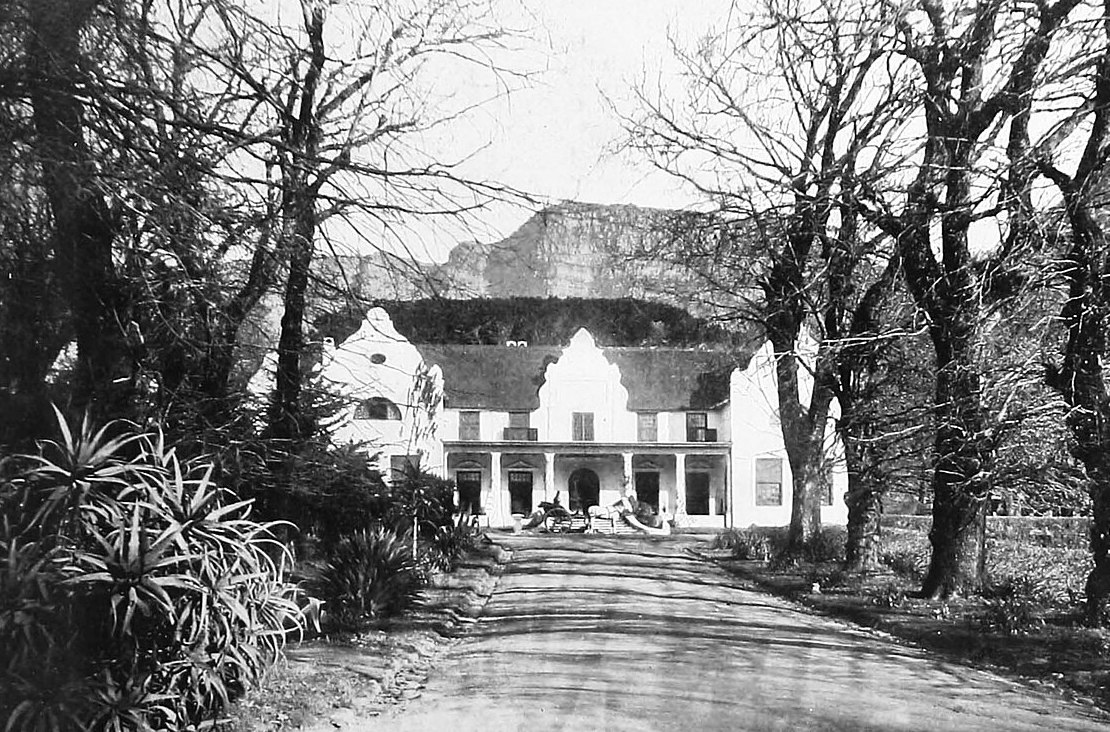
At this point it is necessary to provide a sketch of the current composition of the Groote Schuur Collection. The collection is essentially all the contents of the Groote Schuur manor house. These are objects that were mainly collected by Rhodes. This includes furniture, clocks, porcelain, ceramics, silver, brass and metal-ware, paintings, books, photographs, carpets, textiles and weapons. Upon his death these objects were bequeathed to the Government of South Africa. In terms of legal protections, the Groote Schuur manor house is a Provincial Heritage Site. The Groote Schuur Collection is a specifically declared collection and is protected under the National Heritage Resources Act. The manor house is located on a Presidential Estate in Rondebosch and is in a limbo state of not quite being a lived-in residence nor an accessible museum.
Furniture
Focusing specifically on the furniture. The collection contains furniture that are considered antique pieces from the Cape of local or Dutch manufacture. The collection contains “oriental ceramics, English cutlery, European and Cape silver, brass and copper, paktong cuspidors from Batavia (Java), four large Flemish tapestries dating to the late seventeenth century, Dutch clocks, carpets, photographs and a few artworks”.
Remarkable books
The Groote Schuur Collection also contains Rhodes’ Library. The Library has been described as containing remarkable books. These include translations into English of classical texts. Many are still the only versions available in English. The Classist, David Wardle of UCT, notes that the standard of these translations are generally high. The texts are important to students of ancient history and literature. Wardle goes on to argue that this library of translated works should be made available to a wider audience within South Africa. The volunteers currently working at the Groote Schuur Estate have recently compiled a detailed inventory of the entire Library. This inventory will eventually be uploaded onto the South African Heritage Resources Information System – SAHRIS.
Relics
Then we move to the more controversial and contested aspects of the collection. The collection contains a number of ‘relics’. These are diverse. Becker described the relics as more of “a random assemblage of objects than a collection… they range in style, age, mode of manufacture and function... Some are shards of pottery from China, engraved stone pieces…fragments of gold, crucibles, digging stones, a gaming board, …archaeological iron tools, two headrests and two wood bowls with lids… (and) items such as a European bell, a spur, a chain, a seal press and an elephant/tankard”.
The Zimbabwe Bird in the Collection
For many years there were debates around whether the South African Government should return the last remaining Bird to Zimbabwe. In my past discussions with curators and museum professionals and through the readings I had done, I became aware of a certain prevailing sentiment. The argument went as follows. The Zimbabwe Bird is culturally and historically significant to South Africa. It has been in South Africa for over 100 years. There are legal implications of returning the Bird. The Bird is South African heritage under law – Heritage with a capital H. Therefore, the removal of the Bird from the Groote Schuur Collection would place the integrity of the entire collection at risk. It would no longer be the complete collection that was bestowed upon us by Rhodes. As Rhodes did not want the pieces dispersed. These were the sentiments and feelings I noticed. Edward Matenga, in his PhD thesis The Soapstone Birds of Great Zimbabwe, describes this view as the mainstream academic position in South Africa regarding the collection. Matenga goes on to describe the argument that dismantling the collection is essentially a desecration of Rhodes’ legacy and a rewriting of history. I want to quote directly from his paper here:
“To remove one artefact from that collection is to undermine the integrity of the collection and the history, which it symbolises. This argument resonates with the materiality theory that requires us to trace the movement of objects through contexts and the concomitant shifts in meaning and that in that continuum, no meaning can be said to be more important or less important than the other”.
This is the argument that was used for many years to justify keeping the Bird in South Africa. There is a contradiction in this argument regarding the completeness and integrity of the Groote Schuur Collection. The integrity and completeness of the collection was at the very expense of the Zimbabwean people and the integrity and completeness of the sacred shrine of Great Zimbabwe.
To have placed this significant national symbol, a guardian spirit, within a collection and label it as the Groote Schuur Collection is to obfuscate, to make obscure, the original context from which the Bird was taken. It centres its meaning as being an object that was acquired by Rhodes as his personal property. This is an implicit violence. Words matter.
Possible futures for the Groote Schuur Collection
The Groote Schuur Collection has a very problematic past. But as a colleague recently told me, we are the administrators of a very problematic past. This is our inheritance. But what does the future hold for this collection?
As the Preamble of the NHRA states, our heritage:
“helps us to define our cultural identity and therefore lies at the heart of our spiritual well-being and has the power to build our nation. It has the potential to affirm our diverse cultures, and in so doing shape our national character. Our heritage celebrates our achievements and contributes to redressing past inequities”.
The Groote Schuur Collection needs to contribute to this vision if it is to remain relevant to South Africa going forward. Section 5(5) of the NHRA goes on to state that “Heritage resources contribute significantly to research, education and tourism and they must be developed and presented for these purposes in a way that ensures dignity and respect for cultural values”. The collection can contribute to these ideals and goals. Currently, the collection is being conserved and managed by a group of dedicated volunteers and a single curator. There is certainly a need for the collection to be looked after by a structured staff complement with a proper budget. I am aware that proposals have been submitted to the relevant Government Department to request funding so that a formal staff structure is created. This will be necessary to ensure that the collection is preserved for future generations of South Africans.
Many of the material objects contained in the manor represent an early history of the Cape. Some of the furniture was created in the Cape. Rhodes and Herbert Baker did not physically build the manor house. The manor house was built by our ancestors. This collection will always be embroiled in the legacy of Rhodes. This is inescapable. It is not possible to write a history of the collection without acknowledging the spectre of Rhodes. It was the circumstances of settler colonialism and imperialism that produced the conditions under which this collection was comprised. We need to hold onto that discomfort. We need to hold onto that trouble. Difficult histories need to remain difficult histories and cannot be sanitised or resolved in a quaint fashion. Only now have we begun to address the injustices of the past, as it concerns heritage objects and cultural belongings. There is still a long journey ahead of us. We should not jump, prematurely, to discussions around healing and resolutions. This approach is based on the concept of ‘reparative discomfort’. It means “a willingness to remain with histories that continue to demand accountability and imagination”.
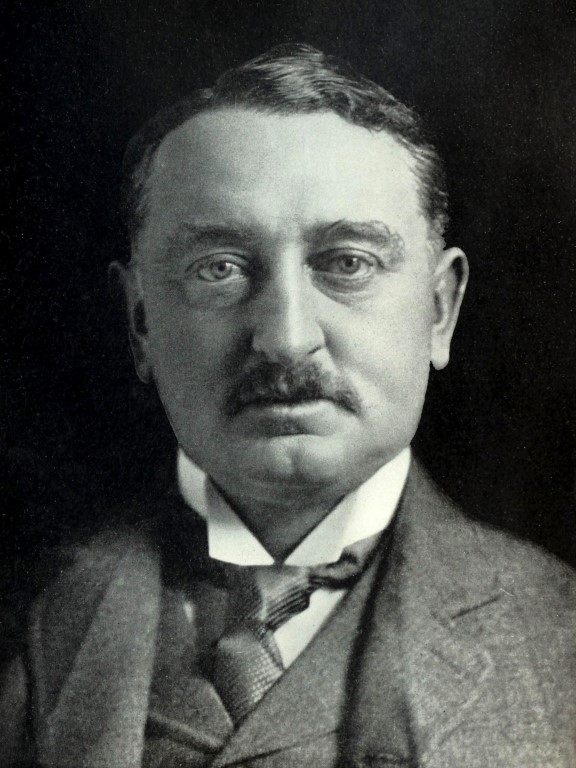
I want to suggest that the Groote Schuur Collection can move on from the Zimbabwe Bird. There is a future for the collection in a post-apartheid South Africa. But in order for this collection to remain relevant it needs to be made more publicly accessible. Currently, access to the collection is probably more strictly controlled than ever before. It is a specifically declared collection of national significance. The collection can no longer remain tucked away on the slopes of Table Mountain. Through adequate funding, through the renovation of the manor itself, through digitisation projects, and through the establishment of a formal staff structure I believe that this collection could contribute to many diverse areas of research. Whether that be research into the so-called ‘relics’, or research into the history of the material composition of the furniture, or research into the library materials, or research into what the manor house and the collection symbolises. There are no quaint resolutions or answers for what this collection represents. Those discomforts need to remain present. This is how the collection will remain relevant in the years to come.
Conclusion
In conclusion, we should not re-narrate this absence in the Groote Schuur Collection. We need to sit with that absence. We need to acknowledge that holding onto the Zimbabwe Bird was in direct conflict with the principles underlying the National Heritage Resources Act. Withholding the Bird from its home in Zimbabwe and from the people of Zimbabwe was an injustice. We need to sit with that discomfort. And perhaps there is a future in which the Groote Schuur Collection contributes to the aspirations and visions of a truly democratic South Africa.
Joshua Slingers is a Heritage Officer at the South African Heritage Resources Agency (SAHRA), operating within the organisation's Heritage Objects Unit. In his role, he is involved in the identification, regulation, and protection of South Africa's national estate, including significant cultural artefacts and declared collections.
Bibliography
- Becker, Rayda. "Rhodes and his relics." de arte 52, no. 1 (2017): 68-87.
- Boafo, Philip Kwame. “Museum As a Space for Healing? Towards Reparative Discomfort.” Museum As a Space for Healing? Towards Reparative Discomfort. - The Heritage Management Organization. 28 August 2026.
- Matenga, Edward. 2011. “The Soapstone Birds of Great Zimbabwe. Archaeological Heritage, Religion and Politics in Postcolonial Zimbabwe and the Return of Cultural Property.” Institutionen för arkeologi och antic historia. Studies in Global Archaeology 16. 258 pp. Uppsala. ISBN 978-91-506-2240-9.
- National Heritage Resource Act, 1999. Government Gazette, vol. 406, No. 19974, Cape Town, South Africa.
- Wardle, David. “The Rhodes Collection A National Asset.” Akroterion 38, no. 2 (1993): 86-91.