
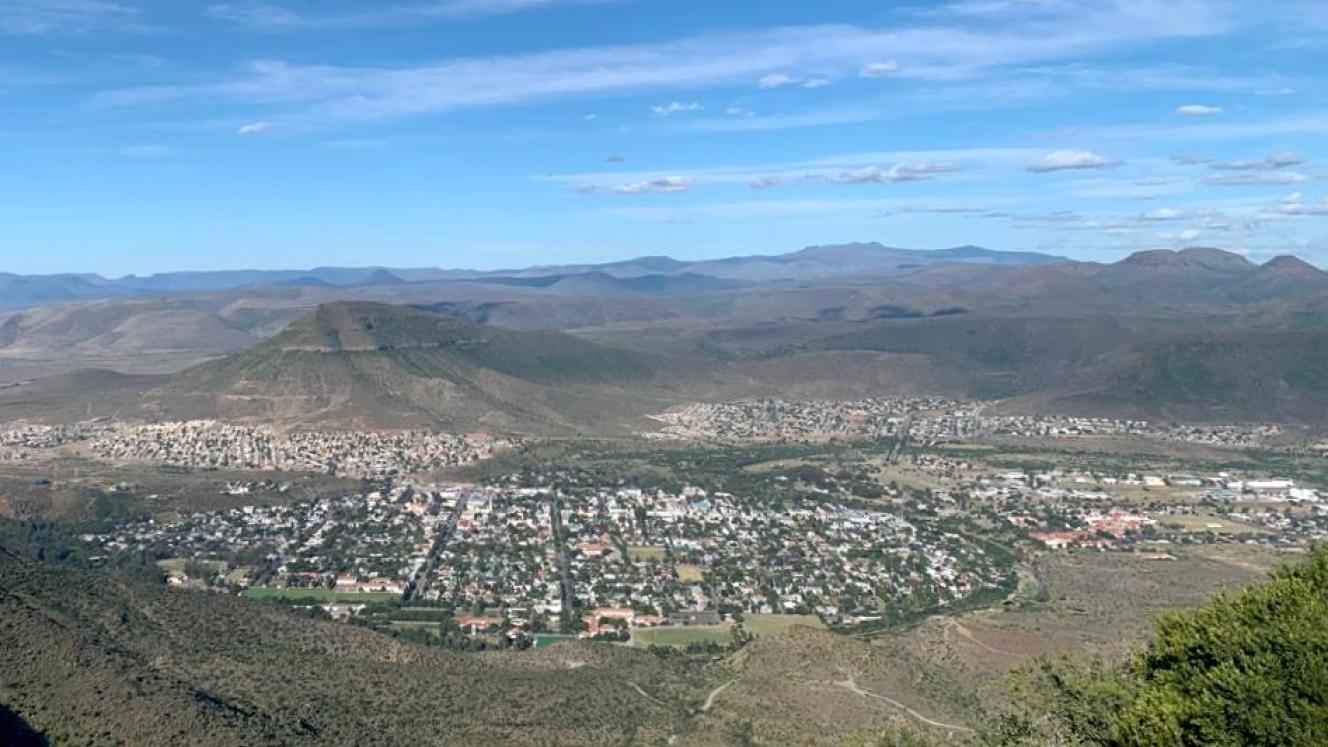
The 25th Annual Symposium of the Heritage Association of South Africa (HASA), held in Graaff-Reinet from 11–13 November 2026, provides an important opportunity to celebrate a significant milestone and reflect on where we have come from and where we should go from here.
Twenty-five years ago, HASA was established with a vision of bringing people and organisations together around a common commitment to South Africa’s heritage. Twenty-five years later, that vision has developed into a national network of more than 50 organisations and more than a thousand members. This represents a generation of commitment, perseverance and voluntary service.
Since its establishment in 2001, emerging from the heritage tradition of the Simon van der Stel Foundation, HASA has grown from modest beginnings into a national umbrella organisation. This achievement belongs to all those individuals and organisations who have contributed to HASA over the past quarter of a century. The annual symposium has been central to this development, providing a national platform where historians, researchers, conservationists, architects, museum professionals, academics and volunteers meet, exchange knowledge and share experiences.
The work is far from finished. While we can celebrate our progress, much remains to be done. South Africa possesses an extraordinary and diverse heritage, including historic buildings, landscapes, cemeteries, archaeological sites, industrial heritage, archives, traditional knowledge and community memories. Much of this remains poorly documented or insufficiently protected.
The next 25 years must therefore not only preserve what has already been identified, but also find what has not yet been found, record what has not yet been recorded, and give a voice to heritage outside the mainstream conversation. Our ambition should be that no meaningful part of South Africa’s heritage is considered too small, too remote or too ordinary to deserve attention.
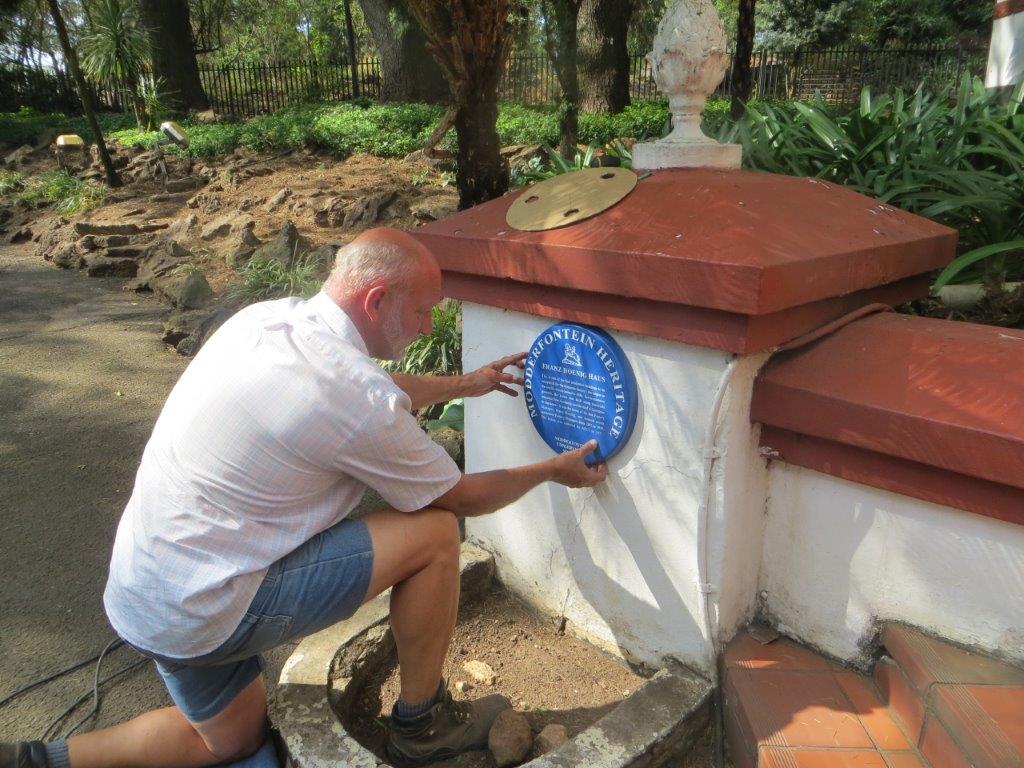
HASA’s strength lies in its position as an umbrella organisation. Our affiliated organisations understand their own communities and local heritage; HASA can connect these efforts and create a national network through which knowledge, experience and expertise are shared. HASA should focus on connecting heritage organisations, sharing conservation knowledge, supporting research and smaller organisations, encouraging young people, embracing modern technology, documenting under-recorded heritage, and strengthening relationships with universities, museums, government and the private sector. Our objective is not to replace or control our associated organisations, but to connect them, strengthen them and provide a platform from which their collective experience can become more influential.
Heritage does not stop at national borders. Organisations throughout the world face many of the same challenges: protecting historic places, preserving archives and traditional knowledge, engaging younger generations and making heritage relevant in a rapidly changing world. HASA should therefore develop meaningful international partnerships based on mutual respect and mutual benefit. These could include exchanges of speakers, researchers and conservation experience; shared case studies; joint exhibitions and publications; seminars and exchanges involving young professionals and volunteers.
We should approach international cooperation not as seeking assistance, but as equal partners bringing knowledge, experience and opportunities to the table. South Africa has much to learn from the international heritage community, but the world also has much to learn from our experience of community-based heritage and conservation with limited resources.
Financial limitations should not determine the limits of our ambition. HASA’s greatest asset is its network of more than 50 organisations— an extraordinary reservoir of knowledge, experience and enthusiasm. Our international approach should therefore be based on exchange rather than dependence. Universities can contribute research capacity, museums can facilitate collection and exhibition exchanges, technology companies can support innovative documentation, and heritage practitioners can share methodologies across continents. Such cooperation can create considerable value without large financial commitments.
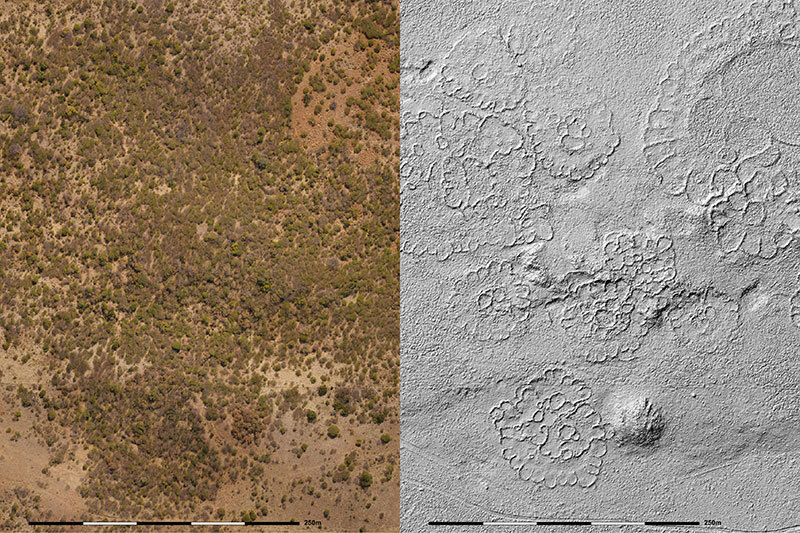
The next 25 years must also see HASA embracing technology more deliberately. Three-dimensional recording, LiDAR, photogrammetry, XRF, Raman spectroscopy, CT scanning, advanced imaging, GIS, digital archives and artificial intelligence are transforming how heritage can be documented, researched and interpreted. Technology, however, must serve heritage — not become an end in itself.
Equally important is the involvement of younger generations. Heritage cannot survive if it becomes the responsibility of only one generation. Young people must be encouraged to participate as researchers, conservators, historians, architects, technologists, storytellers, volunteers and future leaders. We must connect the experience and wisdom of those who have protected heritage for decades with the energy, ideas and technology of a new generation.
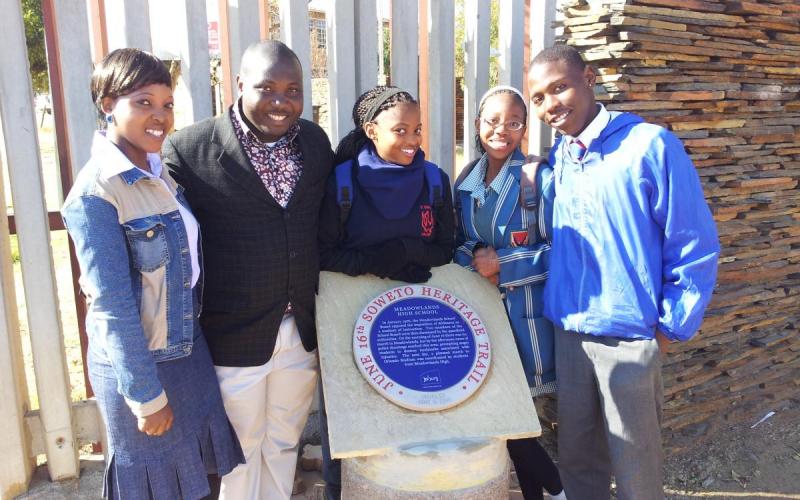
If the first 25 years of HASA were about establishing and connecting a national heritage network, the next 25 should be about strengthening, expanding and internationalising that network. I believe the HASA of 2051 should be national in its reach, international in its relationships, modern in its methods, responsible in its governance, open in its cooperation, and ambitious in its protection of heritage. The first 25 years built the foundation. The next 25 years must build the bridge — from local to national, from national to international, from traditional practice to new technology, and from one generation of heritage custodians to the next.
The responsibility now rests with us to decide what we will do with that legacy. That, in my view, is the road forward.
André Botha is the Chairman of the Heritage Association of South Africa