Perhaps you recall the 1980s advert, ‘Where did you have your first Campari? – in Benoni.’ That was well before Charlize Theron made Benoni famous.
Well, you do not have to be a taphophile (someone who takes an interest in cemeteries and tombstones) or require a taste for Campari to visit the Rynsoord Benoni Cemetery.
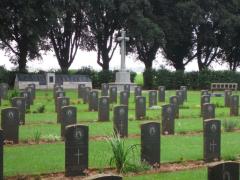
If you are interested in the 1913 Mineworkers Strike, the 1918 Spanish Influenza pandemic, the 1922 Rand Revolt, the Crimean War or even the Mapungubwe Heritage Site, then the Rynsoord Cemetery is for you.
This Cemetery, on Main Reef Road (R29) is still active, but its oldest precincts contain many interesting and historical graves, all relating to the above events.
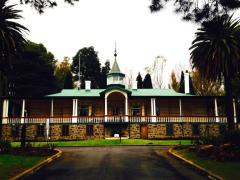
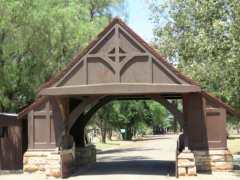
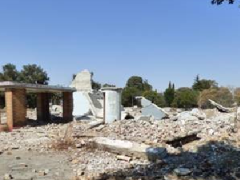
When you enter the cemetery driveway, travel towards the cemetery offices where the lych-gate is situated (main image). The lych-gate built in the Arts and Craft style is worthy of preservation. The lower walls are of dressed stone and the internal wooden trusses are most attractive. Originally, this structure probably served as a covered area to the burial ground where the coffin would have been placed on a pedestal prior to the burial service.
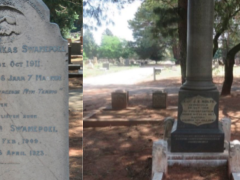
The older precincts (Wesleyan, English & Methodist and Dutch Reformed Sections 1 & 2) are situated west and south west of the lych-gate.
In the Wesleyan precinct, next to the covered parking lot for cemetery staff, is the grave of the very first internment in this cemetery, namely that of Norew Sunney, a Marine Engineer formerly of Doncaster England, who died on...