
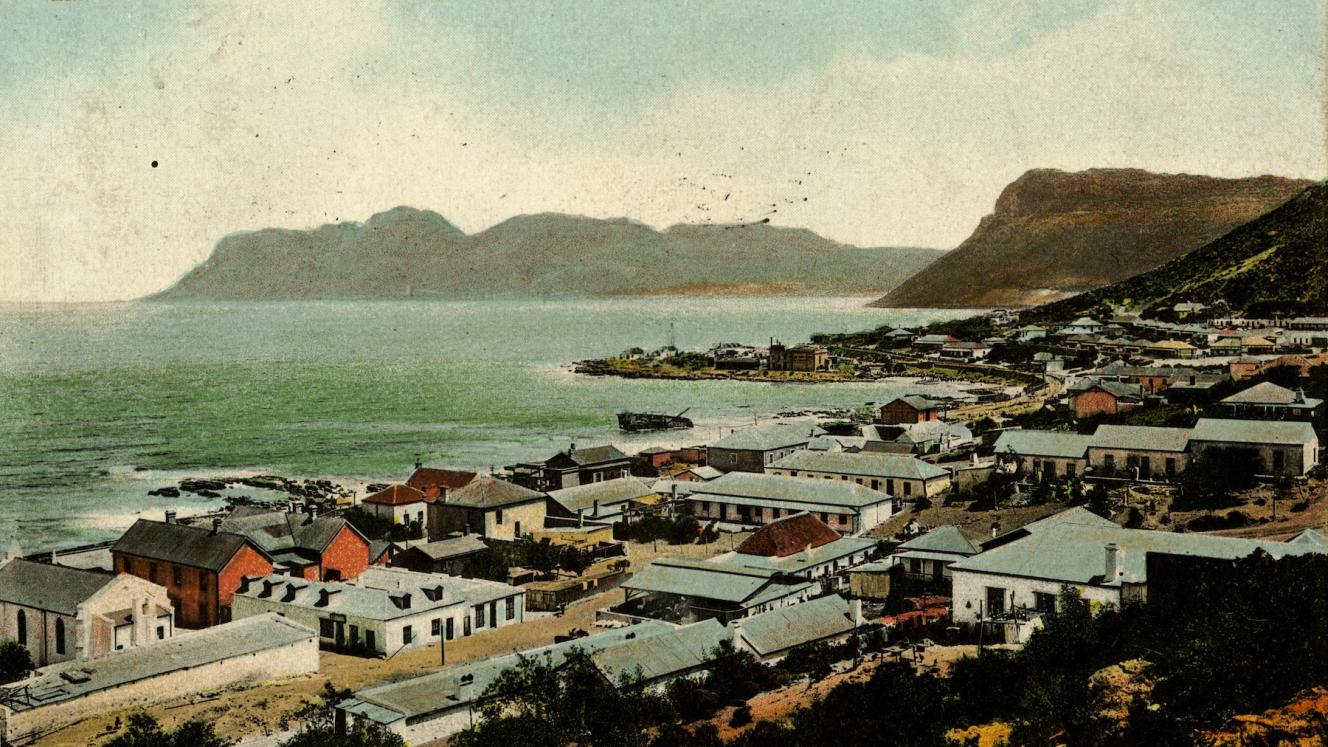
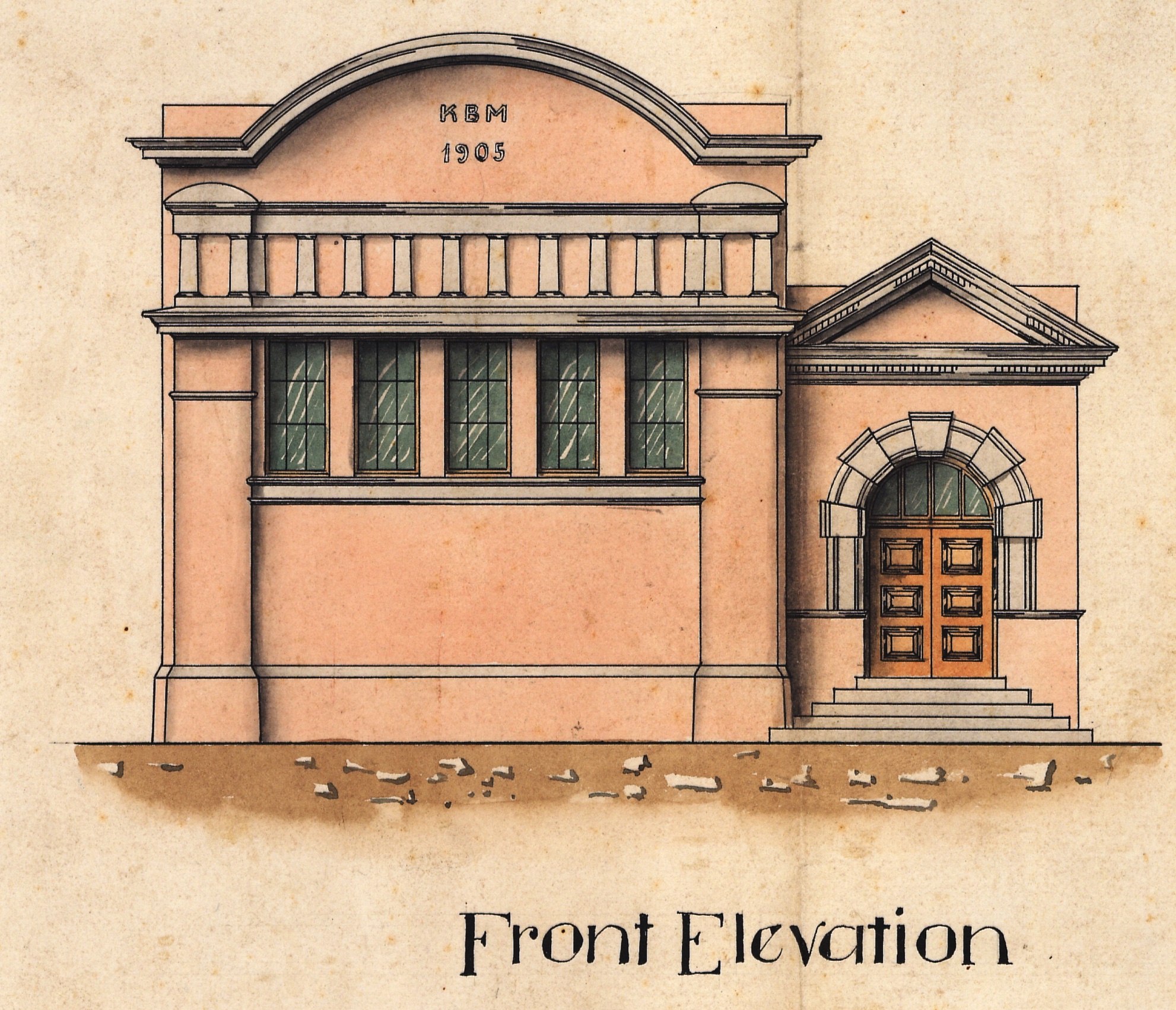
The event that precipitated the KBHA’s formation was the opening of the Kalk Bay Community Centre in 1994. This former 1906 sewage pump station, then wartime SAWAS Recreational Centre, and finally Kalk Bay Library, had been extensively altered and adapted to new uses through a City Council – Private Partnership. It provided meeting spaces, storage facilities, and display areas, and would be a ‘home’ for the KBHA and other local organisations.
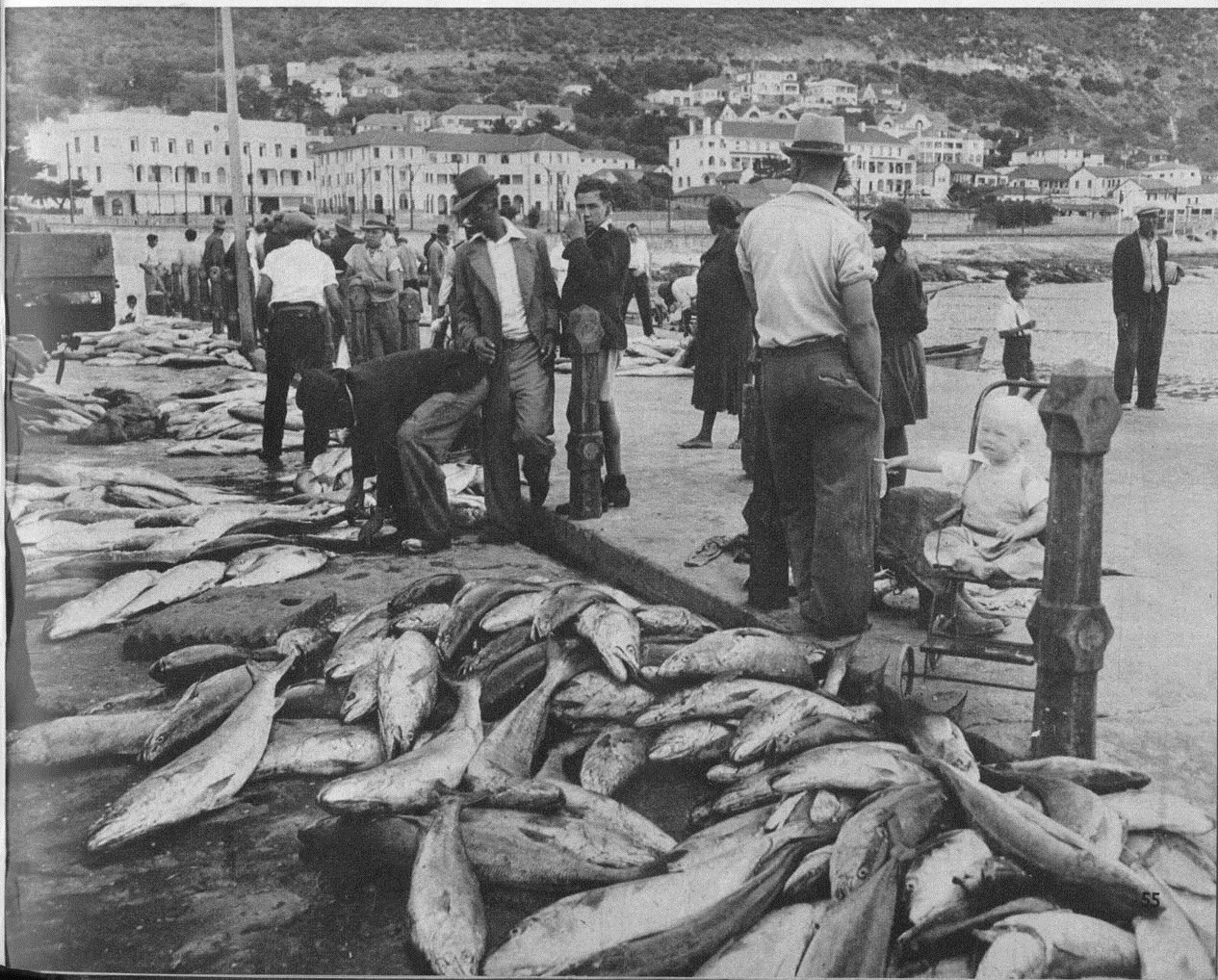
Soon after the opening of the Centre, and to test interest in the formation of a KBHA, a display of historic photos from the Malcolm Cobern Collection at Fish Hoek Museum was held over a long weekend. It drew over 400 people and many put down their names as potential members of a KBHA.
Local residents, the late John Moyle, Andy Smith and Barrie Gasson, were the listed co-founders of the KBHA.
The KBHA was launched formally in November 1995 and our first full year of operation was 1996. Guest Speaker was City Councillor and urban conservationist, the late Owen Kinahan. In his address he emphasised the importance of local organisations in the protection of the built heritage, noted the rich built and cultural heritage of the Kalk Bay area, and stressed the necessity for the KBHA to “show signs of life” in the years ahead.
What evidence is there of the KBHA’s “signs of life”? At the outset a decision was taken to hold regular talks on subjects of local history – ‘local’ being broadly defined to include the extent of the old Kalk Bay – Muizenberg Municipality 1895 – 1913, and the Cape Peninsula. But talks had to have some connections with Kalk Bay and unearth material that widened and deepened our understanding of ourselves. More than that, it was decided that the talks should be recorded and published in an annual Bulletin, and that the papers would be the most accurate and up to date available on a particular subject at that moment.
So far twenty-four Bulletins containing 93 papers have been published. Of these papers over 50 were given by committee members, 18 by local residents, and 17 by UCT academics. Sadly, some 30 of the speakers have since passed away. Then, single-handedly, long-time committee member Mike Walker, between 2001 and 2017, authored some 25 books and booklets. This is a prodigious achievement that required great dedication and persistence, and long hours in the Archives and National Library. What all of this adds up to is that the KBHA has become primarily a research organisation led by committee members with roots in the area extending back over 100 years, and who were, most importantly, good friends.
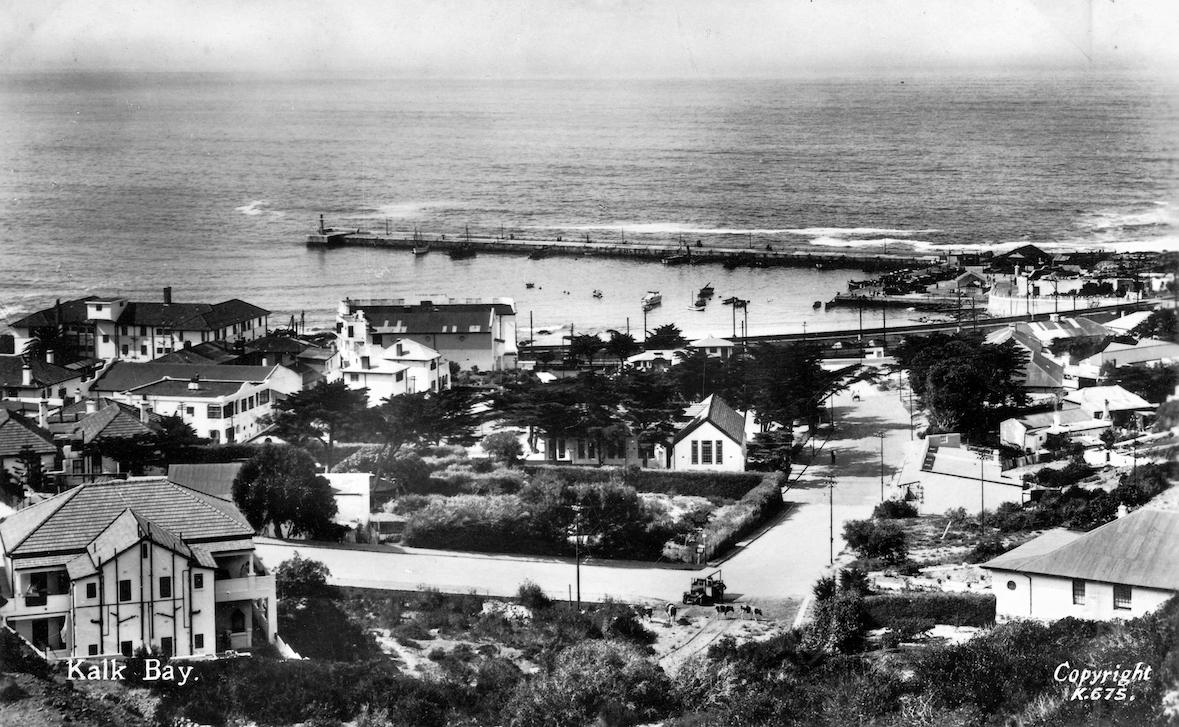
Keeping abreast of developments in new media, the KBHA website was set up and all 24 Bulletins can be read on-line there – see
https://www.kbha.co.za/.
The website also contains other material of interest and Steve Herbert regularly receives inquiries from people locally and internationally.
What lies ahead? Perhaps ‘more of the same’, or variations of it as the composition of the committee changes and new priorities suggest new directions. It will be important for the committee to have an open and flexible approach to future activities. Whatever may change, I do believe that recording, publishing and disseminating research should be a primary function.