
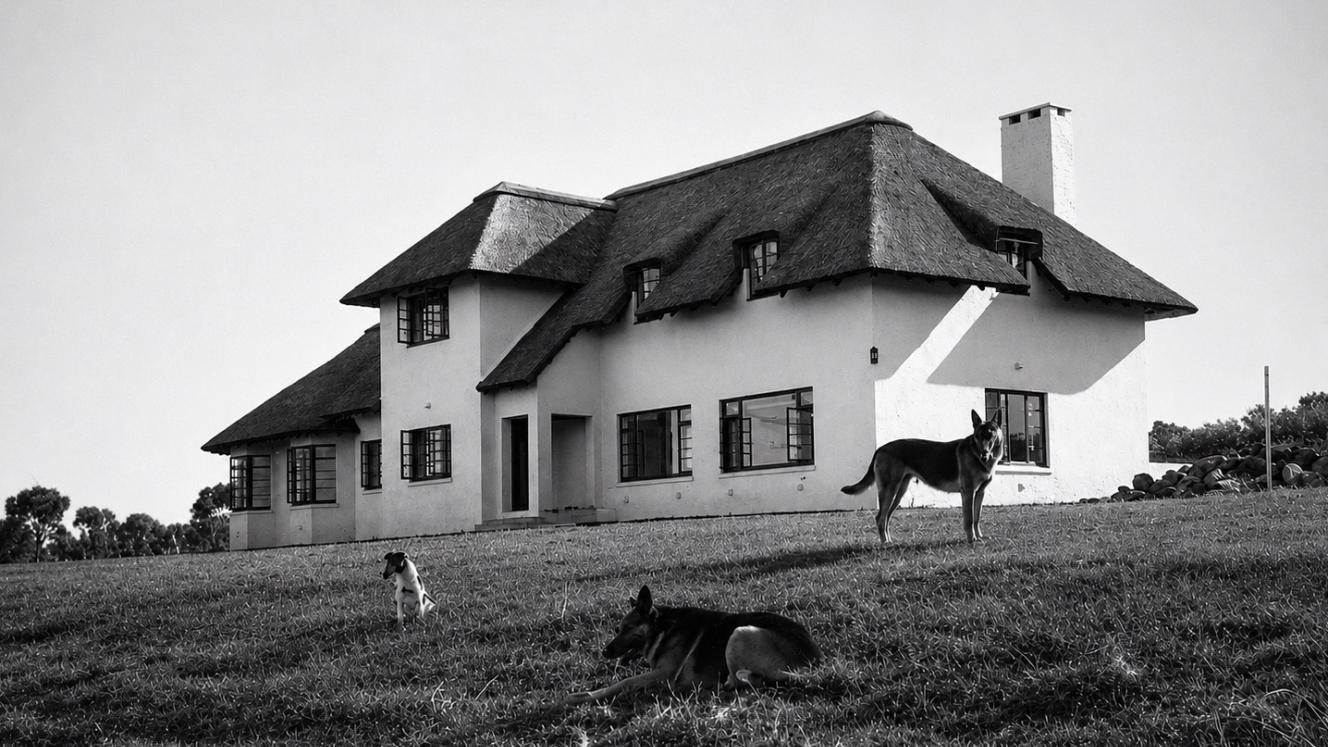
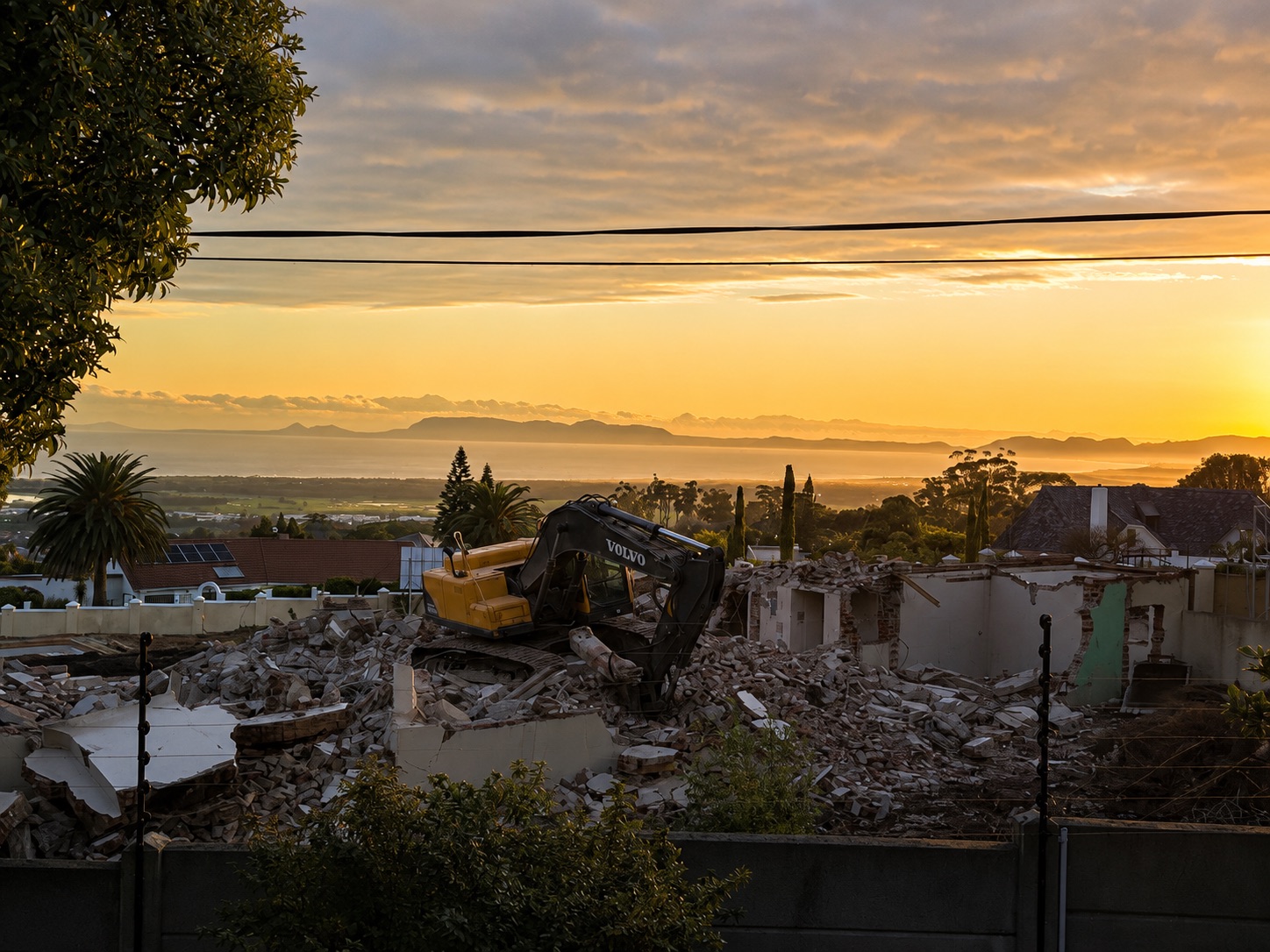
With the recent demolition of the Blue Waters Manor House in Somerset West, the town has lost more than an attractive old house. It has lost a tangible connection with its architectural and social history. While development and urban densification are both necessary and inevitable, the Blue Waters case raises important questions about how heritage significance is assessed, how competing interests are balanced, and whether opportunities to conserve heritage through thoughtful design are being missed.
This is not an argument against development. Nor is it suggested that every older building should be preserved. Rather, the Blue Waters case illustrates the difficult choices that heritage authorities increasingly face as development pressure intensifies within established suburbs. It also demonstrates the importance of transparent decision-making when the outcome is the irreversible loss of a heritage resource.
Blue Waters stood on Lewes Street for approximately eighty years. Although never formally declared a provincial or national heritage site (it was never graded by City of Cape Town), it was a well-known local landmark and formed an important part of the historic character of the neighbourhood. Its steeply pitched roofs, substantial chimney, timber-framed windows, broad verandas and carefully proportioned elevations gave it a distinctive architectural identity that many residents regarded as one of Somerset West's most attractive twentieth-century homes.
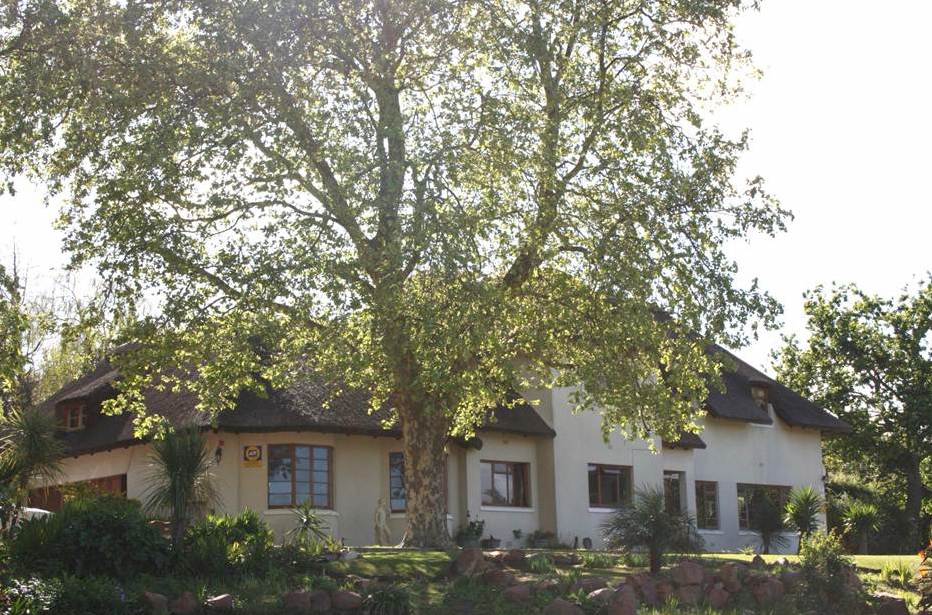
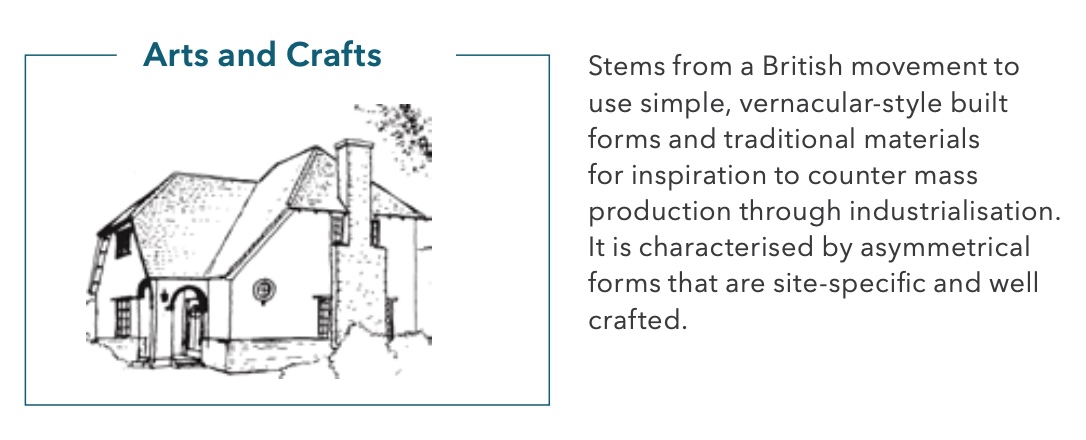
Throughout the heritage process, objectors argued that the house displayed many of the characteristics associated with the Arts and Crafts tradition as interpreted in South Africa. Interestingly, a comparison with examples illustrated in the City of Cape Town's own Heritage Design Guidelines reveals a striking similarity in architectural form and detailing. While those guidelines do not determine heritage significance, the comparison nevertheless raises an interesting question: how should buildings exhibiting recognised architectural characteristics be evaluated when their heritage value is under consideration?
Architecture, however, was only one aspect of the case.
Blue Waters also possessed an important historical association through its long connection with Mr Ray North and the internationally recognised Shalwan Arabian Stud. For many years, the property formed part of a chapter in South Africa's equestrian history that extended well beyond the town itself and continues to this day in Arabian bloodlines. Associational value has long been recognised as a legitimate component of heritage assessment, alongside architectural, historical and contextual significance.
Blue Waters was conceived as a substantial house set within an open landscape, with uninterrupted views across False Bay and the Hottentots Holland mountains. The building was designed as part of its landscape setting, not merely as an isolated architectural object. That contextual relationship forms part of its heritage value and is recognised in accepted heritage conservation principles.
During the heritage proceedings, the appellants argued that this associational significance had not been afforded sufficient weight. While the Provincial Minister ultimately reached a different conclusion, the case highlights the inherent difficulty of assessing intangible heritage values that are not immediately apparent from the physical fabric of a building.
The redevelopment proposal itself was never fundamentally opposed by the objectors. The principal concern was whether complete demolition represented the only realistic means of achieving redevelopment of the site.
Throughout the appeal process, it was argued that no meaningful consideration had been given to alternative layouts capable of retaining the existing house while accommodating substantial residential development elsewhere on the property. Such conservation-led approaches have become increasingly common internationally, recognising that adaptive reuse often provides a more balanced outcome than wholesale demolition.
Whether such an alternative would ultimately have proved economically viable is impossible to know. The point made by the objectors was that no detailed alternative was ever properly explored.
One of the more difficult aspects of the proceedings concerned the evidence before the decision-makers. The applicant relied upon a Heritage Impact Assessment (HIA) supporting demolition. During the course of the appeal, several respected heritage practitioners expressed reservations about the proposal in private discussions with members of the community. However, none ultimately agreed to place those views before Heritage Western Cape or the Provincial Minister in the form of an independent written expert opinion. While aware of this countervailing view, the authorities chose to not explore it.
The reasons why no countervailing professional opinion was produced remain unknown. Nevertheless, the absence of independent expert evidence meant that the official decision-makers were left with only one comprehensive specialist assessment before them. That inevitably shaped the evidential landscape within which the decisions were made.
The case also generated considerable debate regarding procedural fairness. Objectors raised concerns relating to aspects of the public participation process, the sequencing of decisions, the scope of the Heritage Impact Assessment and the treatment of public objections. These issues formed part of both the Heritage Western Cape appeal and the subsequent appeal to the Provincial Minister.
Ultimately, neither Heritage Western Cape nor the Minister considered those concerns sufficient to justify overturning the approval for demolition. From a legal perspective, the authorities were entitled to reach that conclusion. From the perspective of many participants, however, the process left lingering questions about whether every concern had been fully addressed before an irreversible decision was taken.
Perhaps the most important lesson from Blue Waters is that heritage conservation should not be viewed as being opposed to development. Around the world, successful projects increasingly demonstrate that historic buildings can often be incorporated into new developments through imaginative planning and sensitive architectural design. Such approaches preserve local identity while still accommodating growth and investment.
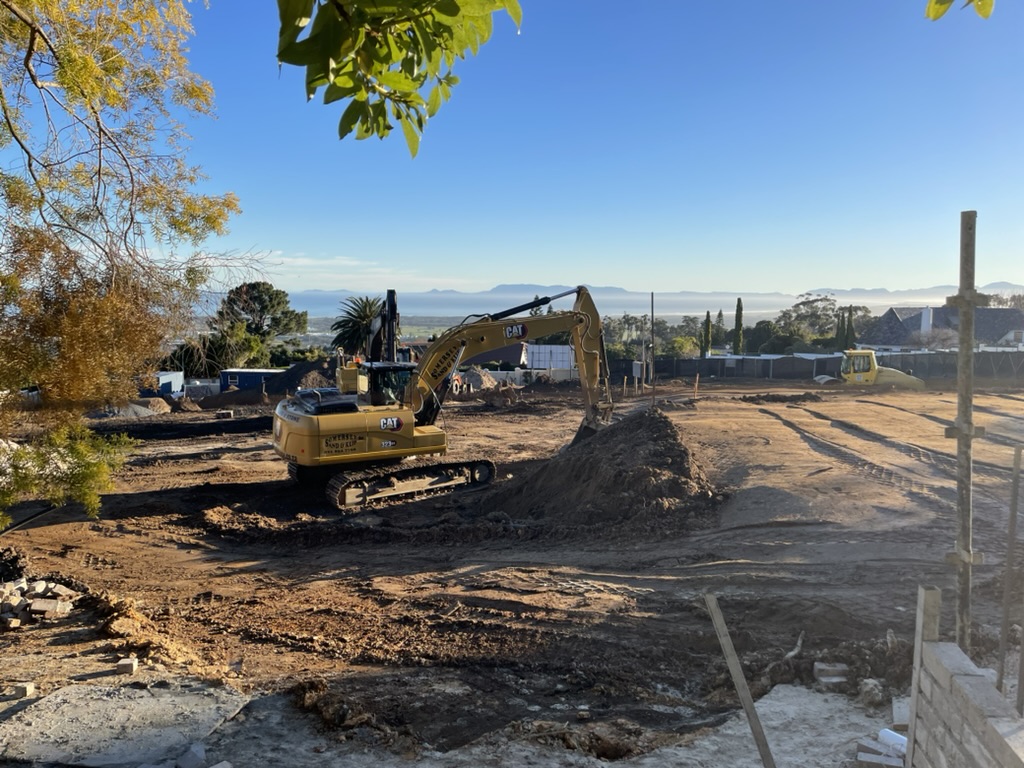
Whether Blue Waters could have been successfully incorporated into a redesigned scheme will now never be known. Its demolition has removed that possibility forever. While buildings can be constructed in months, heritage is accumulated over generations. By permitting the demolition of places such as Blue Waters, we diminish our stock of buildings from which future generations may one day draw their own sense of history and identity.
The loss of Blue Waters also highlights a broader challenge confronting heritage conservation in South Africa. Many buildings dating from the first half of the twentieth century occupy an uncertain position. They may not possess the exceptional significance associated with formally proclaimed heritage sites, yet they contribute enormously to the character, memory and identity of their communities. As redevelopment pressures increase, more of these buildings will face similar scrutiny.
Reasonable people may disagree about whether Blue Waters ultimately warranted preservation. Heritage decisions invariably involve balancing competing public interests, and there will seldom be universal agreement. Nevertheless, the case demonstrates the importance of ensuring that decisions involving irreversible heritage loss are supported by comprehensive evidence, transparent reasoning and careful consideration of all reasonable conservation alternatives.
Blue Waters has now disappeared from the Somerset West landscape. The new development that replaces it will, in time, become part of the town's continuing history. Yet the questions raised during its demolition remain relevant far beyond a single property. How should associational value be assessed? Should Heritage Impact Assessments routinely consider genuine conservation-led alternatives? How can heritage authorities strengthen public confidence in their decision-making processes? And how can communities ensure that the places which define their local identity are given the fullest possible consideration before they are lost forever?
Those questions deserve continued discussion. The story of Blue Waters may have ended with demolition, but the broader conversation about the future of South Africa's twentieth-century architectural heritage has only just begun.
Ultimately Blue Waters forces us to ask whether the gatekeepers of heritage conservation are becoming more effective at managing the process of loss, rather than preventing it. If so, valuable relics of our architectural past may be increasingly condemned, not by neglect but through decisions taken in the ordinary course of administration.